Article Summary
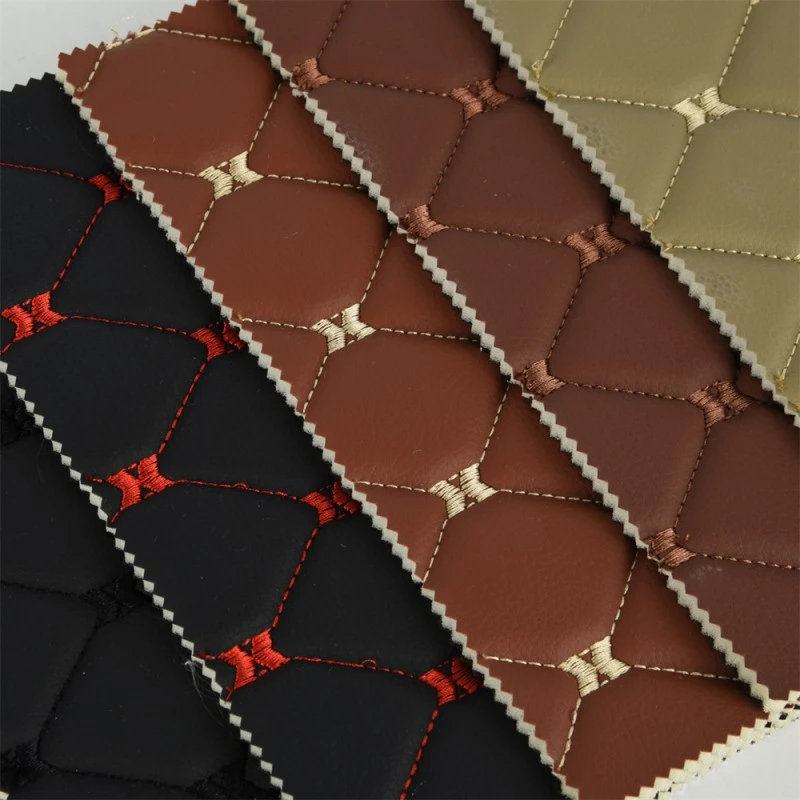
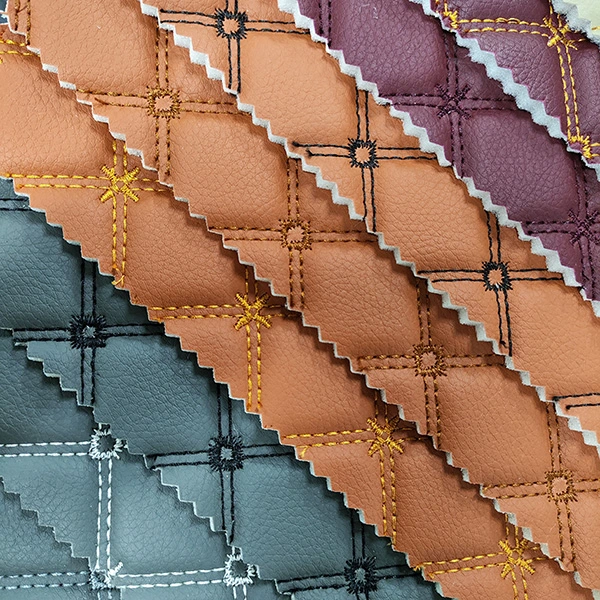
If you are comparing decorative materials for automotive interiors, upholstery, luggage, or premium accessories, Embroidery Leather can help you solve a common conflict: you want a high-end look, but you also need durability, repeatable production, and manageable maintenance.
This article explains what Embroidery Leather is, where it performs best, which buyer pain points it addresses, and how to evaluate quality before placing an order. You will also find a practical sourcing checklist, a comparison table, and an FAQ section designed to help product managers, importers, distributors, and brand owners make faster decisions with fewer sampling mistakes.
Table of Contents
- Outline
- What Problems Does Embroidery Leather Solve
- How Is Embroidery Leather Built and Why Does It Matter
- Where Can Embroidery Leather Be Used Effectively
- How Should You Choose Embroidery Leather for Your Project
- Which Buying Mistakes Cause Delays and Rework
- How to Work Better With a Supplier Before Mass Production
- FAQ
- Conclusion and Next Step
Outline
- Define Embroidery Leather in practical sourcing terms rather than vague marketing language.
- Break down buyer pain points such as visual inconsistency, weak surface performance, and difficult cleaning.
- Explain application scenarios and the trade-offs for each.
- Provide a supplier evaluation checklist to reduce trial-and-error costs.
- Answer common questions from buyers, brands, and product development teams.
What Problems Does Embroidery Leather Solve for Buyers and Product Developers?
Many teams choose a decorative material based on appearance alone, then run into production problems later. The pattern looks beautiful in the sample photo, but the final batch has inconsistent stitching density, poor backing support, or uneven hand feel. That is where a well-made Embroidery Leather solution becomes valuable.
In real projects, buyers usually care about four things at the same time: appearance, durability, process compatibility, and cost control. The challenge is that traditional decorative options often perform well in only one or two of these areas. Embroidery Leather is attractive because it combines pattern value and material functionality in one surface.
| Buyer Pain Point | What Usually Goes Wrong | How Embroidery Leather Helps |
|---|---|---|
| Premium appearance is needed | Flat surfaces look generic and fail to support higher product pricing | Adds texture, depth, and visual identity through stitched patterns |
| Material must survive daily use | Decorative layers crack, peel, or wear too quickly in high-contact areas | Combines decorative effect with a durable leather-like base when properly specified |
| Mass production consistency | Samples look good but bulk order varies in pattern placement and finish | Supports repeatable pattern programs and controlled batch specifications |
| Cleaning and maintenance concerns | Fabric-only decorative surfaces trap dust or stain easily | Leather-like surfaces can be easier to wipe and maintain in many applications |
For brands selling products in competitive markets, surface detail matters. Customers may not always describe it in technical language, but they notice the difference immediately. A strong Embroidery Leather surface can make a product feel more intentional, more customized, and more premium without requiring a complete redesign of the product structure.
How Is Embroidery Leather Built and Why Does the Structure Affect Performance?
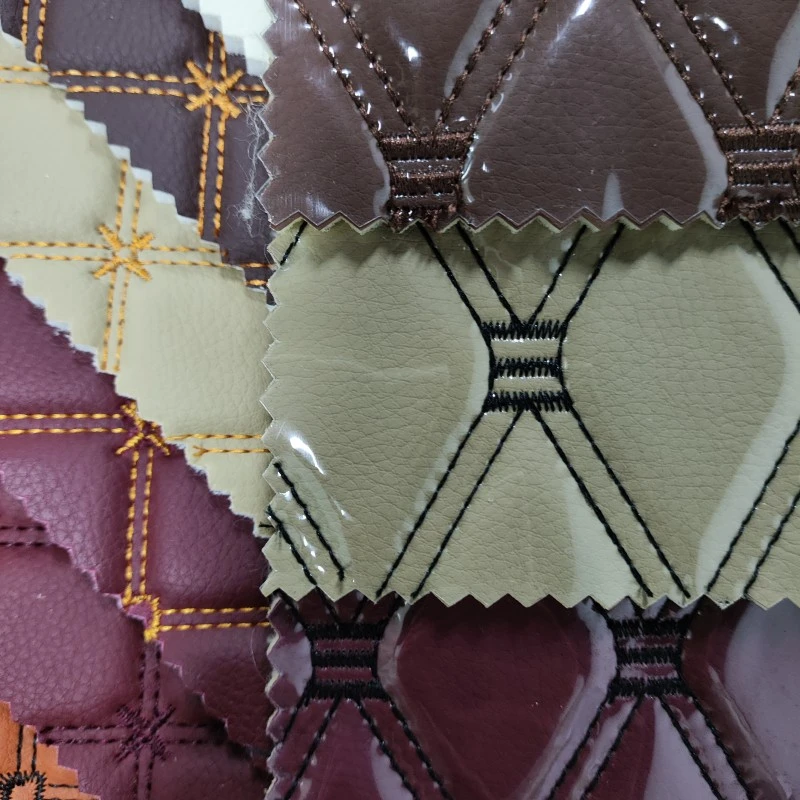
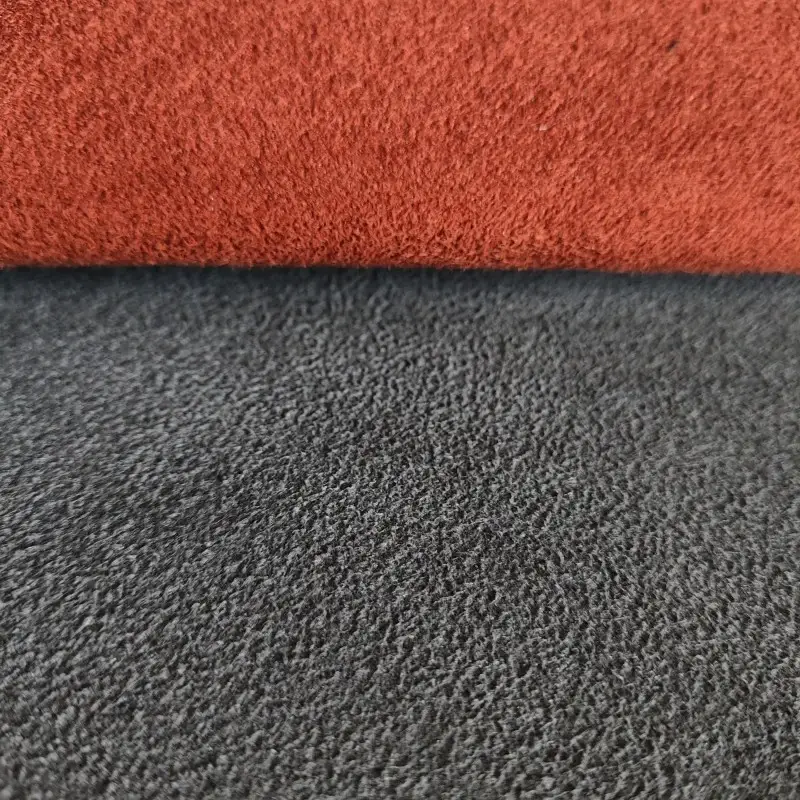
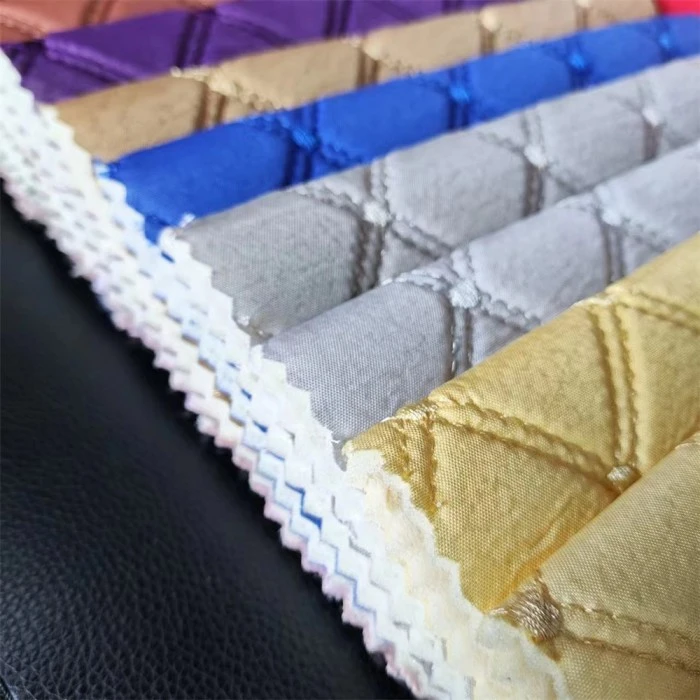
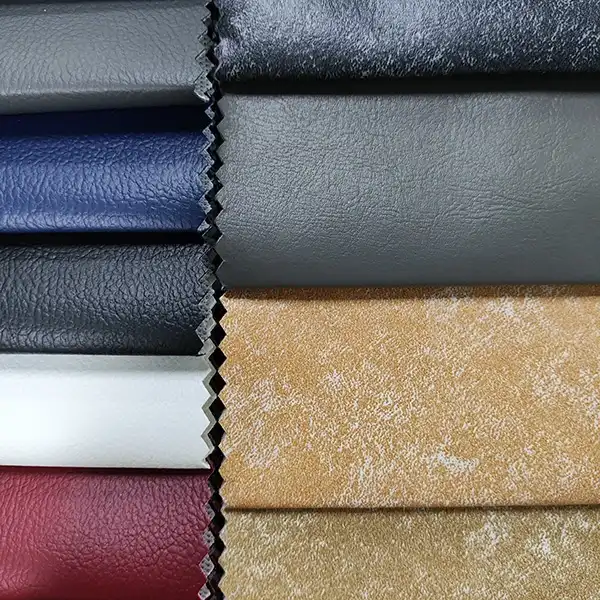
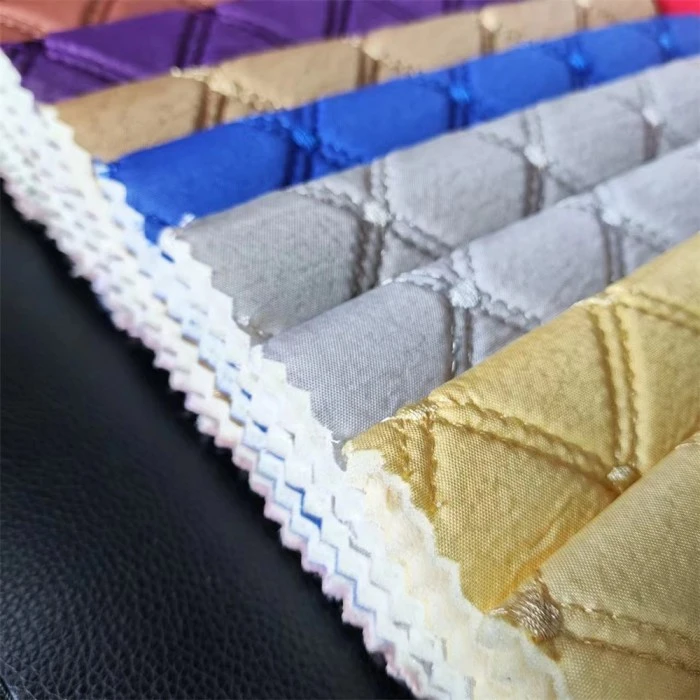
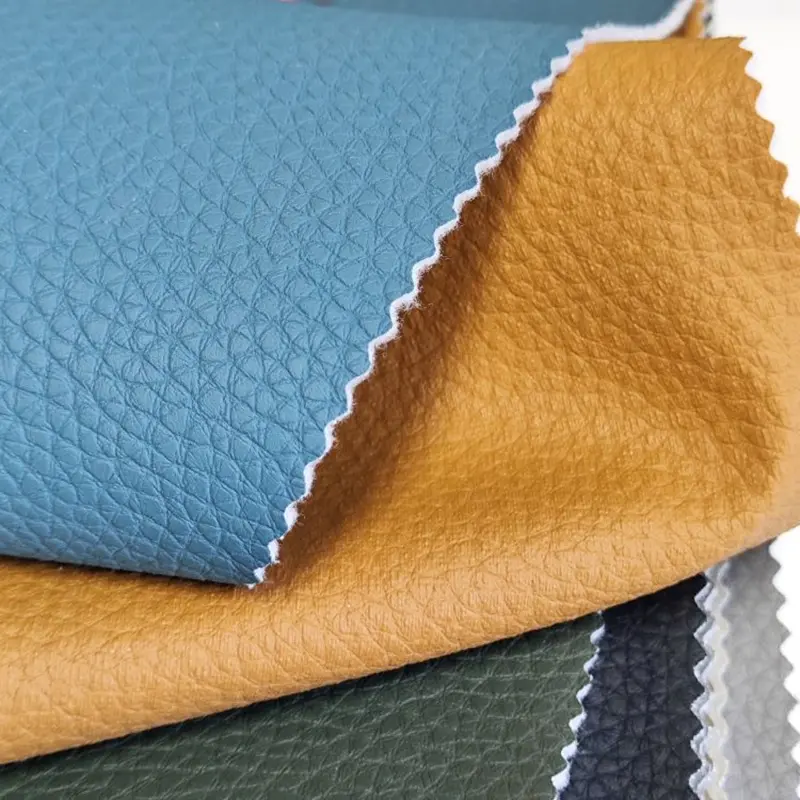
Not all Embroidery Leather materials are identical. The final performance depends on the base material, embroidery thread quality, backing construction, thickness, and finishing process. This is why two products with a similar pattern photo can behave very differently in use.
When evaluating a material, do not stop at pattern appearance. Ask how the material is constructed and what environment it is expected to handle. For example, a decorative interior panel and a high-contact seating surface may require different backing support, abrasion performance, or cushioning structure.
What to Confirm in the Material Structure
- Base layer type and thickness
- Embroidery thread density and stitch stability
- Backing layer composition and support
- Surface finish (matte, semi-gloss, textured)
- Cushioning or sponge layer requirements
- Expected wear and cleaning conditions
Why These Details Matter in Production
- They affect cutting efficiency and sewing results
- They influence wrinkle resistance and shape retention
- They impact long-term comfort in upholstery use
- They change visual depth and tactile feel
- They reduce disputes caused by unclear sampling standards
- They improve repeatability across multiple orders
In short, Embroidery Leather should be specified as a functional decorative material, not just a pattern style. That mindset alone can help you avoid costly re-sampling and prevent mismatches between design intent and manufacturing reality.
Where Can Embroidery Leather Deliver the Best Visual and Functional Value?
Embroidery Leather is widely considered for automotive interiors, upholstery accents, luggage panels, and decorative trim areas because these applications benefit from both style and surface resilience. The best use case usually depends on whether the material will face heavy friction, frequent cleaning, or mostly visual display.
| Application | Why Buyers Choose Embroidery Leather | What to Prioritize Before Ordering |
|---|---|---|
| Automotive interior accents | Upgrades cabin aesthetics and supports personalized designs | Abrasion resistance, color stability, easy cleaning, pattern consistency |
| Upholstery and furniture details | Adds texture and decorative value to visible zones | Hand feel, seam behavior, cushioning compatibility, maintenance routine |
| Bags and luggage panels | Creates brand identity and premium shelf appeal | Crease performance, edge finishing, weight, scratch behavior |
| Decorative trim for custom projects | Supports unique pattern stories and signature visual themes | MOQ flexibility, custom sampling speed, color matching accuracy |
If your team is launching a new collection and wants a recognizable look, Embroidery Leather can be especially useful for limited editions or high-margin lines. Instead of changing the entire product mold or structure, you can upgrade visual differentiation through surface pattern design and material selection.
This is also why many buyers evaluate suppliers who can support customization efficiently. A supplier that understands pattern repeat, color matching, and application-specific requirements can save you time during development and protect your launch schedule.
How Should You Choose Embroidery Leather Without Wasting Time on Unqualified Samples?
The fastest way to lose time is to request “best quality” without defining your actual use condition. A better approach is to build a simple decision checklist around your project. This helps your supplier recommend a more suitable Embroidery Leather option from the beginning.
Practical Selection Checklist
- Define the end use clearly: seat surface, side panel, bag panel, trim, or display component.
- Describe the contact level: high-friction, medium-friction, or mostly decorative.
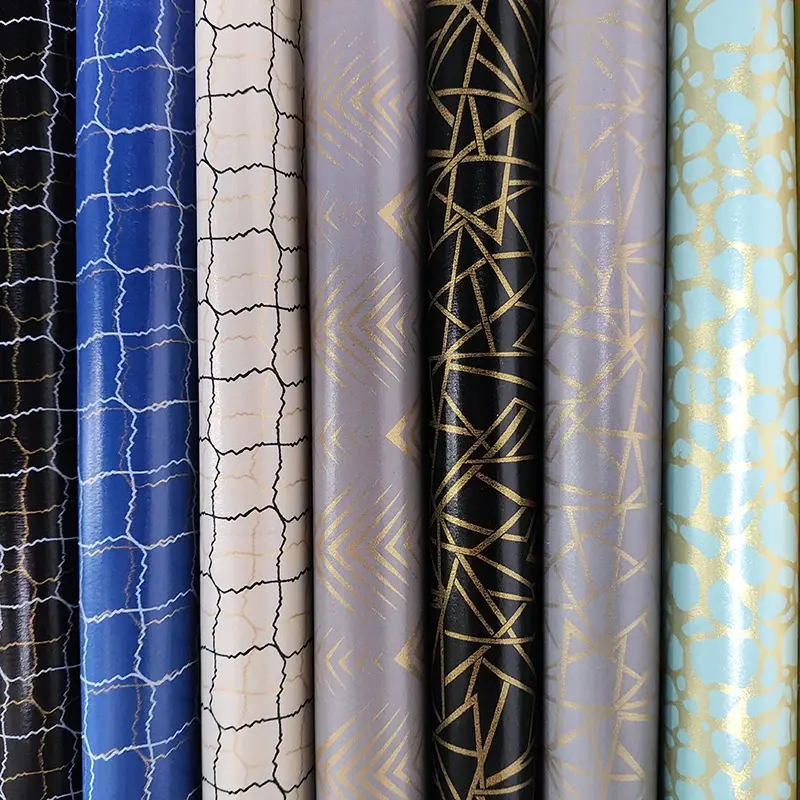
- Set appearance expectations: soft luxury look, sporty style, classic geometric, or custom motif.
- Confirm process needs: cutting, stitching, wrapping, lamination, or molding compatibility.
- Request sample standards in writing: color, thickness, backing type, pattern size, and acceptable tolerance.
- Ask for trial feedback before bulk order: especially for sewing behavior and cleaning performance.
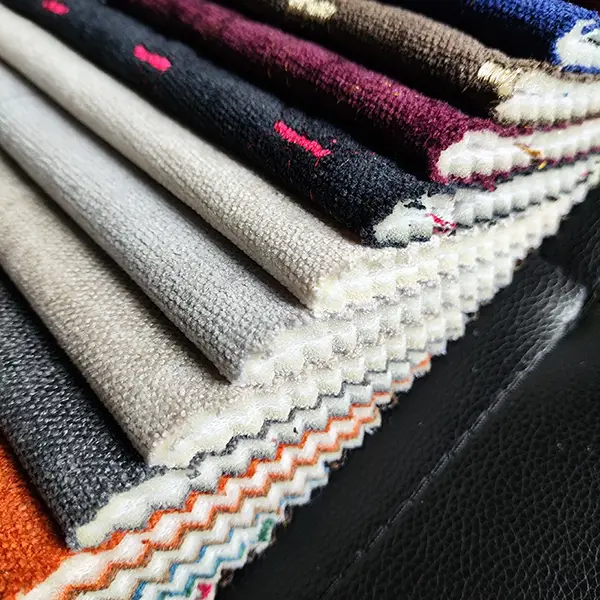
If you are sourcing for multiple SKUs, ask for a material family rather than a single pattern. A coordinated Embroidery Leather series can help you maintain brand consistency while offering variations across product lines. This is particularly useful for distributors and manufacturers that supply several customer segments at once.
For buyers exploring long-term cooperation, it is also practical to work with an experienced supplier such as Ningbo Most-Textile Trading Co., Ltd. when you need multiple decorative synthetic material options and want a smoother communication process from sampling to production planning.
Which Buying Mistakes Create Delays, Complaints, and Extra Cost?
Most material problems are not caused by one dramatic failure. They come from small assumptions made too early. Below are common mistakes buyers make when sourcing Embroidery Leather, especially during rush development cycles.
- Choosing only by photo: photos do not reveal thickness, backing strength, or stitch density.
- Skipping application testing: a decorative sample may not perform well in a high-contact area.
- Not defining color tolerance: this often leads to disputes during bulk delivery.
- Ignoring process compatibility: cutting and sewing behavior can differ significantly across constructions.
- Underestimating lead time for custom patterns: custom development usually needs clear review stages.
- No written approval standard: verbal approvals increase risk when teams change or projects scale.
A small amount of upfront documentation can prevent expensive rework later. Even a one-page material confirmation sheet can improve communication between sourcing, design, and production teams and make your Embroidery Leather order process much more predictable.
How Can You Work With a Supplier More Efficiently Before Mass Production?
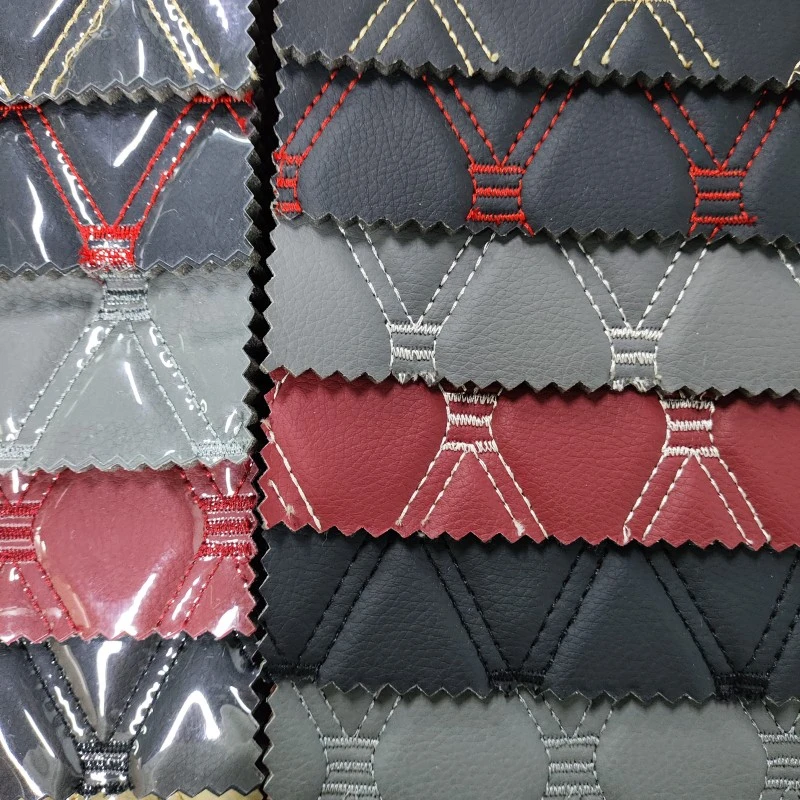
Strong results usually come from clear communication, not complicated language. If you want your Embroidery Leather project to move faster, organize your request using simple, practical information that a supplier can act on immediately.
What to Send in Your First Inquiry
- Application scenario and target market
- Desired look (luxury, sport, classic, custom pattern, etc.)
- Approximate thickness and backing preference if known
- Expected order quantity range
- Sample deadline and project timeline
- Photos or drawings of the product area that will use the material
When the supplier understands your real use case, they can recommend a more suitable construction instead of sending random samples. This saves time and improves your chance of finding the right Embroidery Leather solution on the first or second sampling round rather than the fifth.
FAQ
- Q1: What is the main advantage of Embroidery Leather compared with plain synthetic leather?
- The biggest advantage is the combination of decorative depth and functional surface performance. Embroidery Leather can create a more premium and customized look while still supporting practical requirements such as cleaning convenience and structured appearance, depending on the construction selected.
- Q2: Is Embroidery Leather only for automotive interiors?
- No. Embroidery Leather is also suitable for upholstery accents, bag and luggage panels, custom decorative trims, and other applications where visual identity and durability both matter.
- Q3: How do I avoid ordering the wrong Embroidery Leather specification?
- Start with the end-use scenario, friction level, and process needs. Then confirm thickness, backing, pattern size, and color standards in writing. A clear sample approval standard reduces mistakes before mass production.
- Q4: Can Embroidery Leather support customized patterns?
- In many cases, yes. Customization depends on pattern complexity, order quantity, and development requirements. It is best to share your design direction and timeline early so the supplier can evaluate feasibility and sampling steps.
- Q5: What should I ask a supplier before placing a bulk order?
- Ask about construction details, sample consistency, production capacity, quality control checkpoints, packaging method, and how they handle batch approval standards. These questions help protect delivery timing and reduce quality disputes.
Conclusion and Next Step
Choosing the right Embroidery Leather is not just about selecting a beautiful pattern. It is about matching the material structure to your product use, production process, and customer expectations. When you define your requirements clearly, you can reduce sampling waste, improve launch efficiency, and create a stronger premium impression in the market.
If you are planning a new collection or upgrading an existing product line, working with an experienced supplier such as Ningbo Most-Textile Trading Co., Ltd. can make your development process more efficient from sample selection to bulk production coordination.
Ready to find the right Embroidery Leather for your project and reduce trial-and-error during sourcing?
Share your application, quantity range, and design idea with us, and contact us for tailored sample suggestions and a faster quotation process.