Understanding PU and PVC Leather: What Are They and How Do They Differ?
Why PU and PVC Leather Are the Preferred Materials for Upholstery and Embroidery
How to Choose the Right Type of PU or PVC Leather for Your Application
Future Trends and Market Outlook in Synthetic Leather Manufacturing
Frequently Asked Questions (FAQ)
About Ningbo Most-Textile Trading Co., Ltd. – Your Reliable Leather Partner
PU and PVC leather are two of the most widely used synthetic materials in modern upholstery, automotive interiors, fashion accessories, and embroidery fabrics. Both materials are engineered to replicate the natural look and feel of genuine leather while providing superior durability, easier maintenance, and cost efficiency.
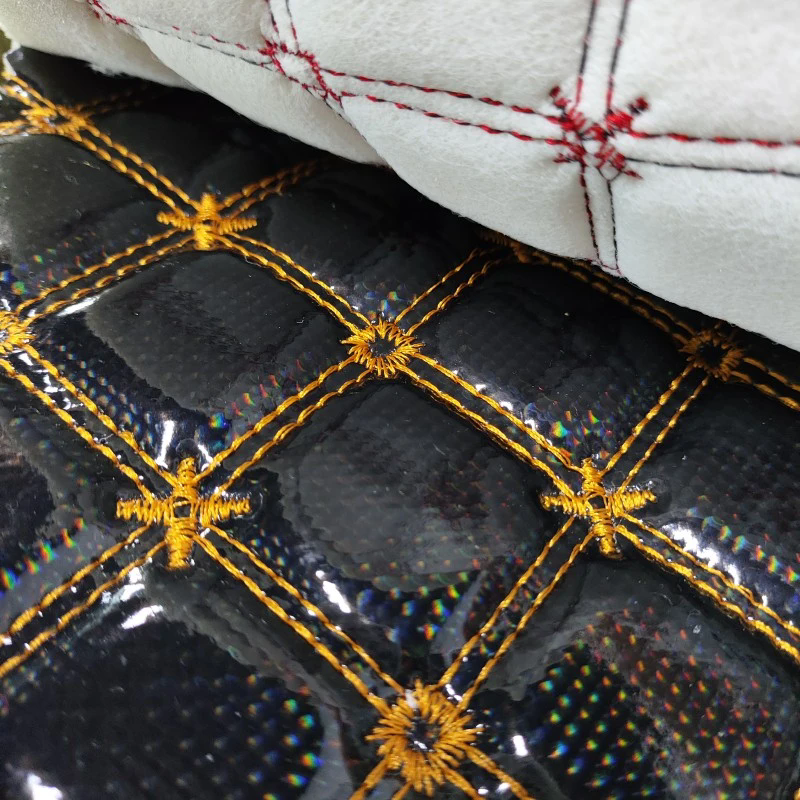
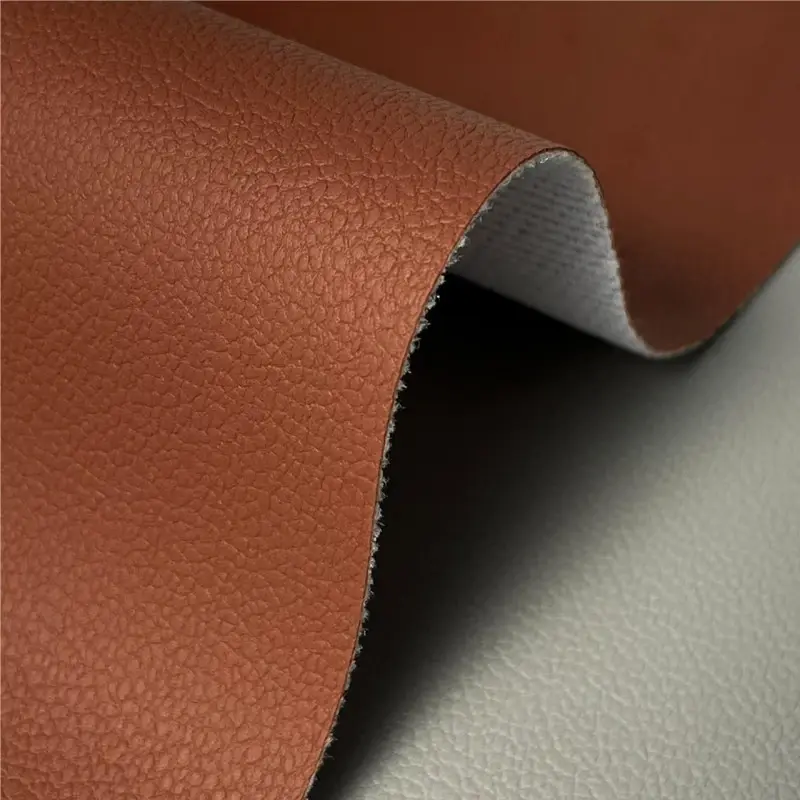
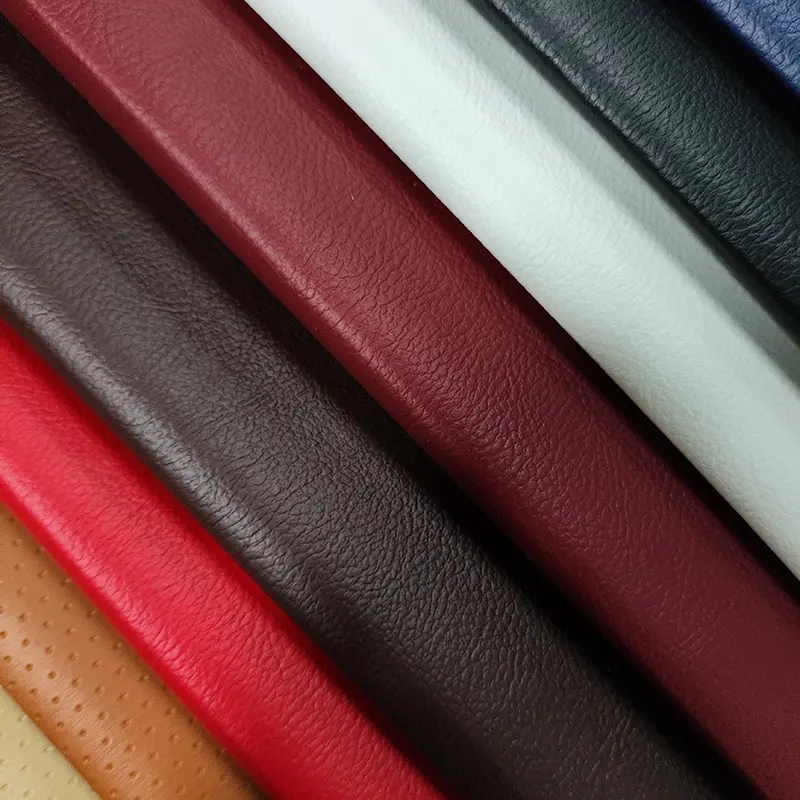
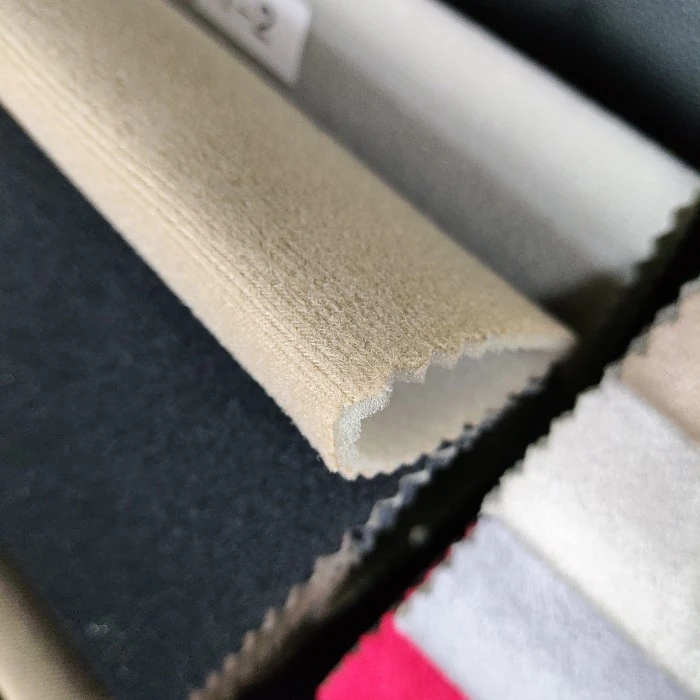
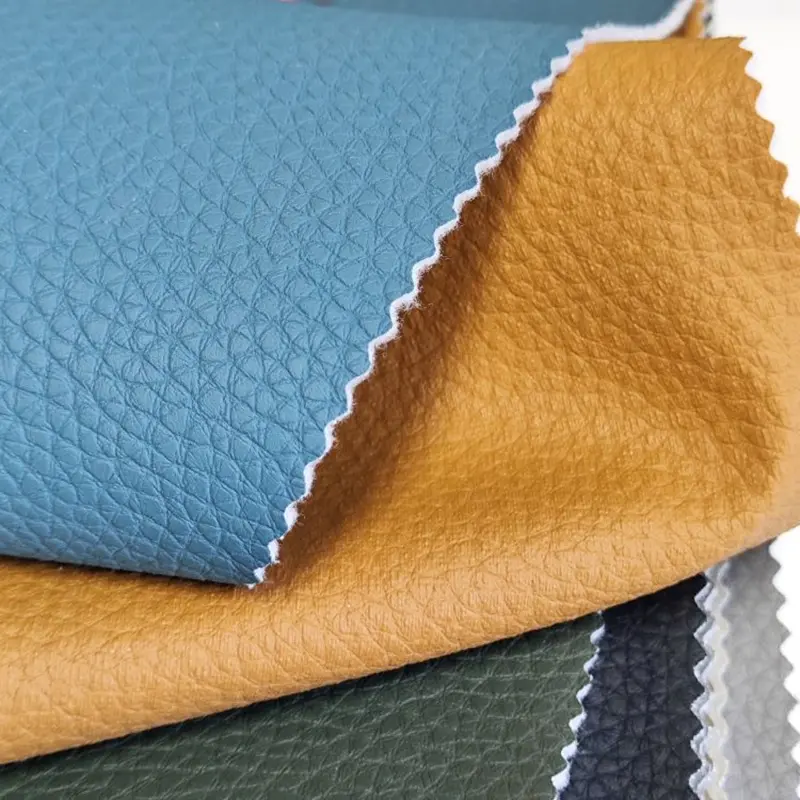
PU leather, also known as polyurethane leather, is made by coating a base fabric (often polyester or cotton) with a flexible polyurethane resin. The result is a soft, elastic material that offers a smooth surface and a realistic leather texture. PU leather is particularly known for its breathability, eco-friendliness, and resistance to cracking under temperature fluctuations.
PVC leather, or polyvinyl chloride leather, is created by applying layers of PVC onto a fabric backing. It is slightly firmer than PU leather and known for its exceptional resistance to water, abrasion, and chemical exposure. Because of its structural toughness, PVC leather is widely used in heavy-duty upholstery, marine environments, and automotive interiors.
| Property | PU Leather | PVC Leather |
|---|---|---|
| Base Material | Polyurethane + Fabric backing | Polyvinyl Chloride + Fabric backing |
| Texture | Soft, flexible, smooth, breathable | Firm, durable, water-resistant |
| Eco-Friendliness | More eco-friendly, less chemical emission | Contains plasticizers, less eco-friendly |
| Applications | Fashion, bags, embroidery, furniture | Upholstery, marine, automotive |
| Maintenance | Easy to clean, gentle on touch | Easy to clean, resistant to moisture |
| Temperature Resistance | Good, may soften with heat | Excellent, stable under heat |
| Cost Efficiency | Moderate price | Lower cost for mass production |
In summary, PU leather is ideal for projects that require flexibility and comfort, while PVC leather offers durability and long-term resistance to environmental factors.
Synthetic leathers have evolved significantly over the past decade, driven by environmental awareness, technological innovation, and consumer demand for cruelty-free materials. The rise of PU and PVC leather represents not only an ethical shift but also a functional upgrade for manufacturers seeking durability without compromising aesthetics.
PU and PVC leather have replaced natural leather in furniture and automotive interiors due to their high tensile strength, ease of maintenance, and resistance to wear and stains. In upholstery leathers, the material must endure constant friction, sunlight, and temperature changes. Both PU and PVC leathers excel in these areas, providing longevity and aesthetic appeal at a fraction of the cost of genuine hides.
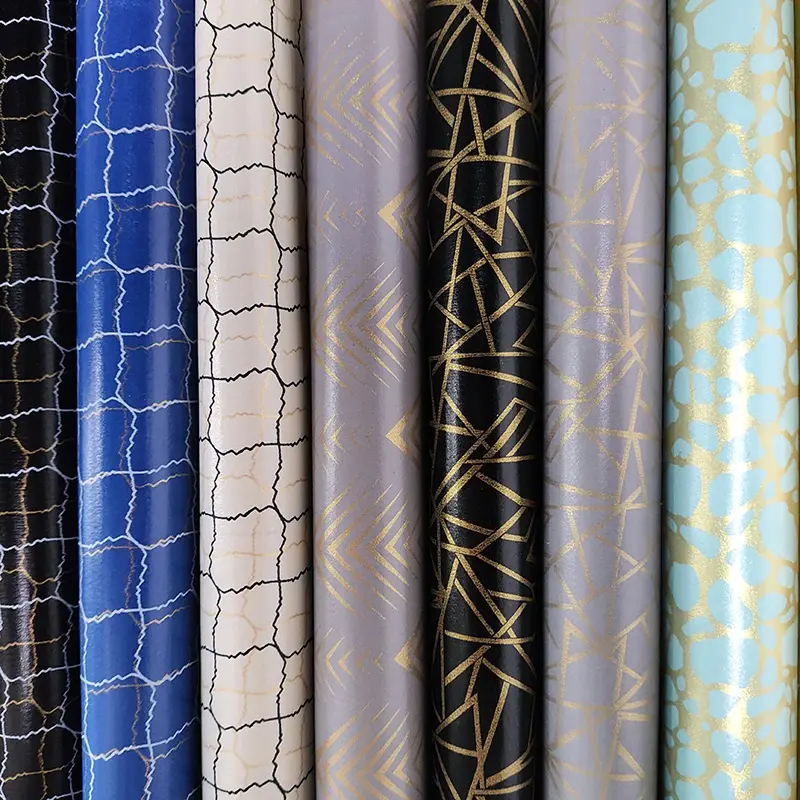
Key Upholstery Benefits:
Stain-resistant and easy to clean with mild detergents.
Colorfastness against UV rays ensures long-term appearance.
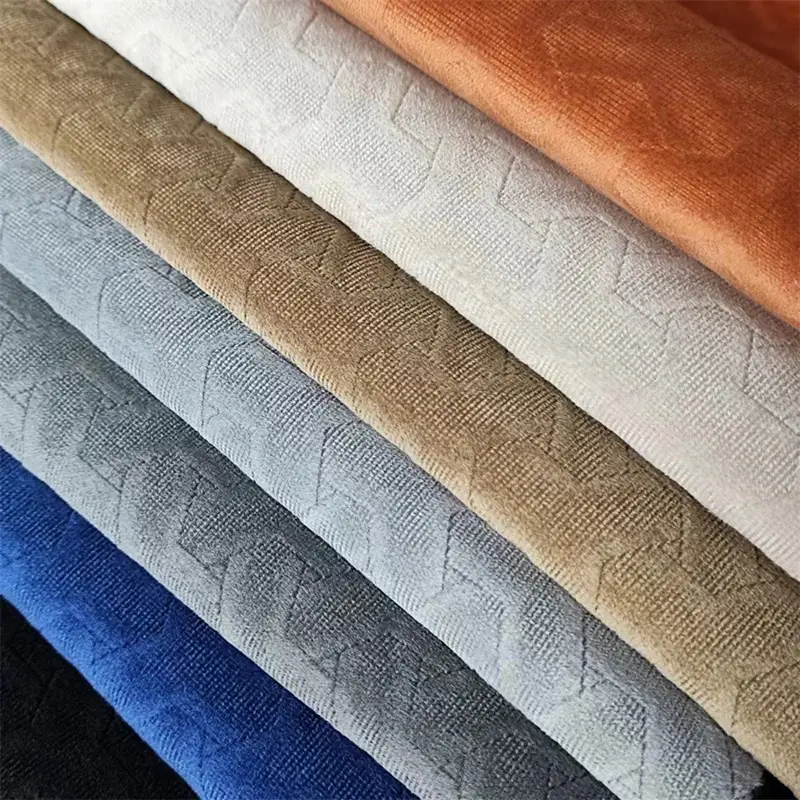
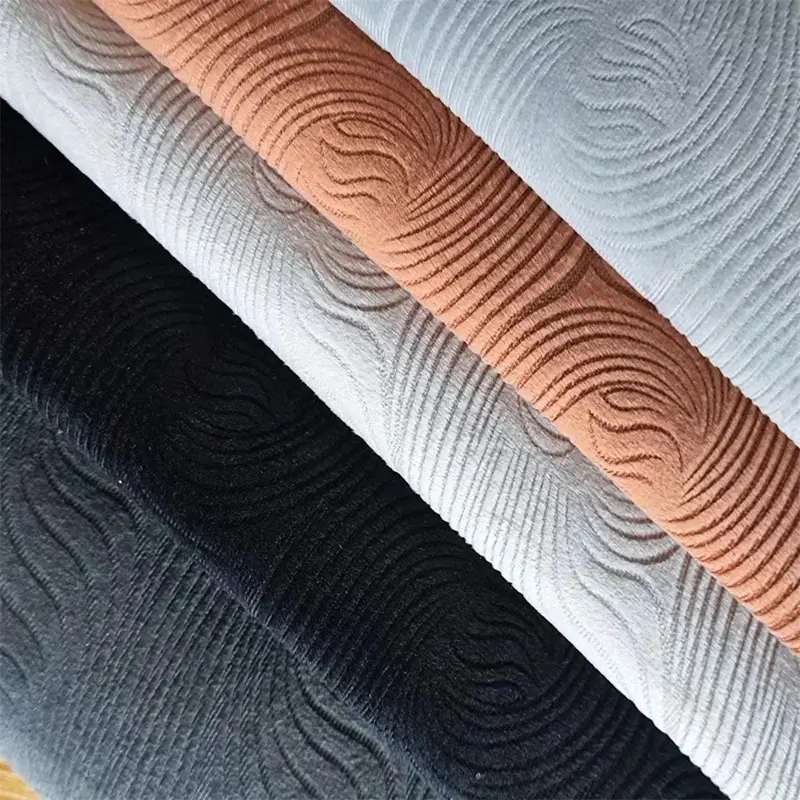
Available in a wide range of patterns, embossing, and finishes.
Resistant to mold, mildew, and humidity — ideal for marine and outdoor furniture.
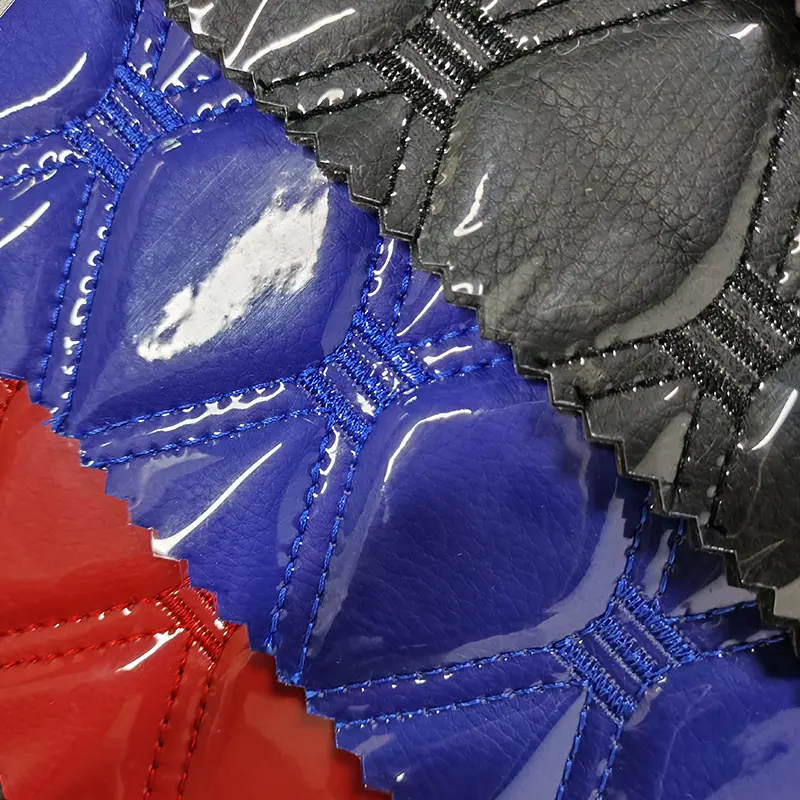
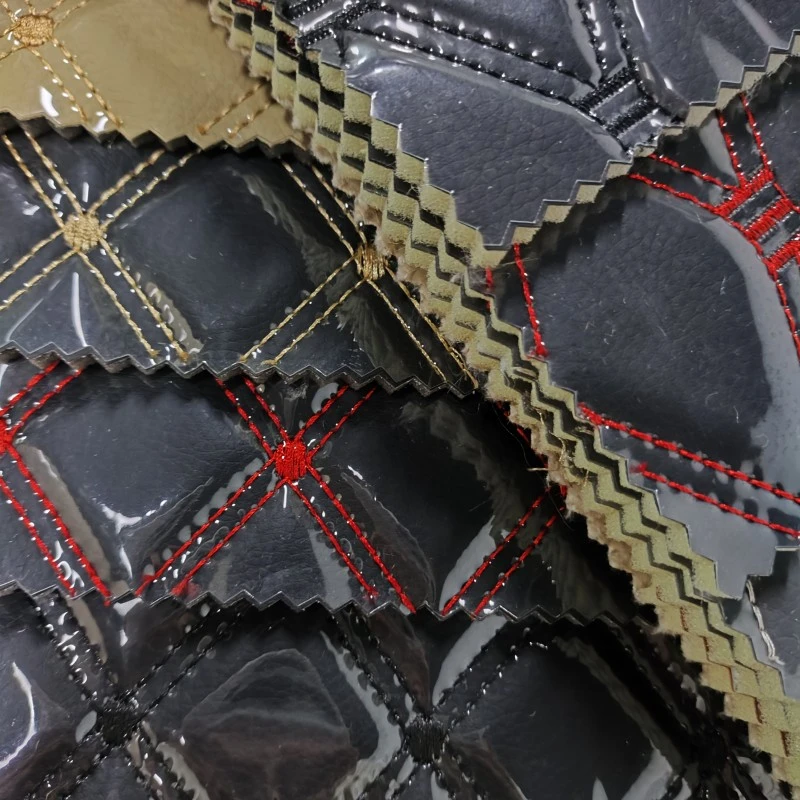
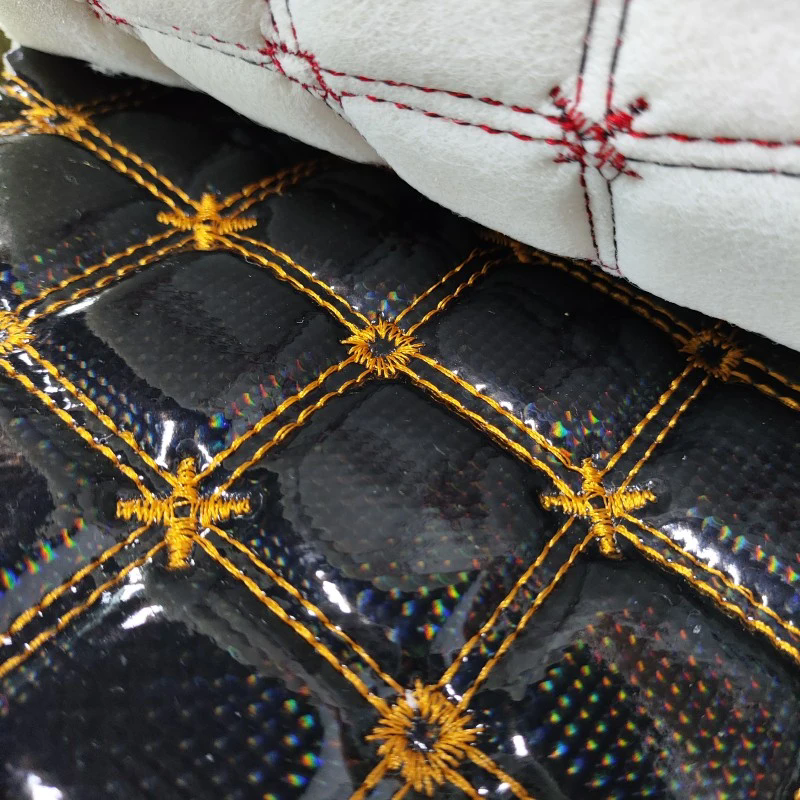
Embroidery leather requires a fine balance between softness and tensile strength. PU leather, with its breathable structure and flexibility, offers an excellent surface for detailed stitching without tearing or stretching. It provides a luxurious look that complements embroidery techniques, allowing vibrant threadwork to stand out beautifully.
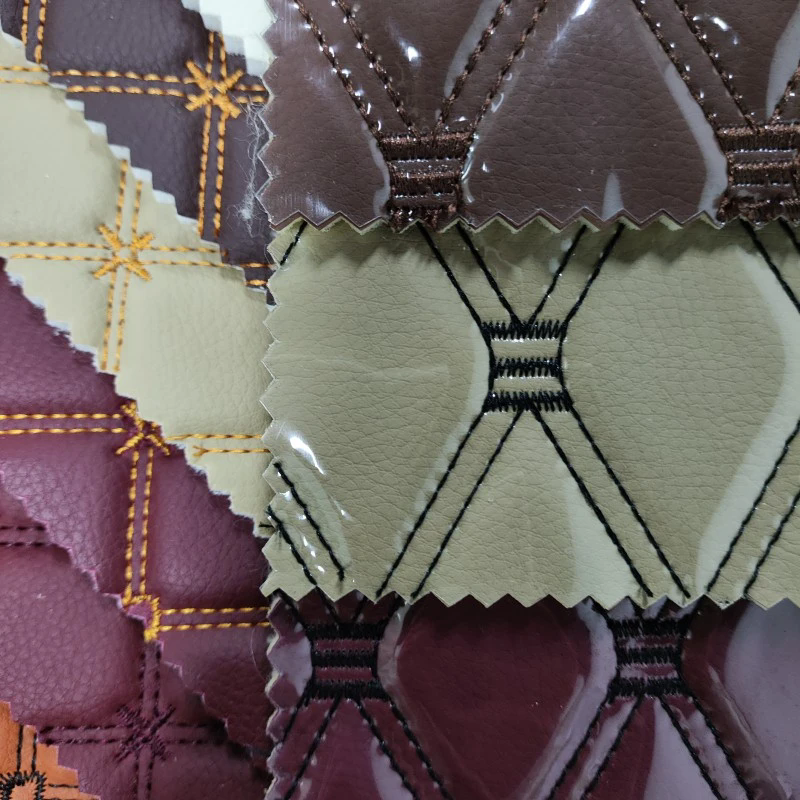
Applications of Embroidery Leather:
Handbags and wallets with decorative stitching.
Customized logos and patterns on fashion accessories.
Automotive interiors with stitched branding or design motifs.
Decorative wall panels and luxury packaging.
| Parameter | PU Leather | PVC Leather |
|---|---|---|
| Thickness Range | 0.5mm – 2.0mm | 0.6mm – 2.5mm |
| Width | 137cm – 140cm | 137cm – 140cm |
| Abrasion Resistance | >50,000 cycles (Martindale) | >70,000 cycles (Martindale) |
| Tensile Strength | ≥30 N/mm | ≥35 N/mm |
| Tear Strength | ≥15 N/mm | ≥20 N/mm |
| Surface Finish Options | Matt, glossy, embossed | Glossy, smooth, textured |
| Flame Retardant Property | Optional (customized) | Optional (customized) |
| Application Fields | Fashion, handbags, embroidery | Upholstery, automotive, marine |
Choosing between PU and PVC leather depends on several functional and aesthetic factors. Understanding the requirements of your end product will ensure optimal performance and longevity.
For decorative or soft-surface applications such as embroidery or fashion, PU leather is preferred due to its gentle hand feel and flexibility. For high-performance uses like marine seats, sofas, or car interiors, PVC leather offers superior durability.
PU leather performs better in moderate indoor environments, while PVC leather can withstand humidity, heat, and UV exposure, making it ideal for outdoor or heavy-use conditions.
Both materials come in a variety of finishes, from high-gloss metallics to vintage matte grains. PU leathers mimic genuine leather more closely, offering a premium look. PVC leathers can achieve brighter color tones and a tougher tactile feel.
PU leather requires gentle cleaning and is more sensitive to heat, while PVC leather resists harsh cleaning agents and water — ideal for households or vehicles that demand low maintenance.
With the growing emphasis on sustainability, many manufacturers now use recycled PU or eco-friendly PVC formulations. Custom embossing, flame retardancy, and antibacterial coatings can also be added based on industry needs.
The synthetic leather market continues to expand globally, with PU and PVC leading the trend toward eco-conscious materials. Manufacturers are investing heavily in water-based PU coatings and phthalate-free PVC production to reduce environmental impact.
Sustainability Focus: Increasing demand for bio-based PU resins.
Smart Textures: Integration of nanotechnology for enhanced scratch and UV resistance.
Customization: 3D embossing and digital printing for design personalization.
Automotive Innovation: Growth in lightweight synthetic leathers for EV interiors.
With technological progress, synthetic leather is now indistinguishable from genuine leather in both look and feel, while outperforming it in terms of functionality, consistency, and price stability.
Q1: What is the difference between PU and PVC leather in terms of comfort?
A: PU leather is softer and more breathable, making it ideal for fashion and upholstery where comfort is essential. PVC leather, though firmer, provides excellent durability and waterproof properties.
Q2: Is PU or PVC leather better for embroidery applications?
A: PU leather is preferred for embroidery because it allows the needle to pass through easily without cracking. Its elasticity helps maintain the fabric’s structure during stitching.
Q3: How long does PU or PVC leather last compared to genuine leather?
A: With proper care, both PU and PVC leather can last 5–10 years, depending on usage. They are also more resistant to fading, moisture, and stains than natural leather.
For over a decade, Ningbo Most-Textile Trading Co., Ltd. has specialized in high-quality synthetic leather solutions, offering a full range of PU and PVC leathers designed for upholstery, automotive interiors, embroidery, and fashion accessories. Each product undergoes rigorous quality testing to ensure superior tensile strength, consistent surface texture, and long-term durability.
With advanced coating technology and a commitment to sustainable production, Ningbo Most-Textile delivers products that meet the strict requirements of international markets while supporting environmental responsibility. Whether for large-scale upholstery projects or custom embroidery leather applications, their technical expertise and global supply capabilities ensure reliability and excellence.