Abstract: Plain Fabric and Headliner materials look simple on paper, but they quietly decide whether an interior feels premium, stays quiet, and survives heat, humidity, and daily wear without sagging, bubbling, or fading. This guide breaks down the most common customer pain points—wrinkles, delamination, inconsistent color lots, odor concerns, fit issues, and late deliveries—and turns them into a practical buying checklist. You’ll learn what to ask about fiber, backing, adhesive compatibility, thickness control, and testing, plus how to compare options using a clear table. If you’re sourcing for automotive interiors, seating, panels, or aftermarket upgrades, this article helps you choose materials that install cleanly and stay stable over time.
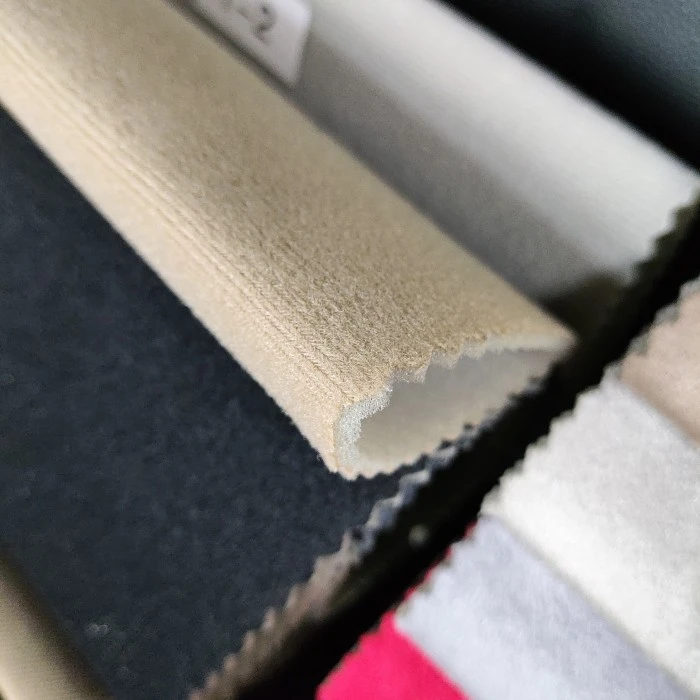
If you’ve ever had a shipment that looked “fine” in the warehouse but turned into installation drama on the line—wrinkles that won’t relax, foam that tears, adhesive that won’t grab, or color that shifts under sunlight—this is for you. Plain Fabric and Headliner sourcing is common in automotive and mobility interiors, but the risk isn’t the material itself; it’s the mismatch between the material’s construction and your real-world process.
This guide is especially useful for buyers, engineers, and product teams working on:
Let’s name the problems directly—because “good quality” is not a spec. Most disputes around Plain Fabric and Headliner come from these predictable failure modes:
The good news: every one of these can be reduced by locking the right construction and acceptance criteria early—before you scale.
“Plain fabric” sounds like a commodity, but in interiors it usually means a stable woven face material that delivers a consistent look, predictable stretch, and reliable cutting performance. When you’re using Plain Fabric and Headliner materials together across a cabin, you want the surfaces to feel coordinated—without forcing one material to do a job it wasn’t built for.
What to focus on when choosing plain fabric:
A practical tip: if your part requires tight forming (corners, deep curves), treat plain fabric like an engineered component. Confirm whether your forming method needs controlled stretch or controlled stiffness. “Looks good on a flat sample” doesn’t guarantee it will lay cleanly on a roof contour.
Headliner isn’t just a surface fabric—it’s a system. Most Headliner constructions include a face fabric laminated to foam (or a scrim) plus a backing layer. When people say “the Headliner failed,” the failure usually happens at an interface: fabric-to-foam bond, foam-to-backing bond, or adhesive-to-substrate bond.
Key parts of a Headliner construction:
Common reasons headliners fail in the field:
If your customer’s pain point is “it sags after one summer,” you’re not really solving it by picking a nicer face fabric. You solve it by specifying foam density/quality, lamination method expectations, and heat-aging stability—then verifying those in sampling.
The fastest way to reduce rework is to convert vague requirements into measurable checks. Below is a buyer-friendly list you can copy into your RFQ or purchase spec for Plain Fabric and Headliner.
One underrated move: align the spec with your actual installation adhesive and process. A material that performs beautifully with one glue can fail with another. If you don’t lock adhesive compatibility early, you’ll pay for it later—usually in labor, not materials.
| Option | Best Use | Strengths | Watch Outs | What to Confirm |
|---|---|---|---|---|
| Plain Fabric (stable woven) | Panels, trims, inserts, decorative wraps | Clean look, stable cutting, consistent texture | May not drape well on deep curves if too stiff | Weave density, fray behavior, heat stability |
| Headliner (face + foam + backing) | Roof Headliner, cabin ceiling surfaces | Soft touch, hides imperfections, premium feel | Delamination risk if foam/bonding is weak | Foam quality, lamination strength, thickness tolerance |
| Plain Fabric with backing (reinforced) | Parts needing extra stability or easier bonding | Better handling, less distortion, cleaner install | Can add stiffness and reduce formability | Bonding behavior, edge cut quality, roll memory |
| Headliner tuned for hot climates | Regions with intense sun/heat exposure | Reduced sag risk, more stable aging | May cost more; needs clear acceptance criteria | Heat aging behavior, odor after heating, bond retention |
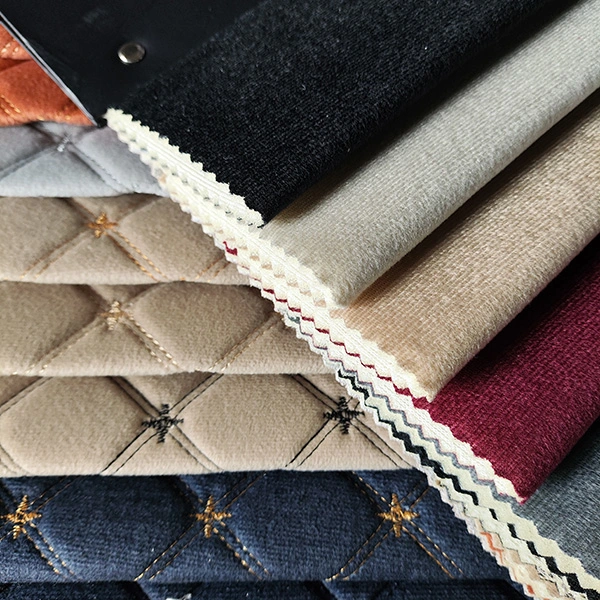
When customers complain about interiors, they rarely say, “the fabric spec was slightly off.” They say, “this feels cheap,” or “it’s falling apart.” Your QC system is the difference between a smooth launch and a slow drip of returns.
Smart incoming checks for Plain Fabric and Headliner:
Teams that source successfully treat sampling like a mini production run. The goal isn’t a pretty swatch—it’s repeatability.
Here’s a clean workflow you can use to avoid the “we approved the sample, but mass production is different” trap:
This is exactly where a supplier’s communication and documentation discipline matters. A partner who can clearly explain construction options, provide stable lot control, and support customization will save you time—and protect your schedule.
Ningbo Most-Textile Trading Co., Ltd. works with customers who need Plain Fabric and Headliner materials that fit real production needs—stable supply, clear specs, and practical support for sampling and customization. If you’re balancing appearance, comfort, and long-term durability, a structured sourcing workflow makes the difference.
Q1: What’s the biggest cause of headliner sagging over time?
A: Most sagging comes from heat aging and weakened bonding within the headliner system—especially foam stability and lamination strength. Matching the construction to climate conditions and validating bond retention after conditioning helps prevent it.
Q2: How do I decide between plain fabric and a laminated headliner structure?
A: Use plain fabric when you need a stable surface for panels, trims, or wraps and your part doesn’t require a soft foam layer. Choose a headliner structure when you need softness, acoustic feel, or the ability to hide substrate imperfections on a roof/ceiling surface.
Q3: Why does “the same color” look different in a new batch?
A: Lot variation can happen due to dyeing conditions, finishing differences, or fiber variation. You reduce risk by setting a clear color tolerance, using a reference standard, and inspecting under consistent lighting.
Q4: What should I test during sampling to avoid later surprises?
A: Test the way you actually build: cutting behavior, forming/drape on real contours, bonding with your real adhesive, and short conditioning for heat/humidity. These steps catch most failure modes early.
Q5: Can plain fabric work for headliner applications?
A: Sometimes, but only if it’s engineered into a headliner system with appropriate foam/backing and proven bonding stability. A face fabric alone usually won’t deliver the long-term flatness and softness people expect from headliners.
When Plain Fabric and Headliner choices are right, nobody notices—because everything simply fits, feels good, and stays quiet and smooth for years. When they’re wrong, the cost shows up as rework hours, installation delays, customer complaints, and warranty risk. The best approach is straightforward: define the application, lock measurable specs, test with your real process, and demand lot consistency.
If you want help selecting a Plain Fabric and Headliner construction that matches your climate, installation method, and appearance targets, we’re ready. Tell us your application, target thickness/weight range, and the adhesive or substrate you use—then contact us for sampling and a tailored recommendation.