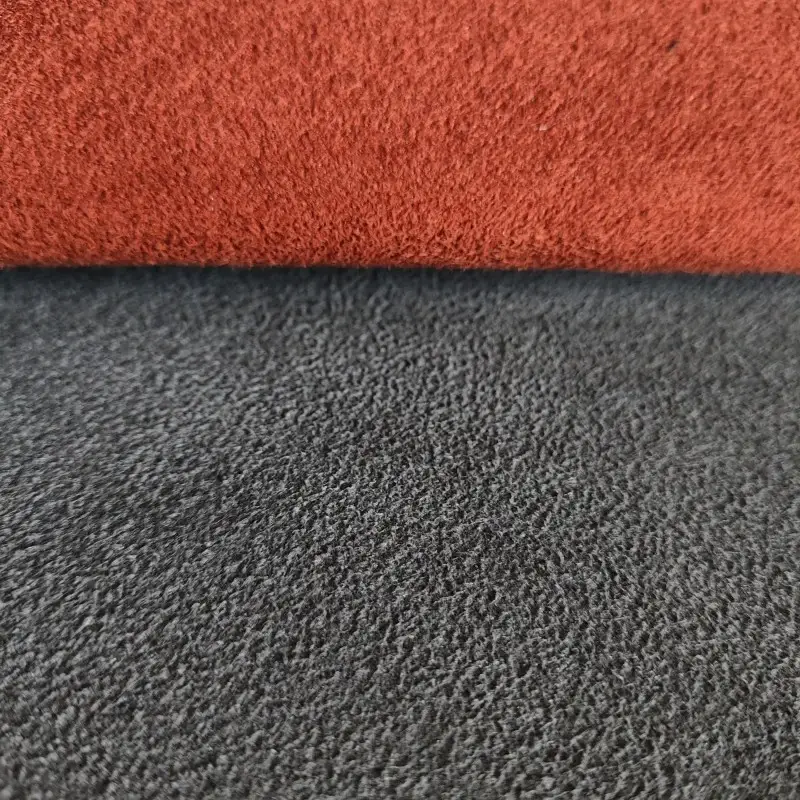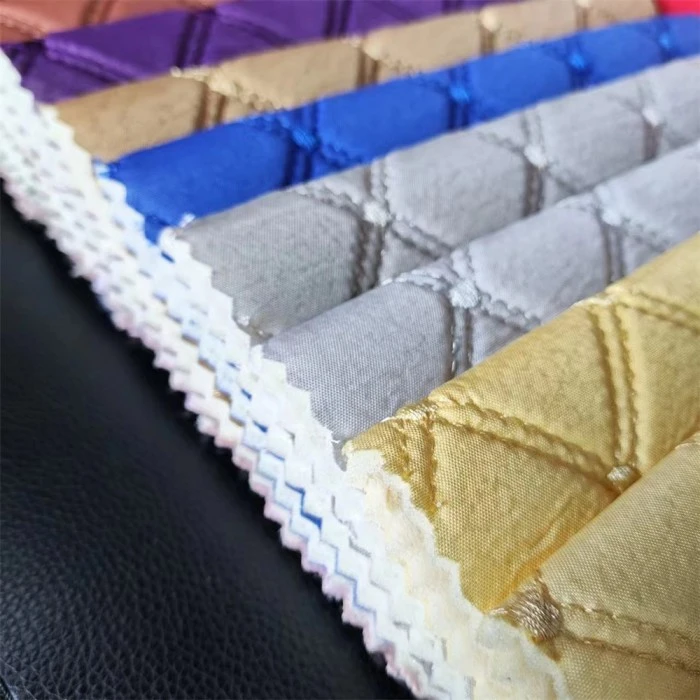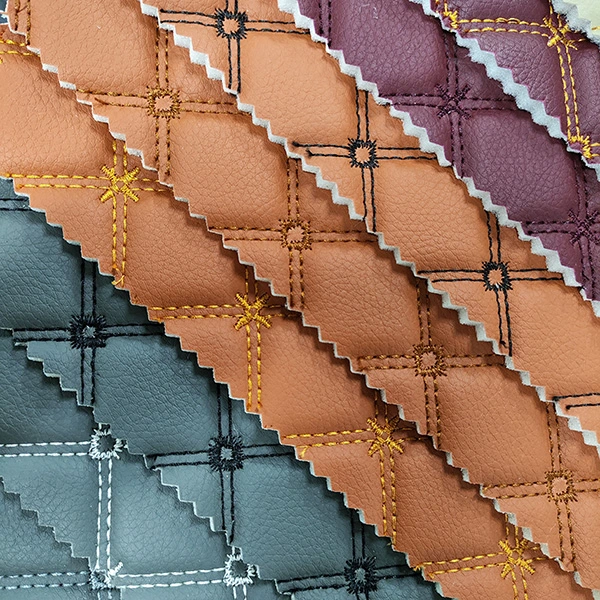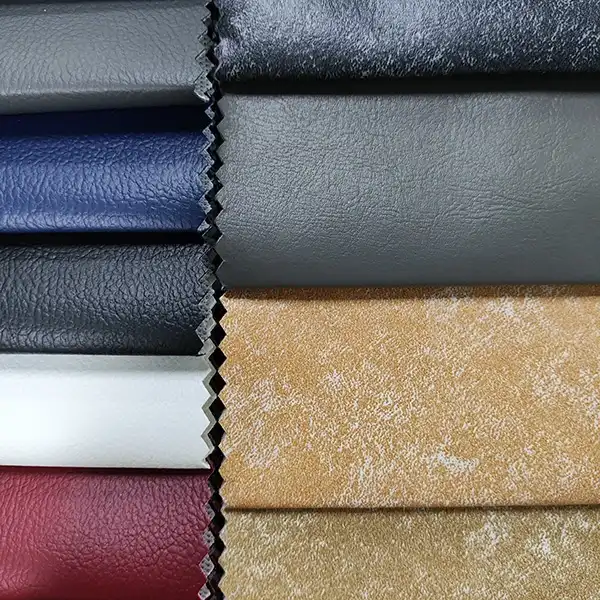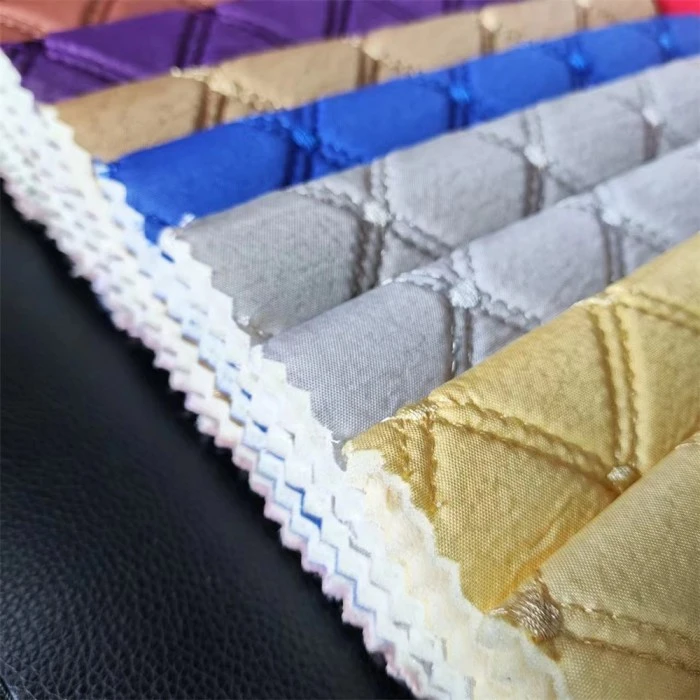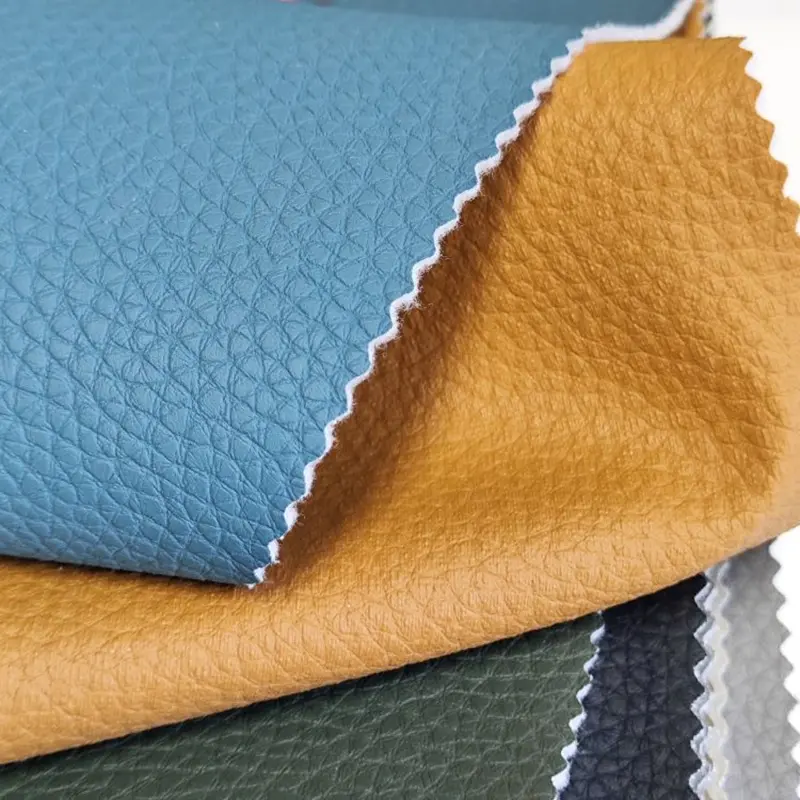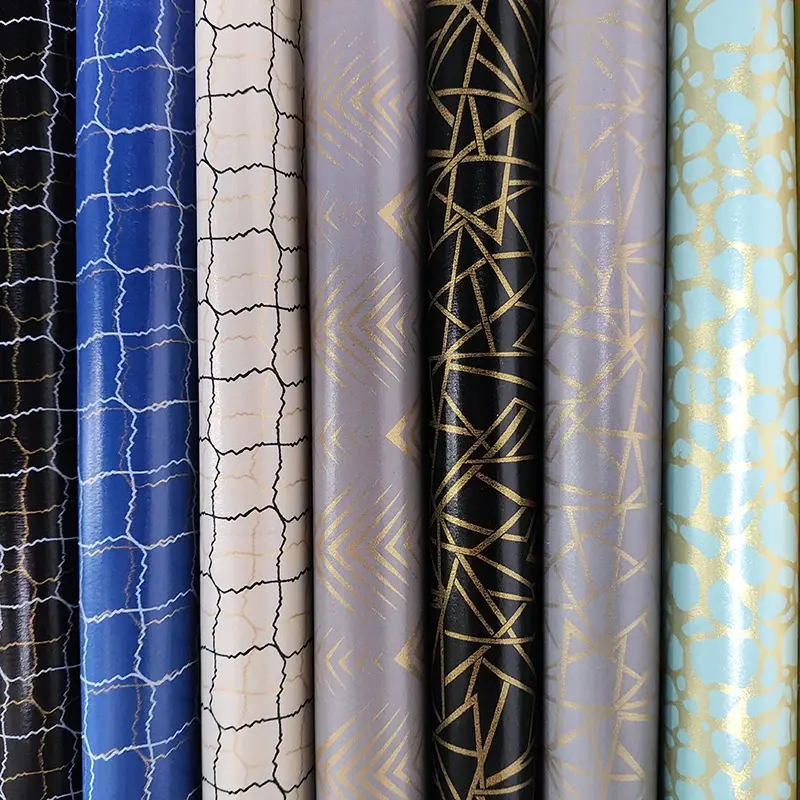
Sofa Leather can feel like a “simple material choice” until your sofa starts cracking, fading, or picking up stains you can’t unsee. Whether you’re furnishing a family living room, a boutique hotel lobby, or a showroom, the wrong upholstery can turn into constant maintenance, uncomfortable seating, and expensive replacements.
This guide breaks down what actually matters when selecting Sofa Leather—so you can match performance, comfort, appearance, and budget without getting trapped by confusing labels or glossy marketing photos.
Choosing Sofa Leather is not just about color and texture—it’s about how the material behaves under real life: pets, kids, sunlight, dry air, humid summers, daily friction, body oils, and accidental spills. This article explains the practical differences between common leather categories and finishes, provides a quality-evaluation checklist, and includes an easy decision table to match leather types to use cases. You’ll also get care routines that prevent cracking and staining, plus a procurement checklist for smoother sampling, approval, and delivery.
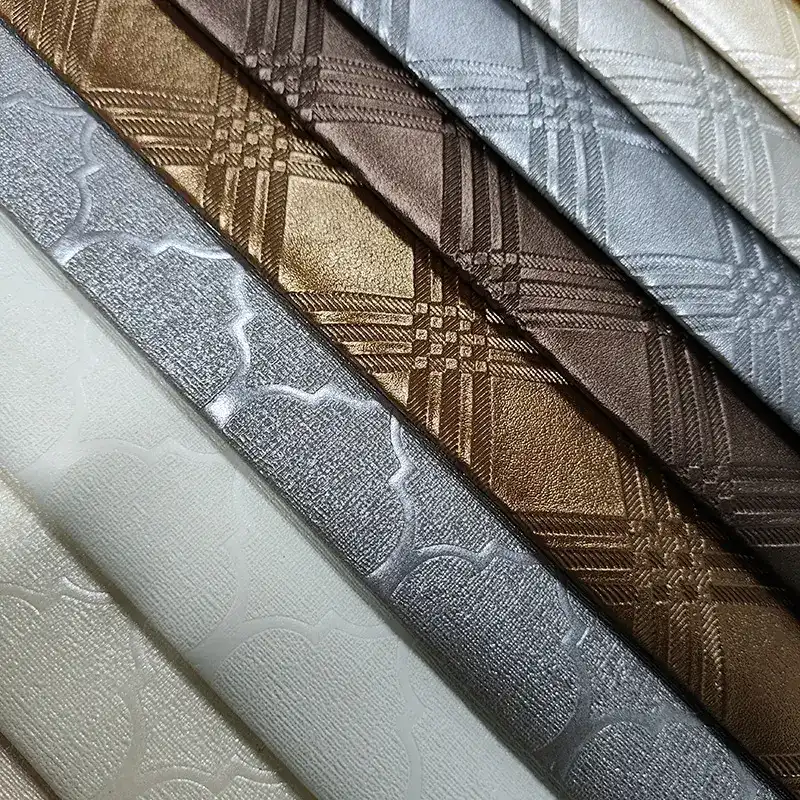
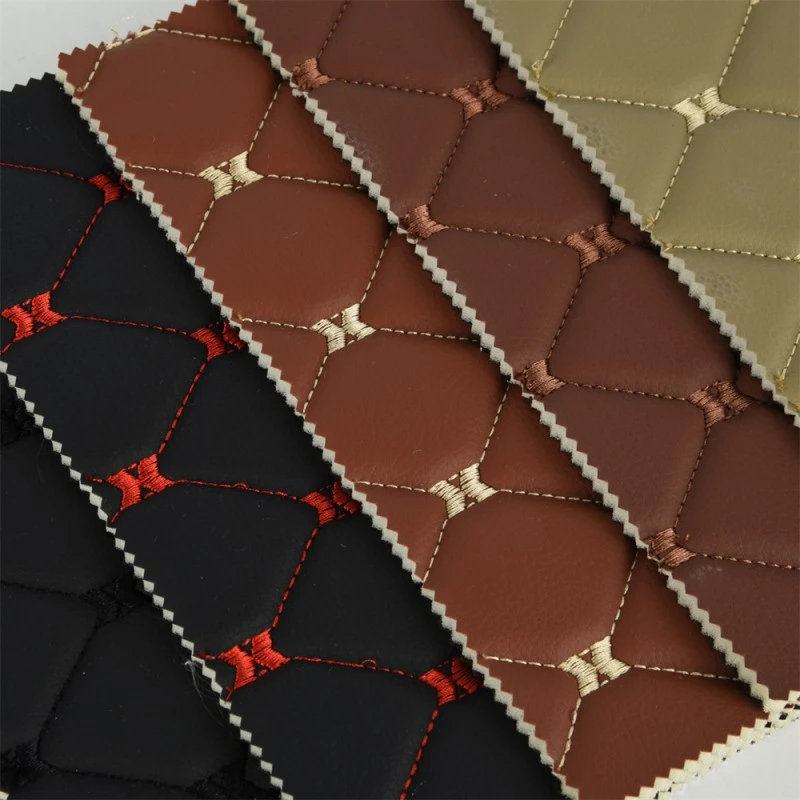
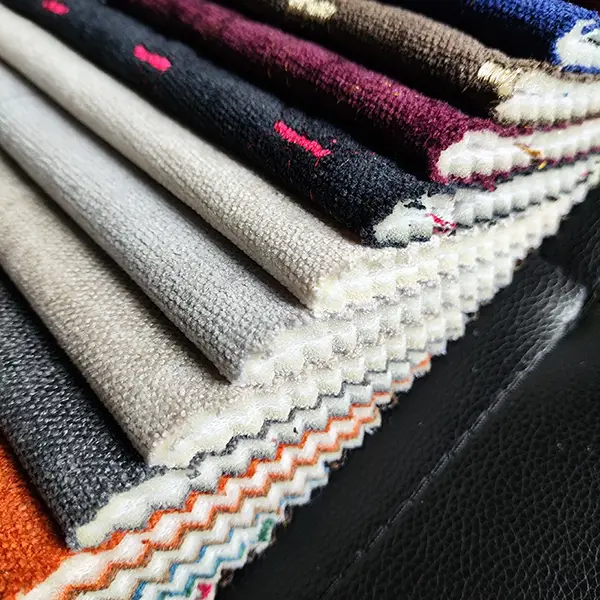
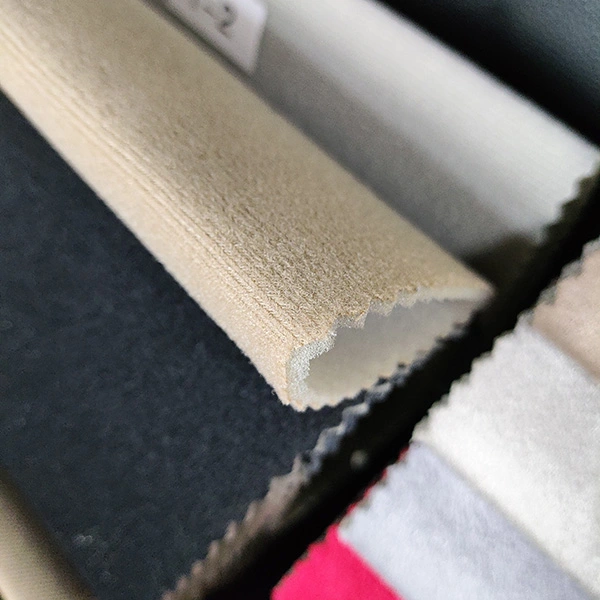
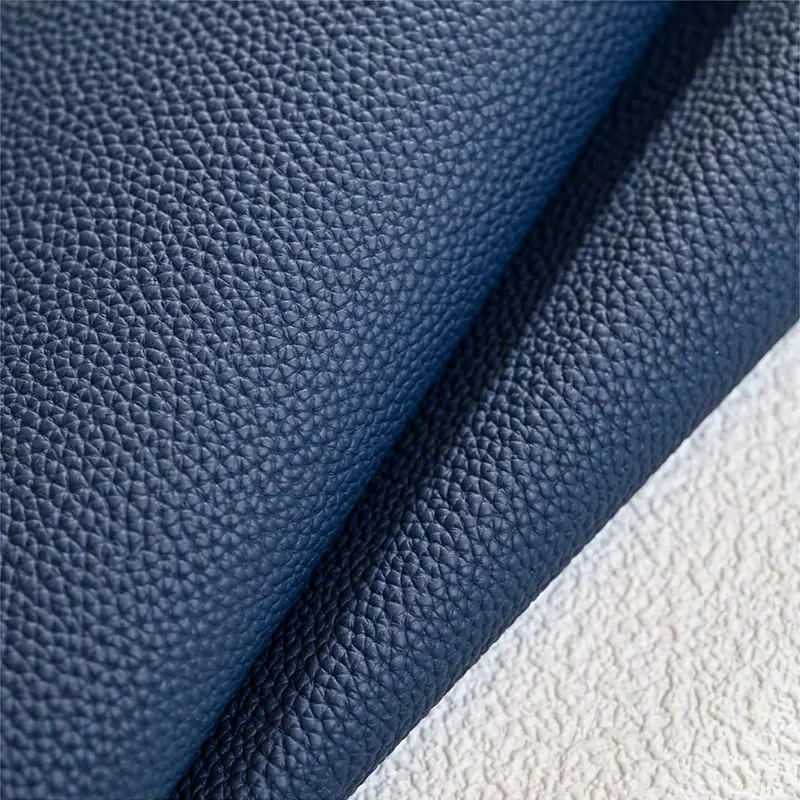
In everyday conversations, “Sofa Leather” may refer to several different upholstery categories. Understanding these categories helps you avoid the classic mismatch: a material that looks premium on day one but fails under daily use.
None of these are automatically “good” or “bad.” The right choice depends on where the sofa will live, how it will be used, and what failures you absolutely can’t tolerate.
Most Sofa Leather complaints are predictable. Here are the big ones—and how to design them out before you buy.
If you only remember one thing: the best Sofa Leather is the one designed for your real environment, not the one that photographs best.
You don’t need lab equipment to make a smarter decision. You just need a consistent way to review samples.
Practical sample checks you can do in minutes:
Ask your supplier about these basics:
When Sofa Leather is going into a project with deadlines, sampling and documentation matter as much as the material itself.
Here’s a simple decision table to match typical usage scenarios to material priorities. Use it as a starting point when you’re narrowing options.
| Use Case | Top Priorities | Recommended Direction | Notes |
|---|---|---|---|
| Family living room (kids + snacks) | Stain resistance, easy cleaning, consistent color | Protective finished leather or high-performance alternative | Choose mid-tone colors to hide minor marks. |
| Pets (cats/dogs) | Scratch camouflage, surface stability, quick wipe-down | Textured finish, resilient top layer | Avoid ultra-smooth, delicate surfaces if scratches drive you crazy. |
| Sunny room / near large windows | Fade resistance, heat tolerance | Higher lightfastness materials and stable pigments | Consider UV protection for the space itself. |
| Dry climate or near heating vents | Flex durability, crack prevention | Upholstery-grade materials rated for repeated bending | Humidity control helps more than people think. |
| Commercial seating (lobby/café) | Abrasion resistance, easy maintenance, repairability | Commercial-grade upholstery leather or engineered option | Plan for cleaning frequency and backup stock. |
| Luxury look-and-feel focus | Natural texture, softness, depth of color | Higher-grade real leather with balanced protection | Accept that softer feel can mean more visible patina over time. |
This is the real trick: the “best” Sofa Leather is the one whose weaknesses don’t bother you in your real daily life.
Good care is boring, consistent, and gentle. That’s what makes it work.
Daily/weekly routine (low effort, high reward):
Monthly routine:
Environment tips that matter more than fancy products:
Big “don’ts” that cause most long-term damage:
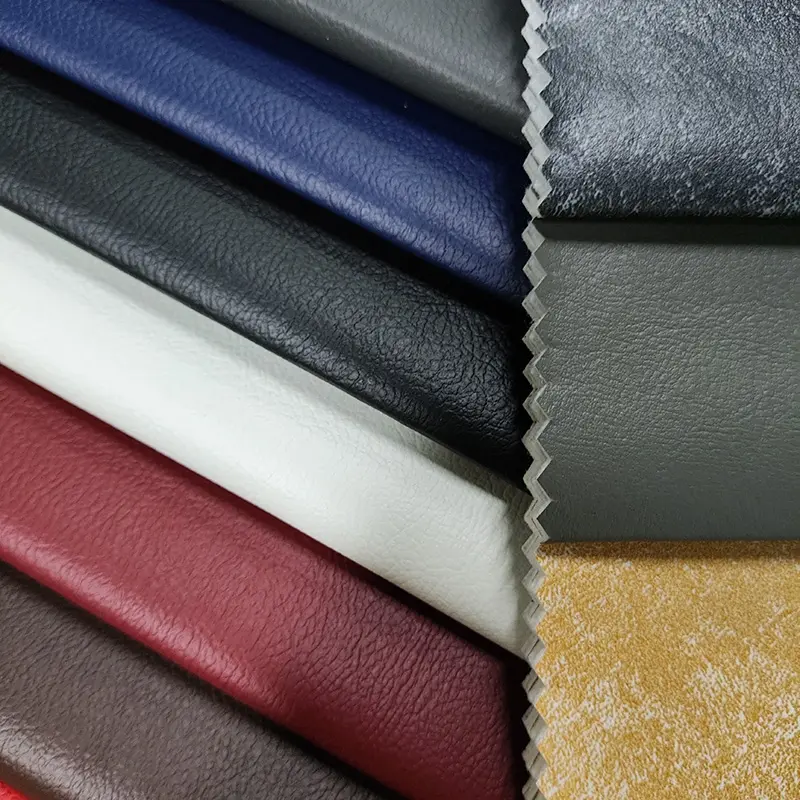
If you’re sourcing Sofa Leather for production, customization, or multiple units, planning prevents last-minute headaches.
When Sofa Leather selection is treated like a process—not a last-minute color pick—your results are dramatically more predictable.
If you want Sofa Leather that fits both the design goal and the daily reality, supplier support makes a measurable difference. Ningbo Most-Textile Trading Co., Ltd. provides a dedicated Sofa Leather selection and can help you narrow options based on your application, target feel, maintenance expectations, and risk points (scratching, staining, fading, or cracking).
When you treat Sofa Leather as a performance surface—not just upholstery—you get seating that stays comfortable, consistent, and easier to live with.
Q: Is all Sofa Leather equally durable?
A: No. Durability depends on the material category, surface finish, and the environment it lives in. The same sofa can age beautifully in one home and fail quickly in another based on sunlight, humidity, and cleaning habits.
Q: What usually causes cracking?
A: Cracking is commonly linked to dryness, heat exposure, repeated flexing with a fragile finish, or inappropriate cleaners. Placement and basic care matter a lot.
Q: What’s the safest color choice for daily use?
A: Mid-tones and textured surfaces tend to hide wear better than very light or very dark colors. If your space gets strong sun, prioritize stable pigments and fade resistance.
Q: How do I reduce pet scratch visibility?
A: Choose a texture that disguises fine marks, avoid ultra-smooth delicate surfaces, and use throws in favorite pet zones. Also keep claws trimmed—simple, but effective.
Q: Can Sofa Leather be “easy-clean” without feeling plastic?
A: Yes. Many upholstery options balance a comfortable hand-feel with a protective surface. Sampling is key—touch and flex tests reveal more than photos.
Q: How many samples should I review before deciding?
A: For personal use, 2–5 well-chosen samples can be enough. For projects, it’s smart to review several finishes and confirm performance expectations before final approval.
Sofa Leather should make your space feel better—not add stress. When you choose based on how you actually live (traffic, pets, sunlight, and cleaning habits), you end up with upholstery that keeps its look, feels comfortable longer, and avoids the common failures that lead to regret.
If you’re selecting Sofa Leather for a home, showroom, or commercial project and want help narrowing the right option faster, contact us at Ningbo Most-Textile Trading Co., Ltd. and share your use case, target color, and expected wear level—we’ll help you move from “looks good” to “stays good.”