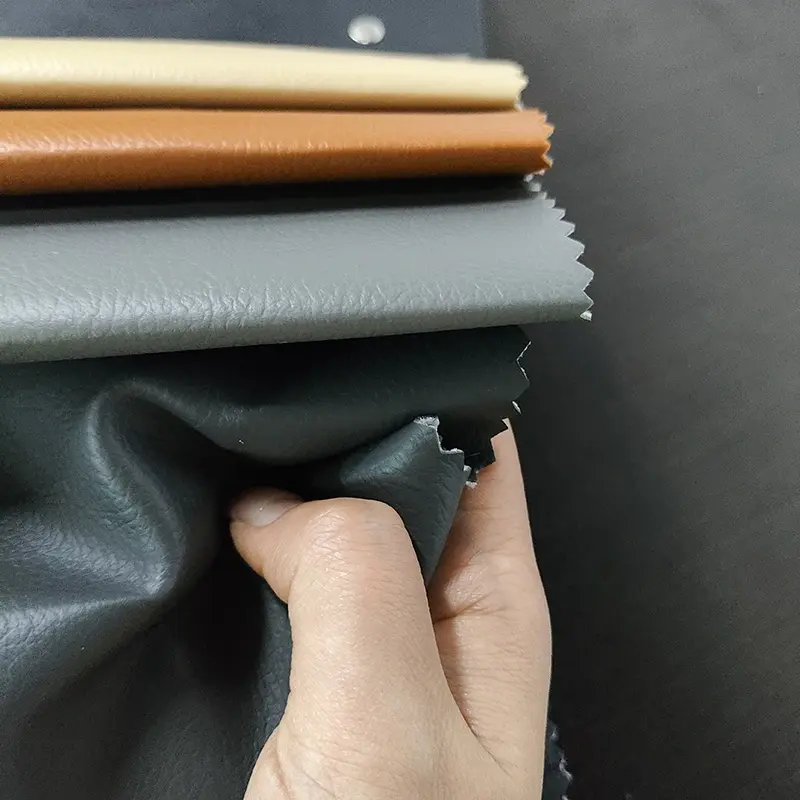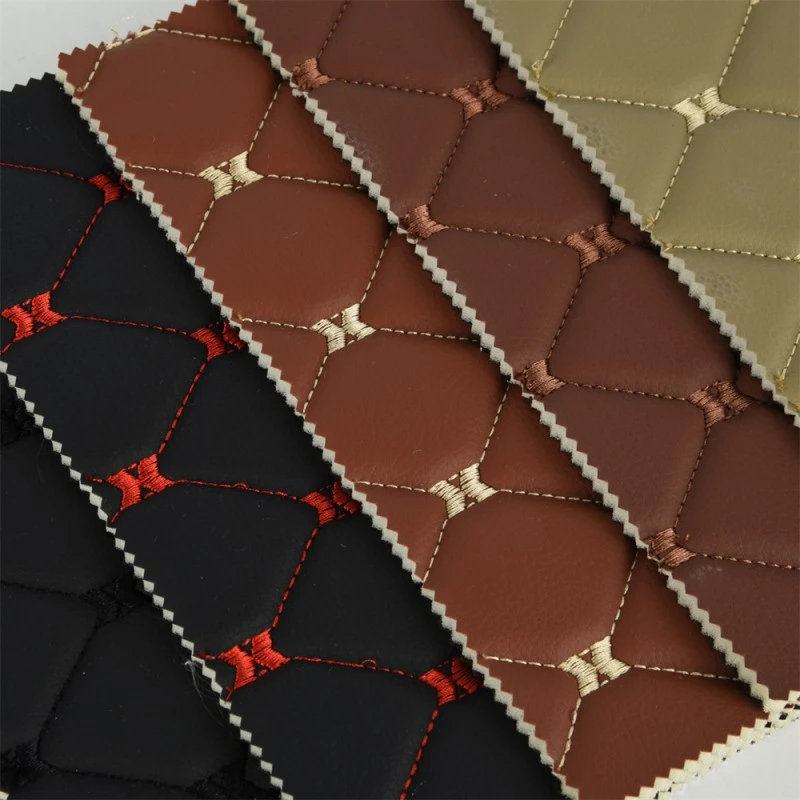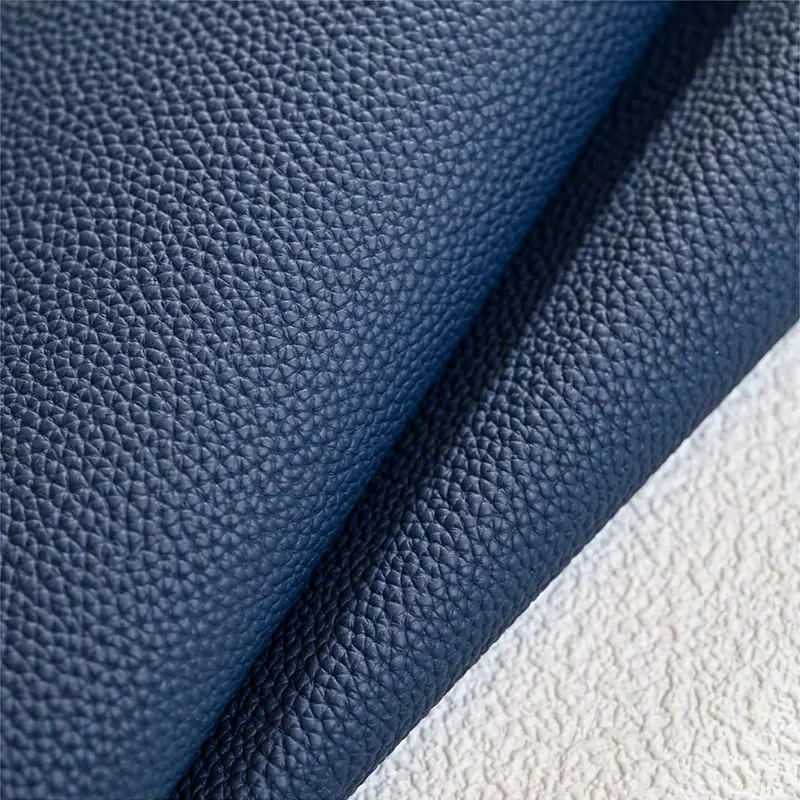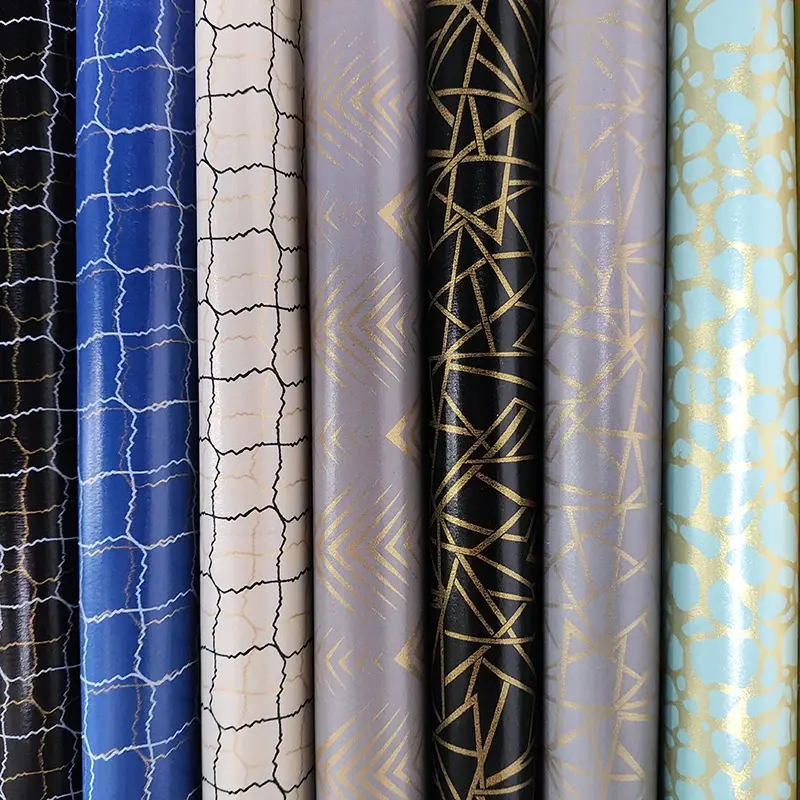
Choosing the right material for a book cover is never just about appearance. Buyers often need a surface that feels refined, resists daily wear, supports custom branding, and stays practical for production. Book Leather answers these concerns by combining an upscale look with flexibility, wipe-clean performance, and dependable durability.
In this article, we explore what makes Book Leather a preferred material for notebooks, diaries, albums, presentation folders, packaging, and premium publishing projects. We also look at common buyer pain points, compare material options, and explain how Ningbo Most-Textile Trading Co., Ltd. helps businesses choose solutions that align with both brand image and functional demands.
Book Leather is designed for products that need both visual appeal and day-to-day resilience. Unlike plain paper covers that can crease, stain, or wear out quickly, this material brings a more refined surface while offering better resistance to friction, handling, and environmental stress. For manufacturers and brand owners, that balance matters because the cover is the first thing customers see and the first area to show quality.
A strong cover material should do more than look premium on day one. It should also maintain a clean appearance after repeated use, allow attractive logo treatments, and work smoothly in production. That is exactly why more buyers are turning to Book Leather for journals, hardcover notebooks, albums, menus, and presentation products where touch and appearance influence buying decisions.
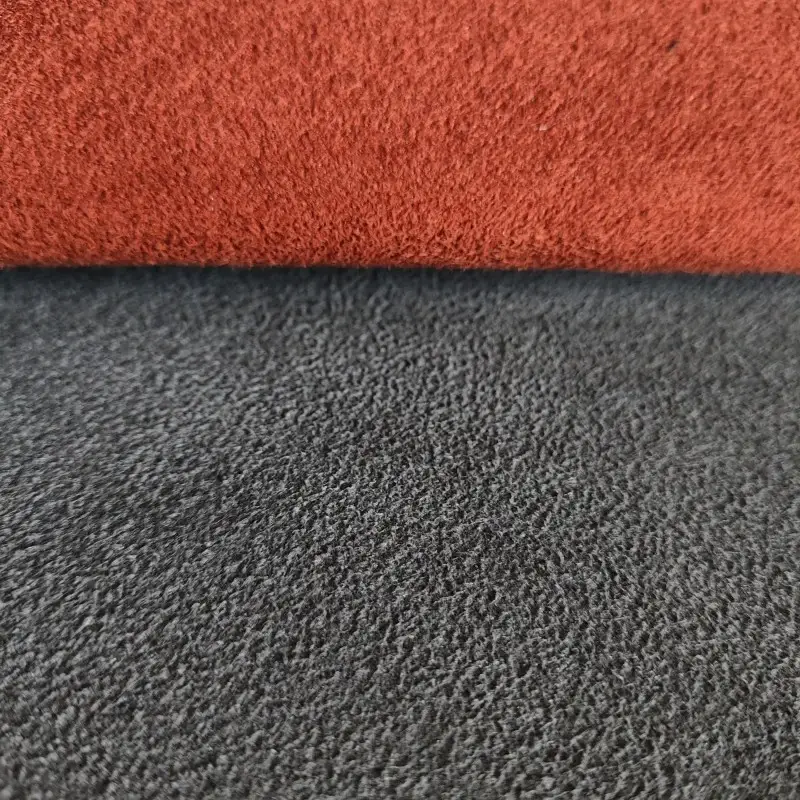
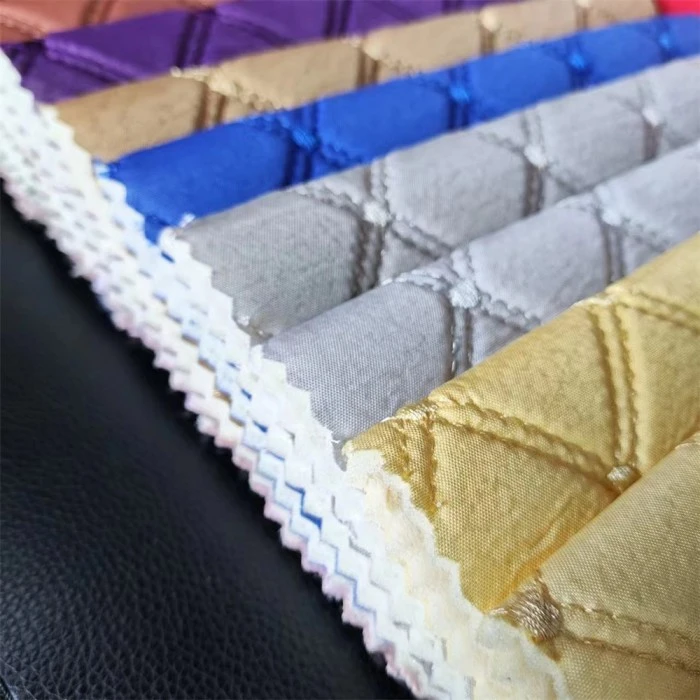
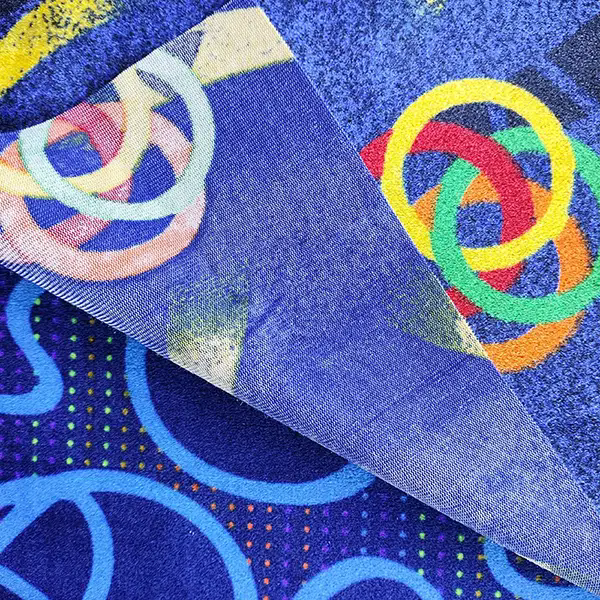
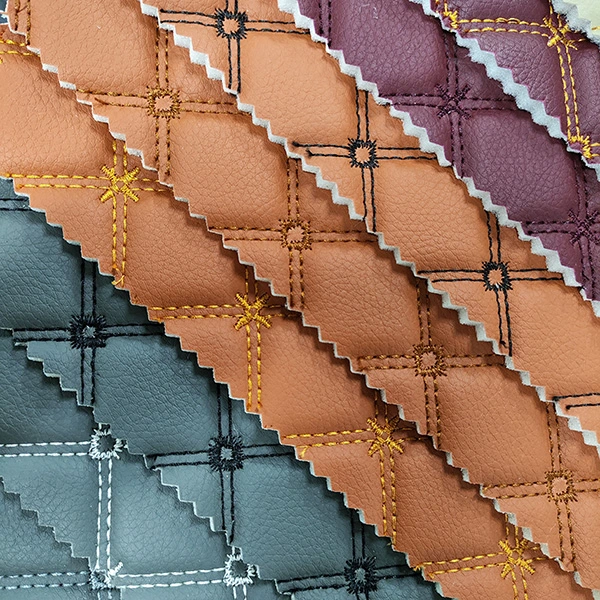
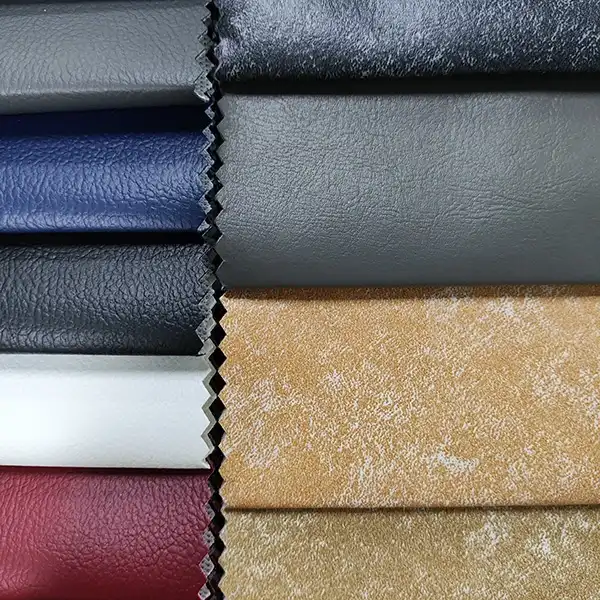
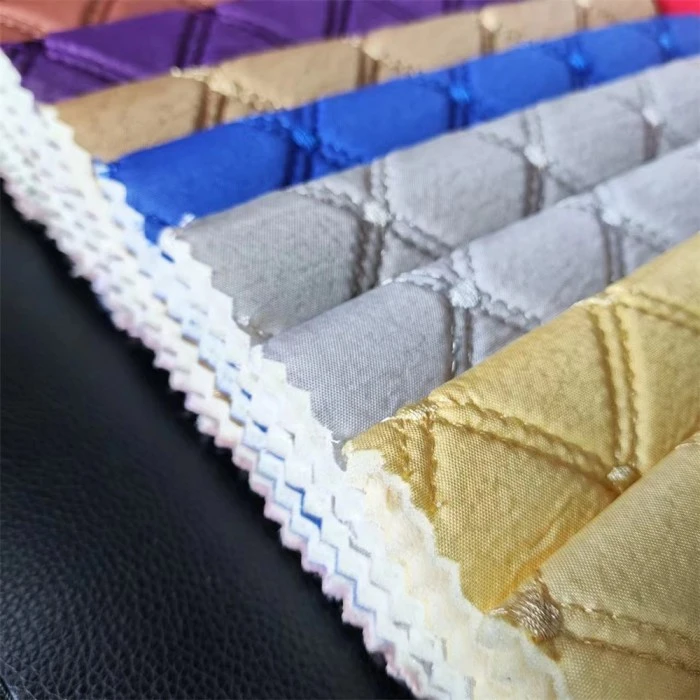
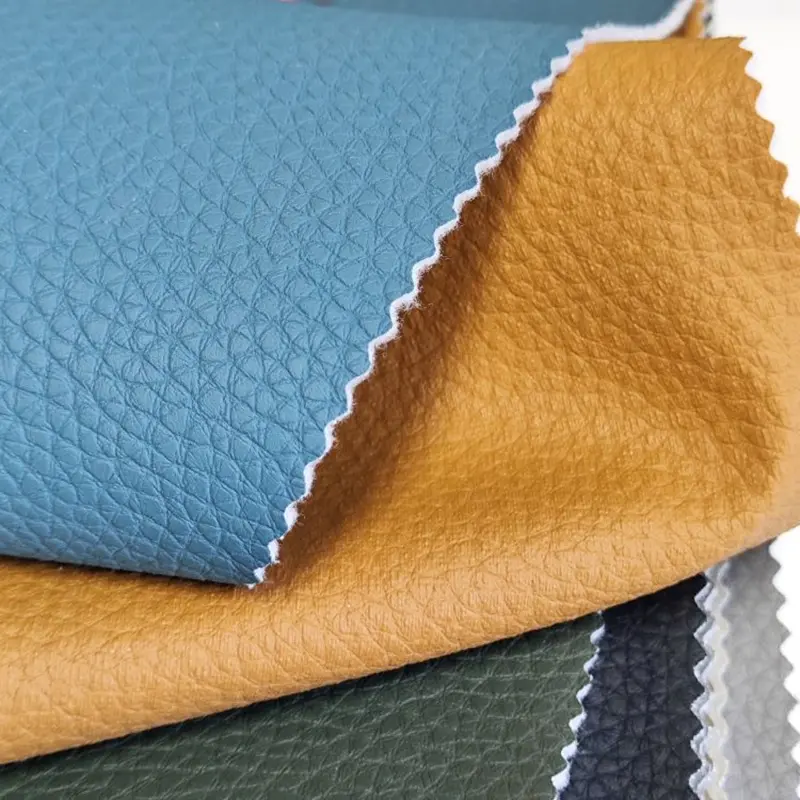
Another reason this material stands out is versatility. It can be produced in different textures, colors, and surface effects, making it suitable for classic, modern, minimalist, or luxury product styles. When a business wants consistency across a product line, flexible material options become a real advantage rather than a decorative extra.
Most customers shopping for cover materials are dealing with a familiar set of frustrations. Some have had products that looked good in photos but felt cheap in hand. Others have struggled with materials that cracked too quickly, showed stains easily, or could not support clean embossing and other branding details. In many cases, the issue is not price alone. It is the gap between expected value and actual performance.
Here are some of the most common pain points buyers want to solve:
This is where Book Leather becomes practical rather than decorative. It addresses not just style concerns but also product reliability, presentation quality, and buyer confidence. For businesses selling in competitive markets, that difference can directly affect repeat orders and end-user satisfaction.
The value of Book Leather becomes clear once we look at how products are actually used. A notebook may be carried daily in a backpack. A menu may be touched by dozens of people every day. A gift album may be kept for years as a keepsake. These scenarios all demand a material that holds up under pressure while still looking attractive.
These strengths are especially important for wholesalers and private-label buyers. End users may not know the technical details of the material, but they immediately notice how it feels, how it ages, and whether it reflects the intended quality level of the product.
| Buyer Need | How Book Leather Helps | Practical Result |
|---|---|---|
| Premium appearance | Offers refined textures and elegant finishes | Stronger shelf appeal and improved product positioning |
| Daily durability | Resists wear, wrinkles, and visible aging better than many basic materials | Longer service life and fewer complaints |
| Brand customization | Supports logos, embossing, and multiple visual effects | More distinctive brand presentation |
| Easy cleaning | Surface can be wiped and maintained with less effort | Neater products in real use environments |
| Product flexibility | Available in varied colors, grains, and thicknesses | Better matching for different projects and markets |
Buyers often compare several materials before placing an order. The right choice depends on the intended use, target price, and brand image. Still, when appearance, practicality, and production flexibility all matter, Book Leather usually holds a strong middle ground.
| Material | Main Advantage | Main Limitation | Best Fit |
|---|---|---|---|
| Paperboard Cover | Low cost and simple production | Lower durability and limited premium feel | Budget notebooks and short-term use items |
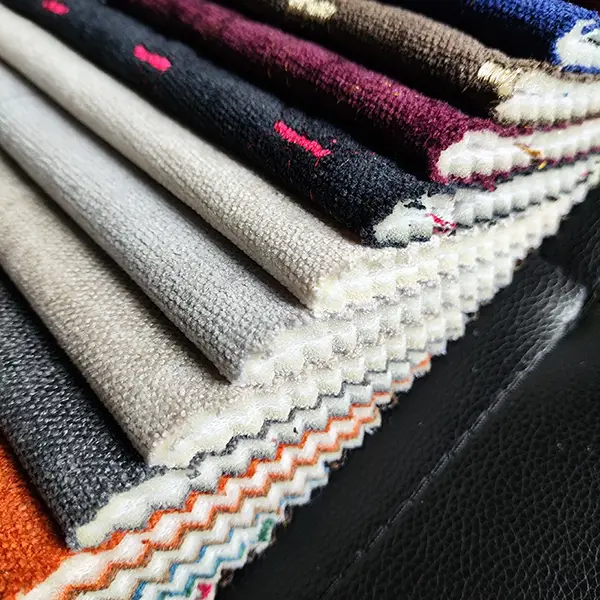
| Fabric Cover | Soft texture and decorative appearance | Can stain more easily and may be harder to clean | Decorative journals and specialty designs |
| Genuine Leather | Luxury image and natural feel | Higher cost and less accessible for many bulk projects | High-end limited products |
| Book Leather | Balanced appearance, durability, and customization | Requires careful supplier selection for consistent quality | Commercial notebooks, albums, menus, packaging, and branded products |
For many businesses, the goal is not to find the most expensive option. The real goal is to choose a material that supports the product promise. That is why Book Leather works so well for brands that want their products to look elevated without becoming impractical or difficult to scale.
Not every project needs the same texture, thickness, or visual effect. Choosing the right Book Leather starts with understanding how the product will be used and how the brand wants it to be perceived.
A simple way to evaluate options is to ask the following:
A capable supplier should guide buyers through these choices rather than simply offering a catalog. That support reduces trial-and-error costs and helps the final product match both market expectations and production realities.
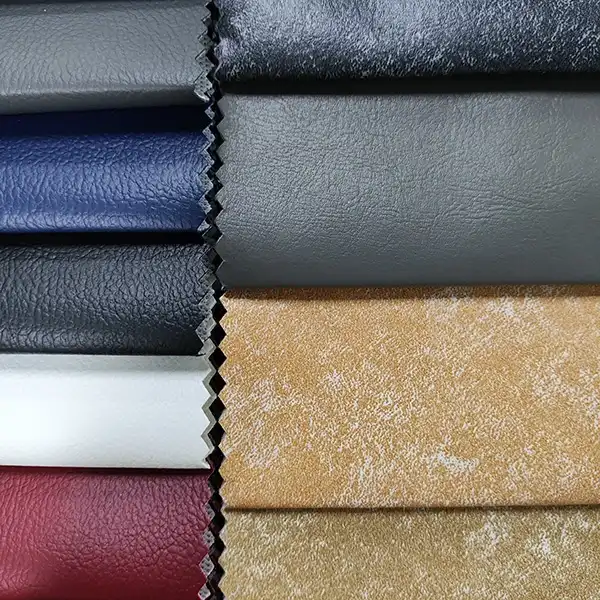
One of the strongest advantages of Book Leather is that its usefulness goes far beyond bookbinding. Once buyers understand its flexibility, they often apply it to a much wider range of products.
This wider application range gives wholesalers and distributors more opportunities to build repeat business. A material that works across multiple categories can simplify sourcing and strengthen a company’s product development strategy.
Even the best-looking material can create problems if supply is unstable or quality control is inconsistent. That is why choosing a dependable partner is just as important as choosing the material itself. A reliable supplier helps prevent mismatched batches, delayed production, poor communication, and disappointing sample-to-bulk differences.
Ningbo Most-Textile Trading Co., Ltd. understands that buyers are not just sourcing a cover material. They are protecting product quality, delivery timelines, and customer trust. For that reason, serious buyers often look for a supplier that can support customization, provide responsive communication, and help align the material with the intended application.
When supplier support is strong, the purchasing process becomes more efficient. Sampling becomes more meaningful, customization becomes easier to manage, and the final product has a better chance of succeeding in the market.
If your goal is to create a cover product that feels more refined, lasts longer, and supports stronger brand expression, Book Leather is a material worth serious consideration. It addresses the concerns that matter most to buyers, including durability, appearance, maintenance, and customization. More importantly, it helps transform a simple cover into a feature that customers can see and feel immediately.
The best material choice is never only about surface beauty. It is about how that surface performs over time, how it supports your design language, and how confidently it represents your brand in the market. With the right specifications and the right supplier, Book Leather can become a smart long-term solution for a wide range of publishing, stationery, and packaging products.
Looking for a reliable source of Book Leather that matches your product goals and branding needs? Reach out to Ningbo Most-Textile Trading Co., Ltd. for tailored material options, custom support, and a practical solution for your next project. If you are ready to improve the look and performance of your covers, contact us today and start building a product line that leaves a stronger impression.