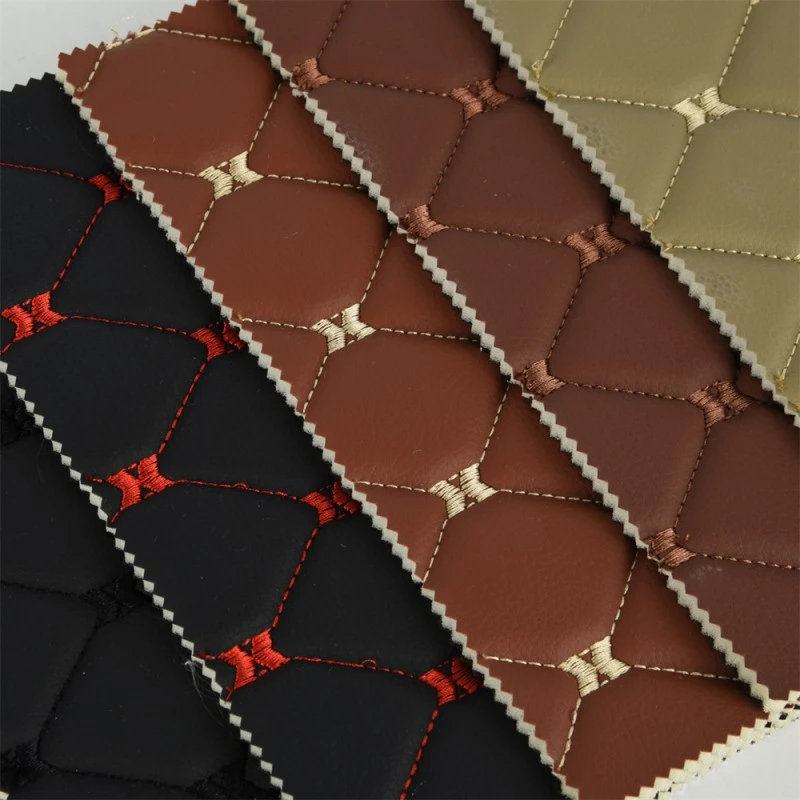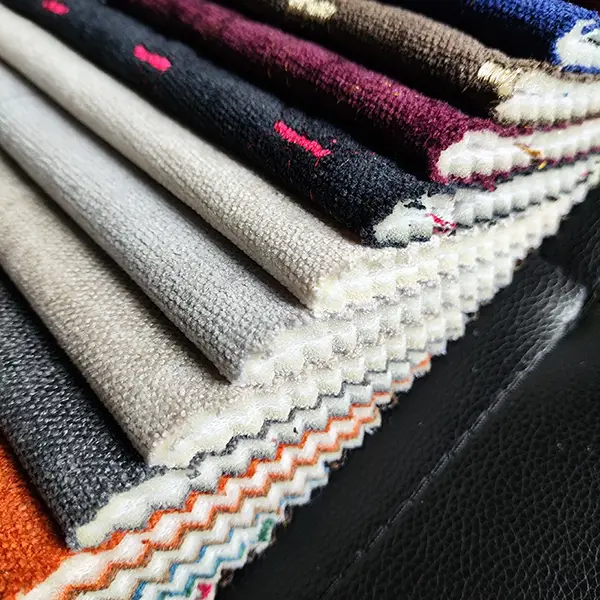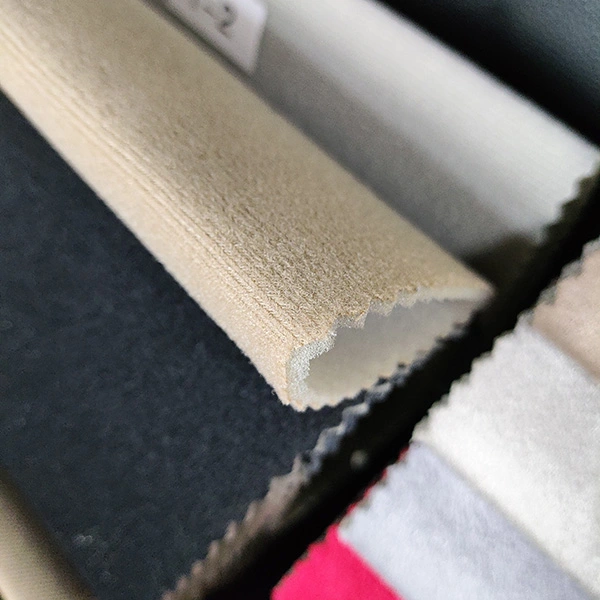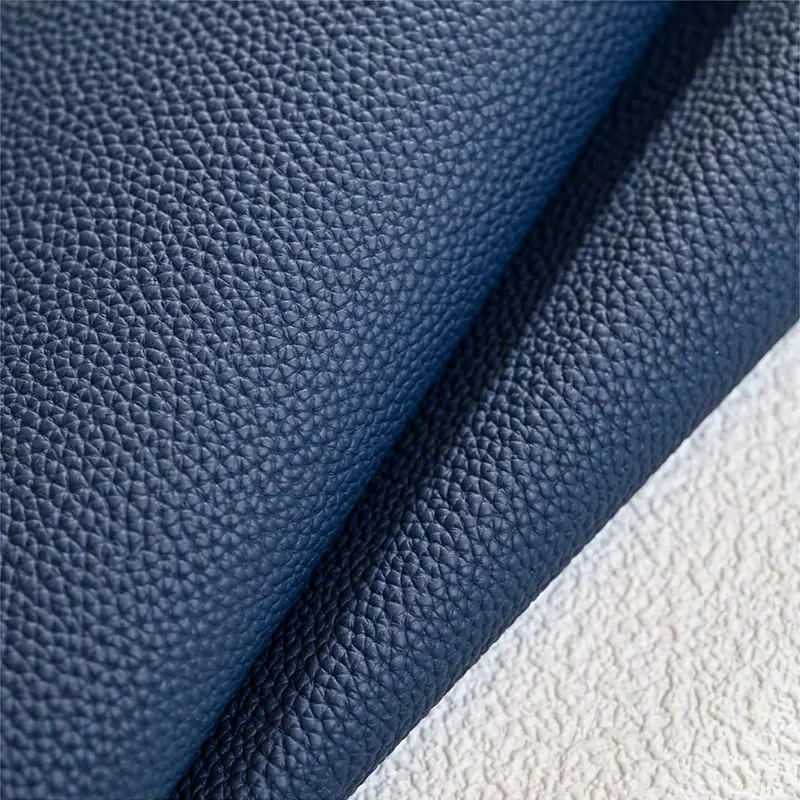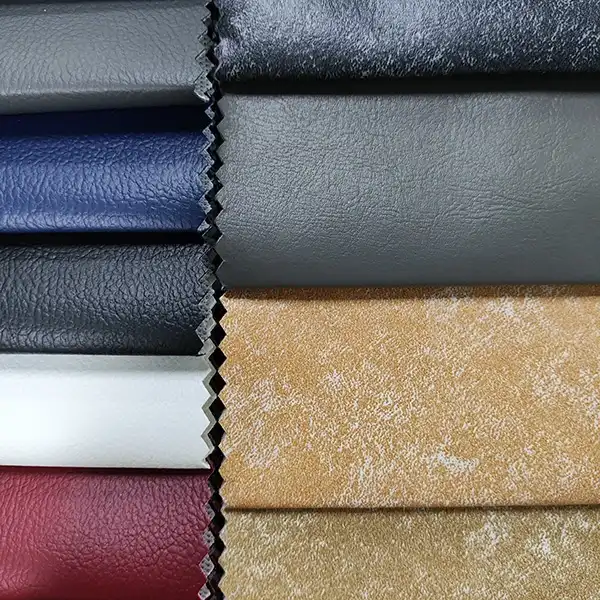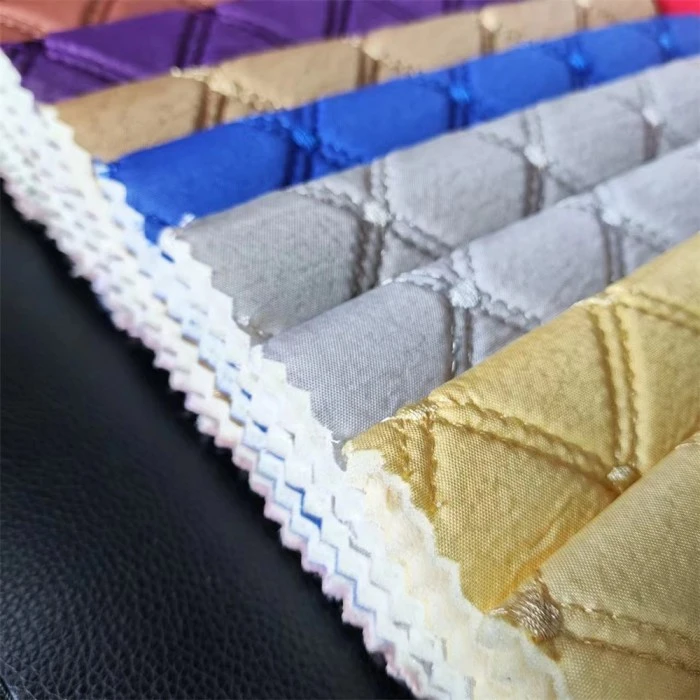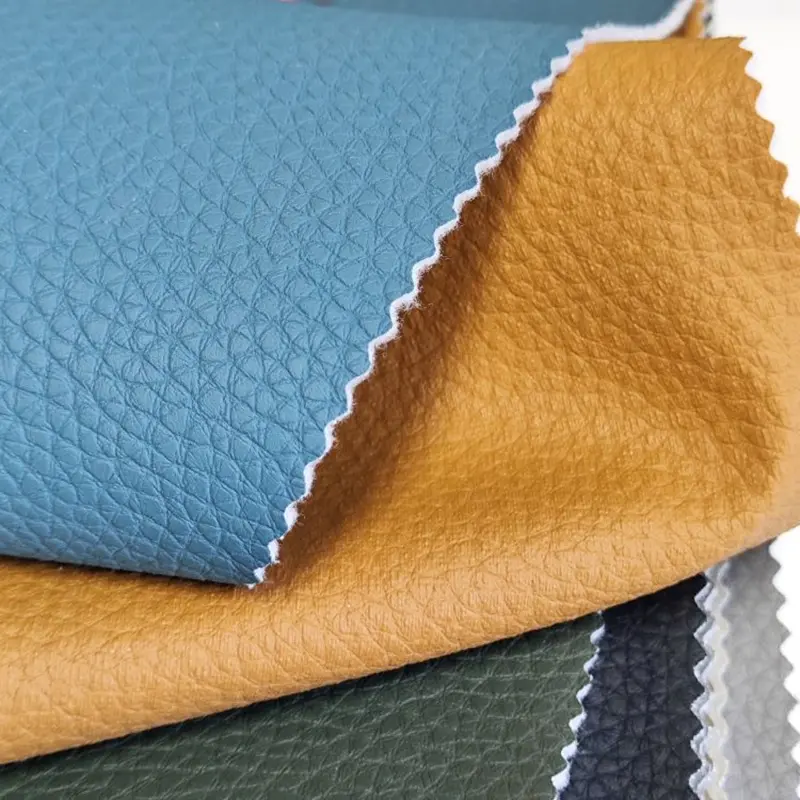
Article Summary: Printed Bus Fabric is a crucial component in modern public transportation, combining durability, design flexibility, and passenger comfort. This article provides a comprehensive guide to understanding printed bus fabric types, technical specifications, selection criteria, and common industry questions to help operators and designers make informed decisions.
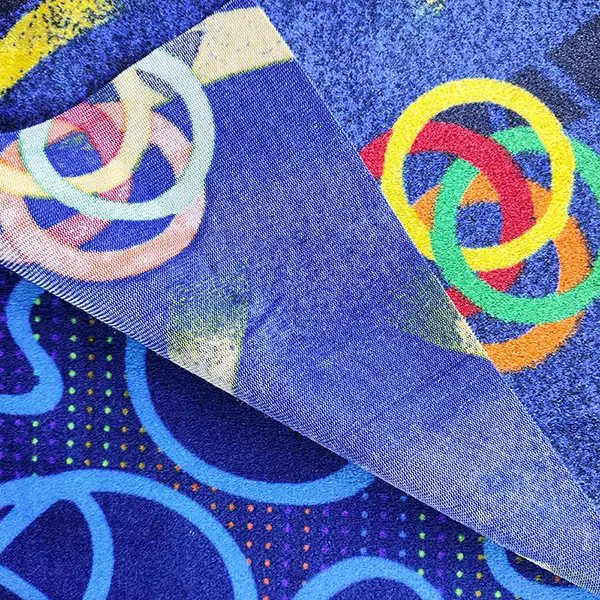
Printed Bus Fabric is a specialized upholstery material designed specifically for public transport seating. It provides a combination of high durability, stain resistance, and design versatility, making it suitable for buses, trams, and coaches. The primary purpose of this article is to explore the selection criteria, material specifications, maintenance techniques, and practical applications of printed bus fabric.
In modern transport interiors, passenger comfort and aesthetic appeal are critical. Printed Bus Fabric offers an opportunity to enhance both. The article focuses on answering key questions such as:
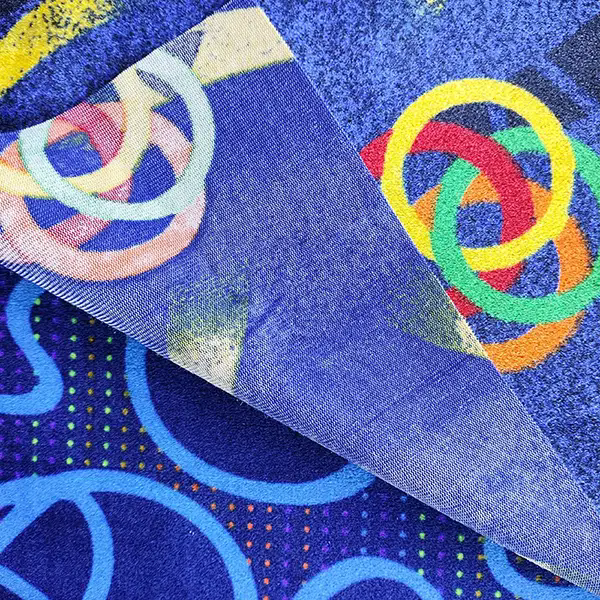
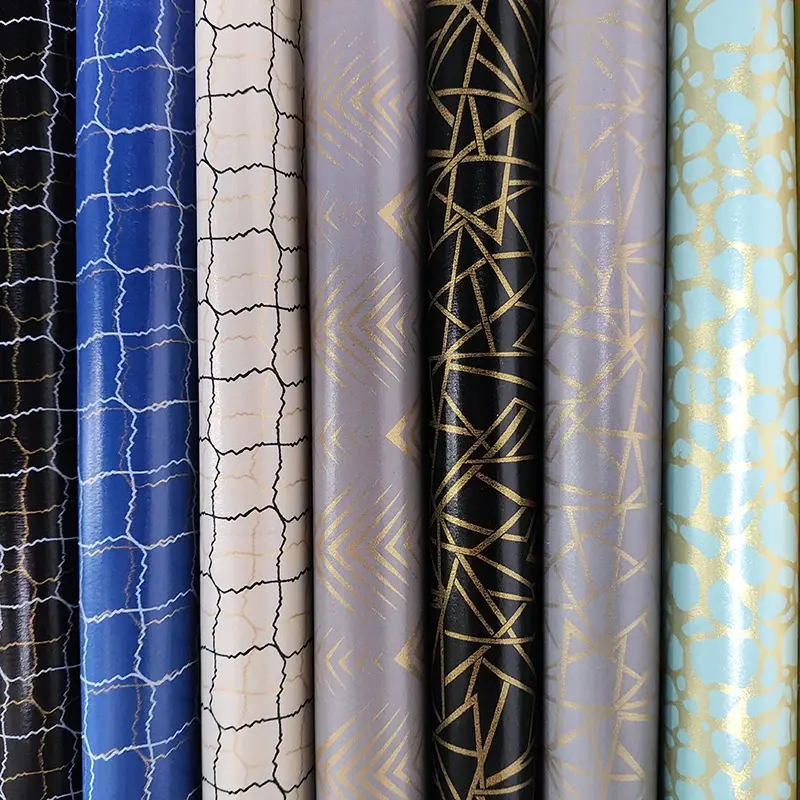
Printed Bus Fabric is manufactured using a variety of techniques, including digital printing, dye sublimation, and woven patterns. The selection of the right type depends on performance requirements, budget, and desired design aesthetics. The following table summarizes typical technical parameters:
| Parameter | Specification |
|---|---|
| Material Composition | Polyester 100% / Polyester Blend / Flame-retardant Treated Fabric |
| Fabric Weight | 350–550 g/m² |
| Width | 140–160 cm |
| Flame Retardancy | Compliant with FMVSS 302 / BS 5852 |
| Color and Design | Customizable prints, geometric patterns, abstract designs, logos |
| Durability | Martindale Abrasion Resistance: ≥50,000 rubs |
| Maintenance | Machine washable, stain-resistant treatment available |
These parameters are essential for operators to consider when selecting printed bus fabric to ensure safety, long-term durability, and aesthetic consistency.
Printed bus fabric is engineered to withstand continuous usage in public transportation environments. Abrasion resistance is typically measured using the Martindale method, with high-quality fabrics rated at ≥50,000 rubs, ensuring several years of service without significant wear.
Maintenance of printed bus fabric involves routine cleaning using vacuuming, damp cloth wiping, and mild detergent solutions. Stain-resistant coatings further simplify care. For severe stains, professional cleaning services may be employed to preserve both color integrity and material structure.
Flame retardant printed bus fabric is treated with specialized chemical compounds that reduce flammability and inhibit fire propagation. Compliance with standards such as FMVSS 302 and BS 5852 ensures safety in passenger transport applications.
Design selection is influenced by brand identity, passenger demographics, and visual ergonomics. Geometric and abstract prints are popular for urban transport, while custom logos or motifs are used for premium services. Colorfastness and resistance to fading under UV exposure are critical for long-term visual quality.
With proper selection and maintenance, high-quality printed bus fabric can last 5–8 years in high-traffic buses. Durability depends on abrasion resistance, UV stability, and cleaning practices. Fabrics with reinforced backing or treated finishes extend service life further.
Choosing printed bus fabric involves balancing multiple factors:
Regular inspection and cleaning are essential for preserving both visual appeal and functional performance. Implementing a cleaning schedule aligned with passenger traffic intensity minimizes fabric deterioration. Immediate stain treatment and professional deep cleaning help maintain fabric quality.
The transport sector is increasingly adopting sustainable printed bus fabrics using recycled polyester and eco-friendly dyes. Digital printing enables highly customizable designs, meeting the dual demand for aesthetics and safety compliance. Manufacturers are investing in fabrics with anti-microbial and odor-resistant treatments to enhance passenger comfort.
Printed Bus Fabric remains a cornerstone in modern transport interiors, providing a balance of durability, design versatility, and safety. Companies like Most-Textile specialize in delivering high-quality printed bus fabrics that meet international standards, ensuring comfort, style, and long-lasting performance. Operators and designers are encouraged to evaluate material specifications carefully, adopt proper maintenance protocols, and leverage innovative designs to optimize passenger experience.
For inquiries and professional consultation on Printed Bus Fabric, contact us to learn more about our products and services.