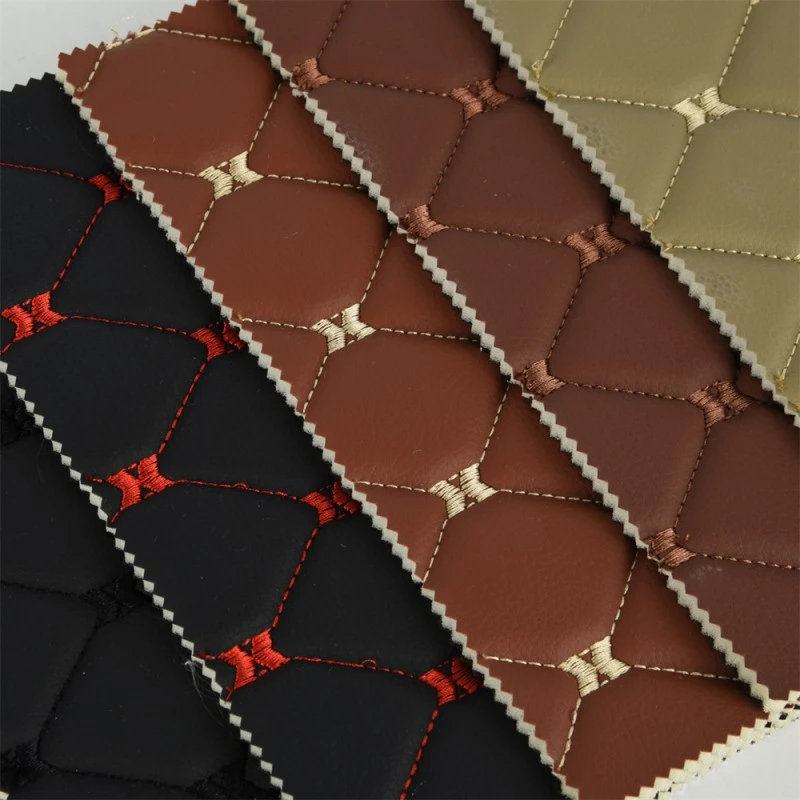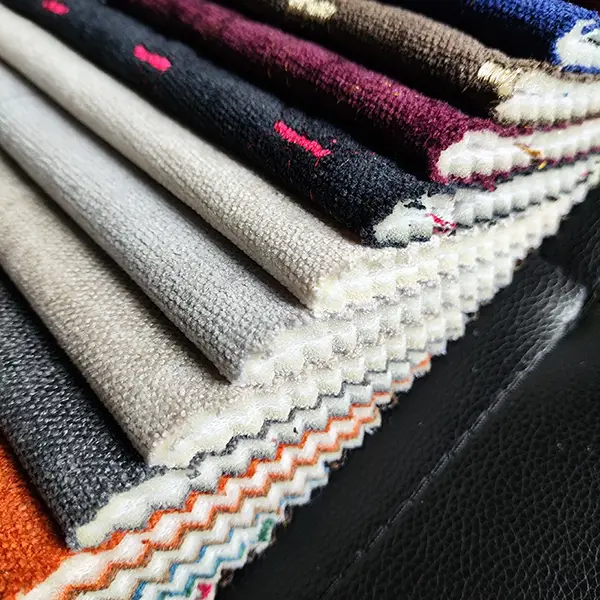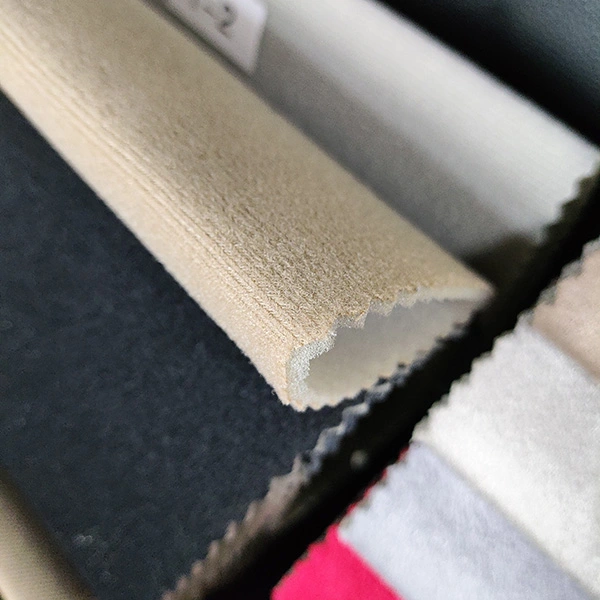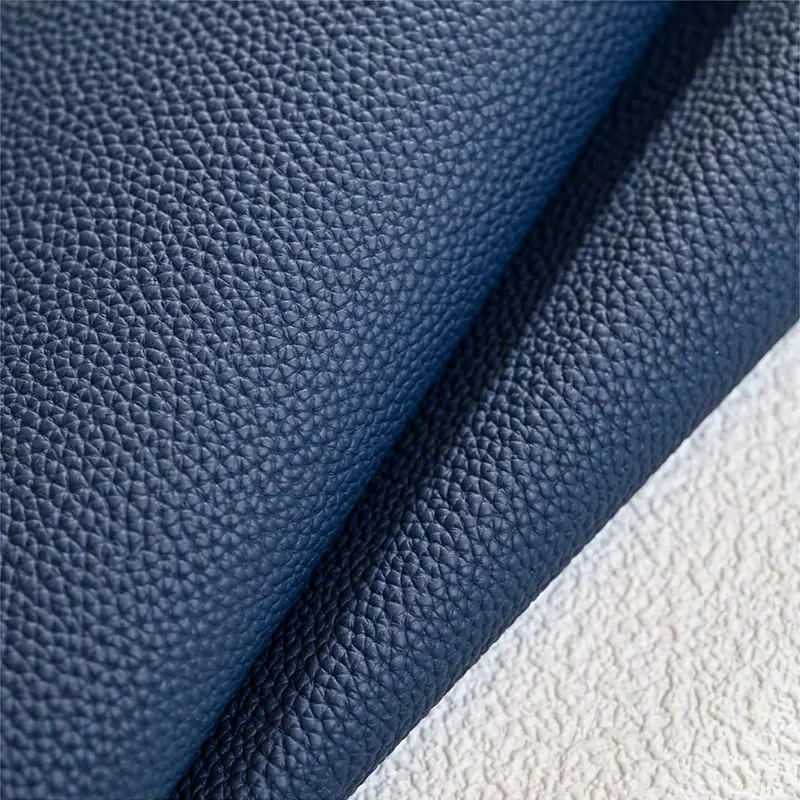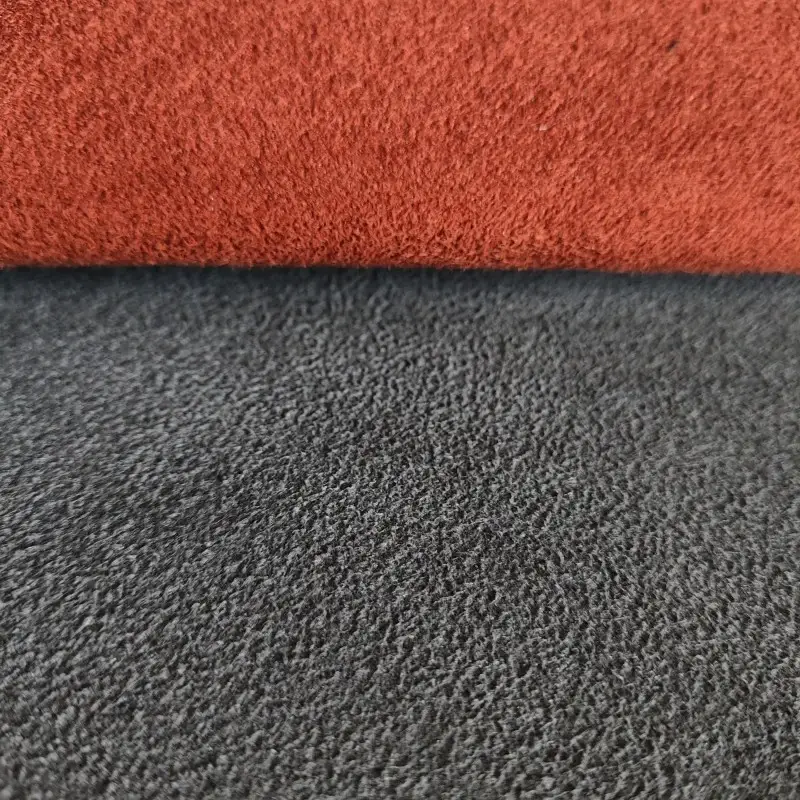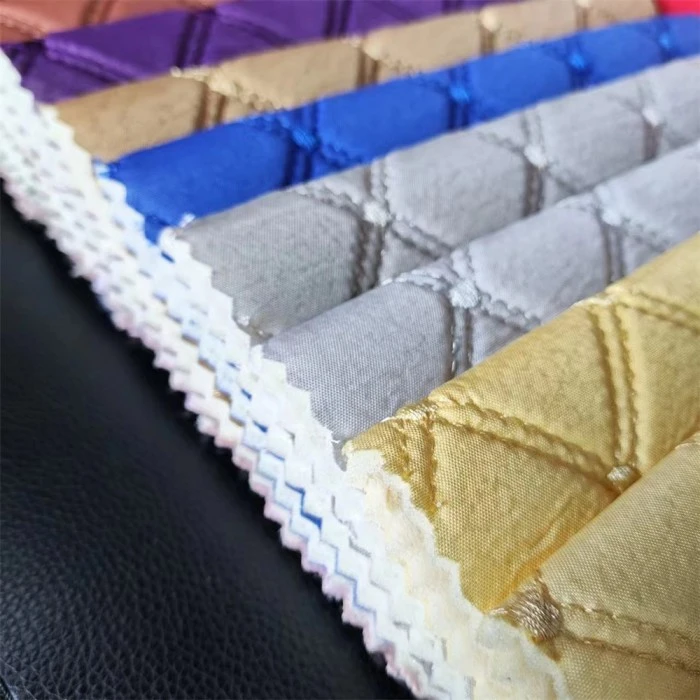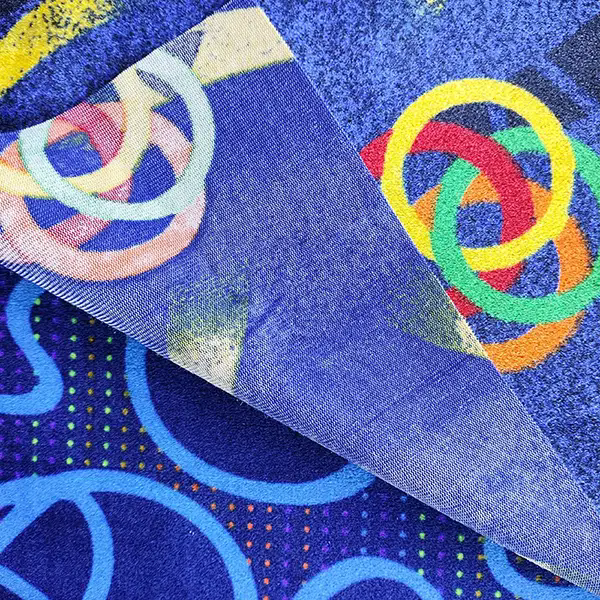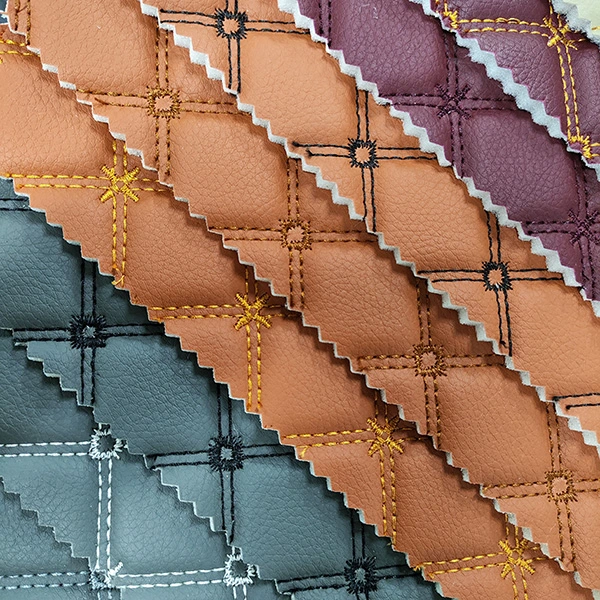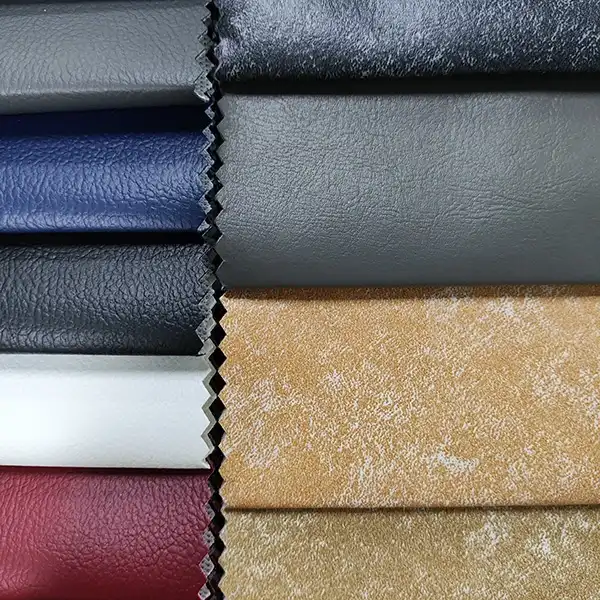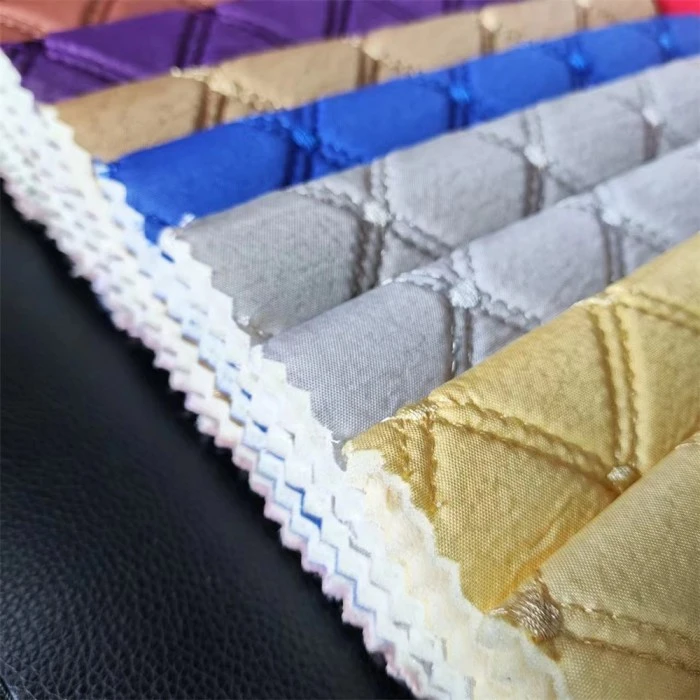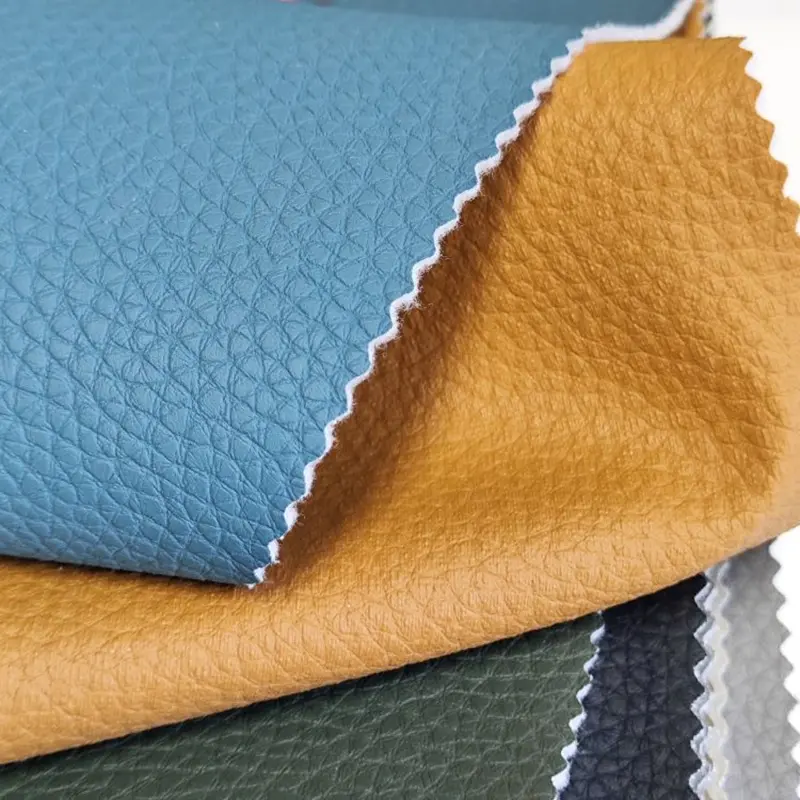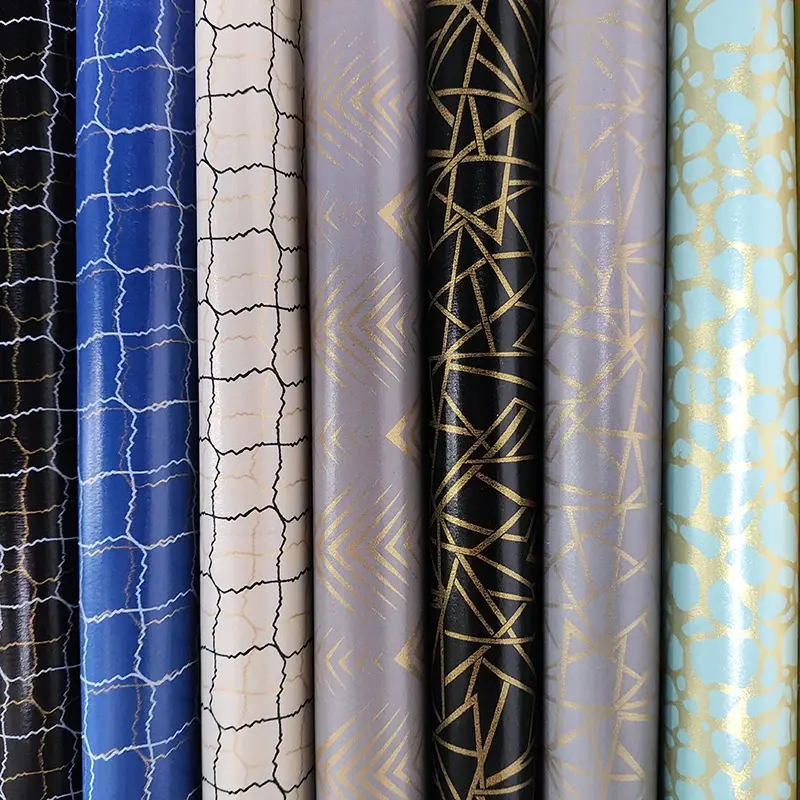
Book Leather is a specialized material developed for hardcover books, archival bindings, notebooks, albums, and premium stationery. It is engineered to balance durability, tactile quality, and aesthetic consistency while meeting the mechanical and environmental requirements of modern publishing.
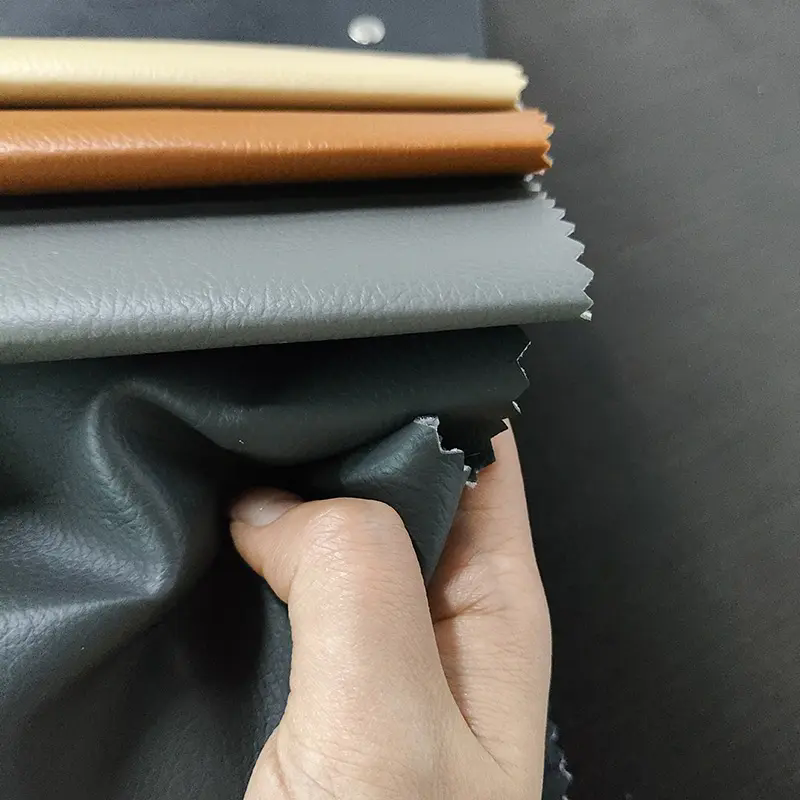
The production of Book Leather is not limited to surface appearance; it is a controlled process designed to ensure structural integrity, flexibility, and compatibility with binding equipment. Depending on the application, Book Leather may be produced from genuine leather, regenerated leather fiber, or advanced synthetic substrates. Regardless of type, the core manufacturing objectives remain consistent.
During the base material preparation stage, raw hides or substrate sheets are processed to achieve uniform thickness and tensile stability. This step is critical, as uneven density can lead to warping or cracking during binding and long-term storage. The material is then treated to enhance flexibility, ensuring that repeated opening and closing of a book does not cause surface failure at the spine or hinges.
Surface finishing follows, where texture, grain pattern, and color consistency are controlled. For Book Leather used in commercial publishing, finishes are often calibrated to resist abrasion, staining, and fading under standard library or retail conditions. Advanced coating techniques may also be applied to regulate moisture exchange, reducing the risk of mold growth or brittleness over time.
Equally important is compatibility with adhesives and sewing methods. Book Leather must bond reliably with paperboard, endpapers, and reinforcing materials without chemical interaction that could degrade either component. Manufacturers therefore test adhesion performance under varying temperature and humidity conditions to ensure stability throughout the product lifecycle.
Material parameters play a decisive role in determining whether Book Leather is suitable for a specific publishing or binding project. These parameters are typically defined during product development and verified through standardized testing. Below is a consolidated overview of commonly specified technical attributes used by publishers and binders when evaluating Book Leather.
| Parameter | Typical Specification Range | Relevance to Bookbinding |
|---|---|---|
| Thickness | 0.6 mm – 1.4 mm | Influences cover rigidity and spine flexibility |
| Tensile Strength | ≥ 10 MPa | Ensures resistance to tearing during handling |
| Elongation at Break | 30% – 60% | Supports repeated opening without cracking |
| Abrasion Resistance | ≥ 1,000 cycles | Maintains surface integrity over time |
| Color Fastness | Grade 4–5 | Prevents fading in retail and library environments |
| Moisture Resistance | Controlled absorption | Reduces deformation under humidity changes |
These parameters are not arbitrary. For example, thickness must be balanced carefully: excessive thickness can strain binding equipment, while insufficient thickness may compromise structural support. Similarly, abrasion resistance is essential for books intended for frequent handling, such as textbooks, reference volumes, and institutional publications.
Publishers also evaluate consistency across production batches. Color variation, texture deviation, or mechanical inconsistency can disrupt large-scale print runs. As a result, Book Leather suppliers often implement batch traceability systems and quality control protocols aligned with international publishing standards.
Selection criteria for Book Leather extend beyond technical data sheets. Publishers, designers, and binders consider the end-use environment, target audience, and expected lifespan of the book. For example, archival editions and limited prints may prioritize material stability and aging performance, while commercial runs focus on processing efficiency and visual uniformity.
In educational publishing, Book Leather is often chosen for its balance between durability and cost control. Covers must withstand frequent handling, shelving, and transportation without excessive wear. In contrast, art books and commemorative editions may require distinctive textures and deeper embossing capability, which influence the choice of substrate and finishing method.
Another factor is machinability. Book Leather used in automated binding lines must feed smoothly, cut cleanly, and respond predictably to folding and casing-in processes. Materials that resist cracking at low bend radii are particularly valued for spine applications.
Environmental compliance is also increasingly relevant. Many publishers now request documentation related to restricted substances, emissions, and sourcing transparency. While these considerations do not define Book Leather aesthetics directly, they significantly influence procurement decisions and long-term supplier relationships.
The bookbinding industry continues to evolve in response to changes in print technology, consumer preferences, and sustainability frameworks. Book Leather has adapted accordingly, with manufacturers refining formulations and surface treatments to align with modern requirements.
One notable adaptation is the improvement of lightweight structures that maintain mechanical strength while reducing material consumption. This supports efficient logistics and compatibility with high-speed binding systems. Additionally, surface engineering techniques now allow for more precise replication of natural grain patterns, meeting aesthetic expectations without relying solely on traditional raw materials.
Customization capability has also become a defining factor. Publishers increasingly request tailored colors, textures, and embossing responses to differentiate their products in competitive markets. Book Leather designed for such customization must maintain consistent performance across variations, requiring advanced process control during manufacturing.
From a supply-chain perspective, responsiveness and scalability are critical. Book Leather suppliers must support both short-run specialty projects and high-volume commercial orders without compromising quality. This dual capability reflects the broader transformation of publishing toward flexible, demand-driven production models.
How does Book Leather perform under long-term storage conditions?
Book Leather is engineered to maintain structural stability under controlled storage environments. Properly processed materials exhibit resistance to cracking, discoloration, and deformation when stored away from excessive humidity, heat, and direct light.
How is Book Leather different from general upholstery or garment leather?
Book Leather is specifically designed for flat lamination, repeated flexing at narrow radii, and compatibility with paper-based substrates. Upholstery or garment leather typically prioritizes softness and drape, which may not meet the mechanical or adhesive requirements of bookbinding.
Within the global textile and material supply landscape, manufacturers with specialized experience play a key role in supporting publishers and binders. Most Textile provides Book Leather solutions developed to meet professional publishing standards, offering controlled specifications, consistent quality, and application-oriented support across diverse markets.
Collaboration between material suppliers and publishing professionals remains essential as production methods and reader expectations continue to evolve. For organizations seeking reliable Book Leather options tailored to specific binding and design requirements, engaging directly with experienced suppliers enables more efficient project execution and long-term material performance.
For further technical details, specification alignment, or project consultation, interested parties are encouraged to contact us to discuss application needs and production objectives in greater depth.