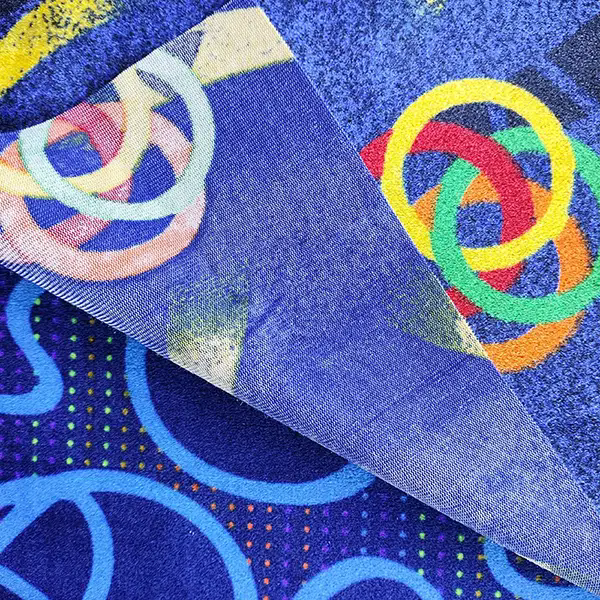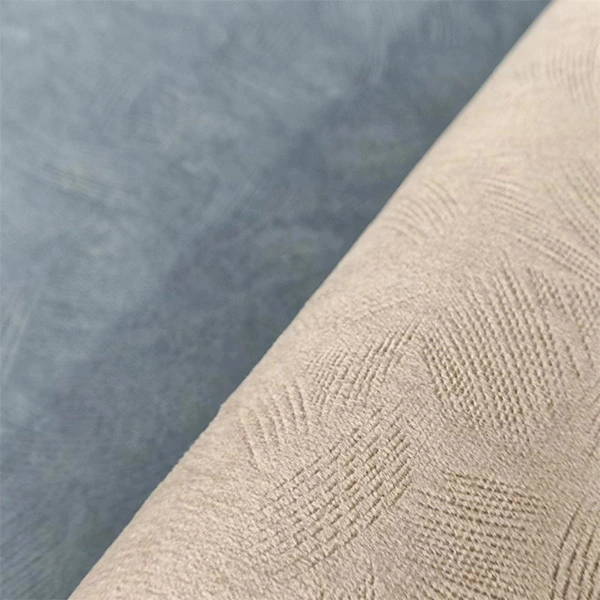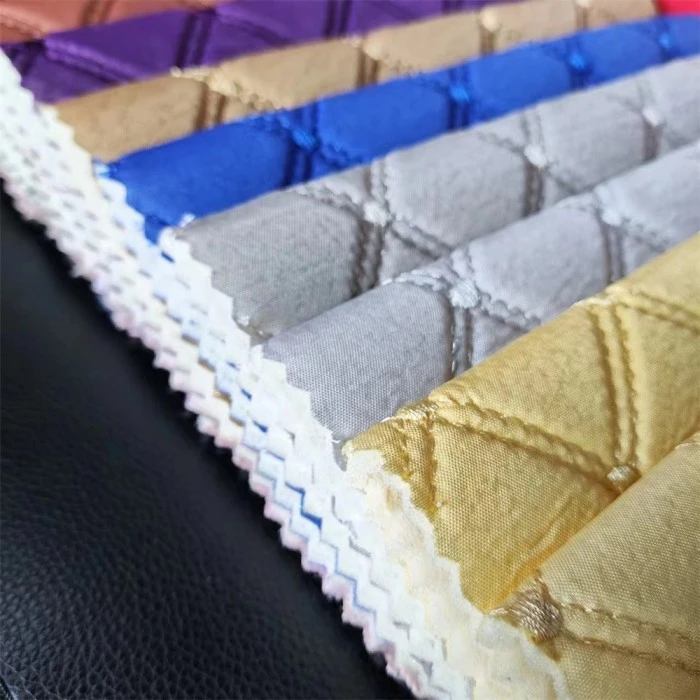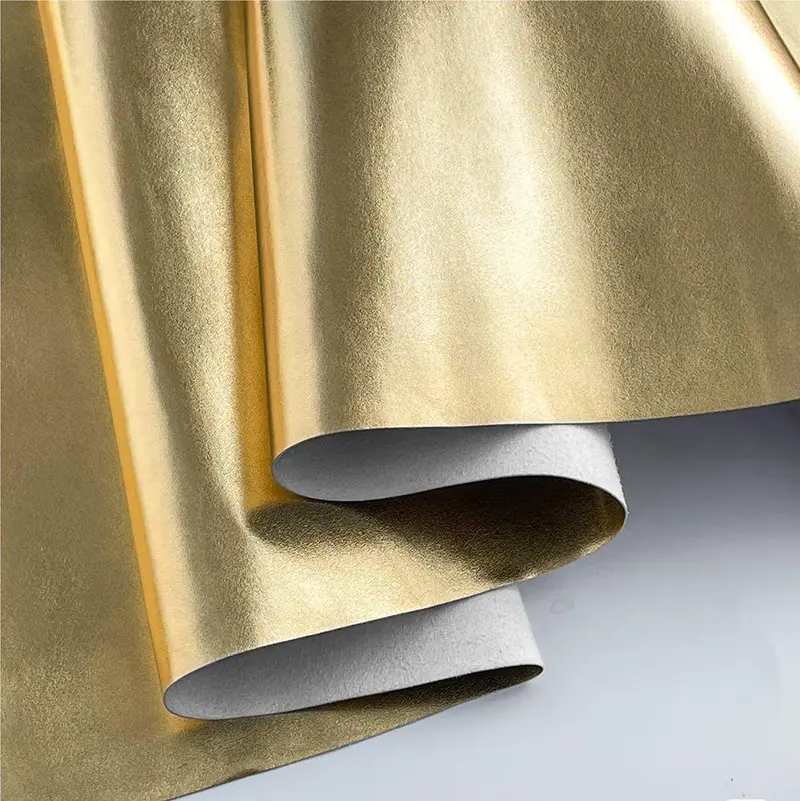
If you’ve ever ordered synthetic leather and ended up with unexpected odor, cracking after a season, uneven color lots, or “looks good in the sample but not in mass production,” you’re not alone. The term PU PVC Leather is often used casually, but the differences between PU-based and PVC-based constructions matter a lot when you care about softness, abrasion resistance, cold-weather performance, cost control, and compliance requirements.
In this guide, I’ll break down how PU PVC Leather is built, what specs actually predict real-world durability, and how to choose the right option for your application (without overpaying for features you don’t need). You’ll also get a simple buyer checklist, a comparison table, and a sampling plan you can apply immediately.
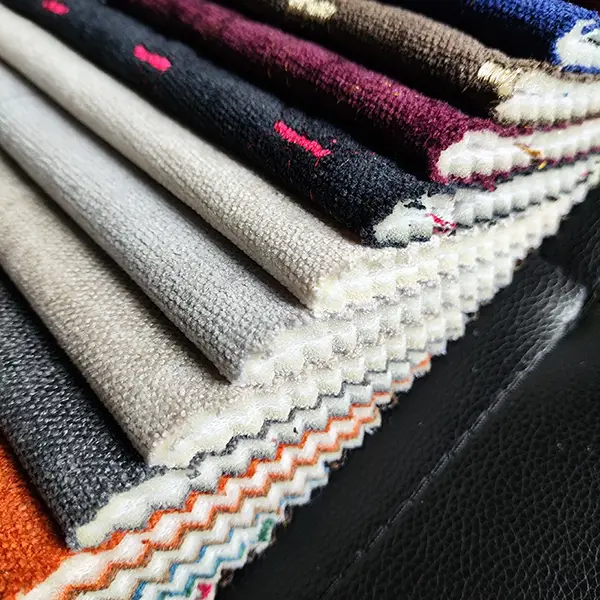
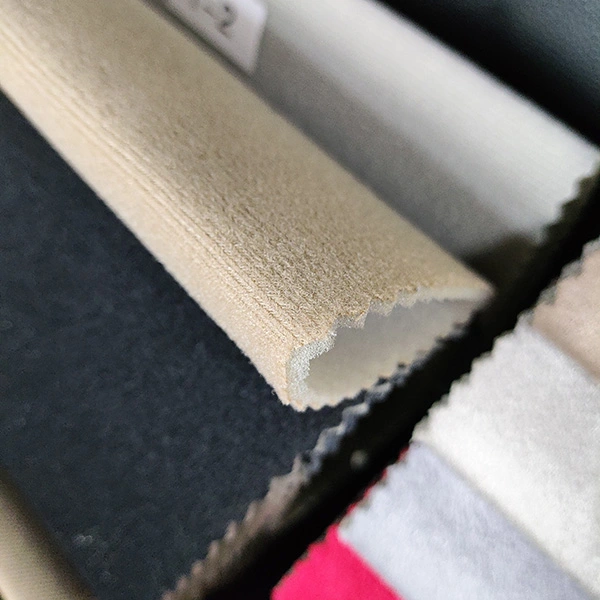
Think of PU PVC Leather as a family of layered materials. Your final result depends on the topcoat, the base fabric, the thickness distribution, and the additives chosen for flexibility, abrasion resistance, and aging. “PU” or “PVC” alone does not guarantee quality.
If your product must feel soft and premium in-hand, start with PU. If your priority is ruggedness and budget stability for high-wear environments, PVC is often a safer baseline—then fine-tune the specs.
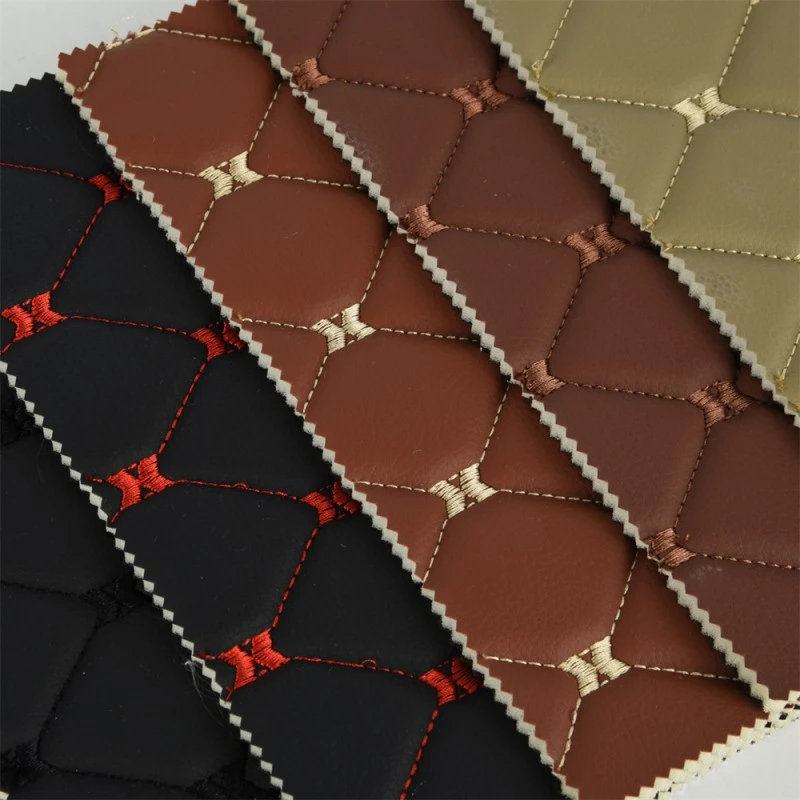
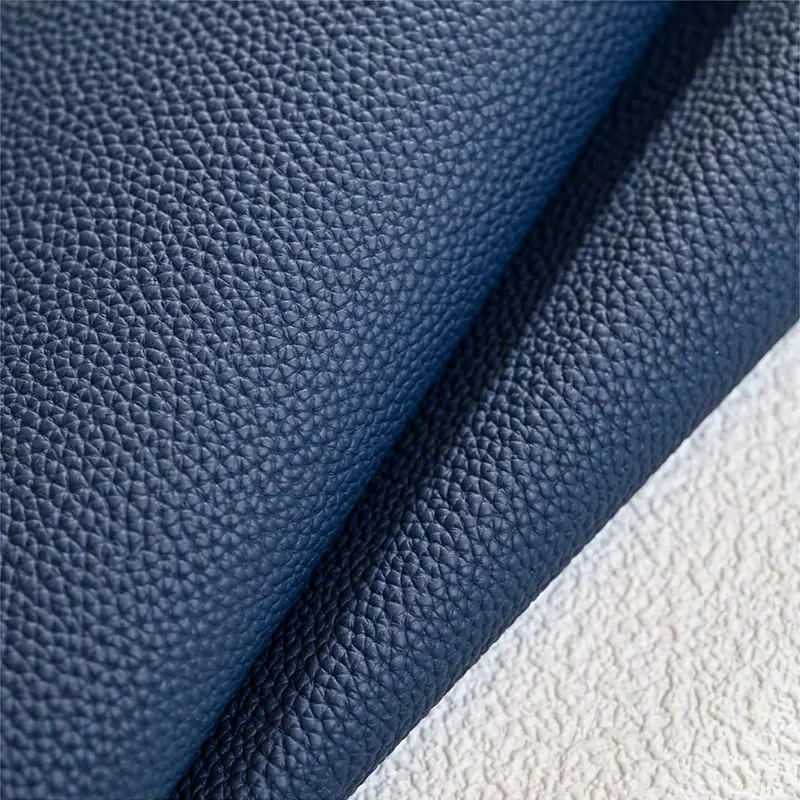
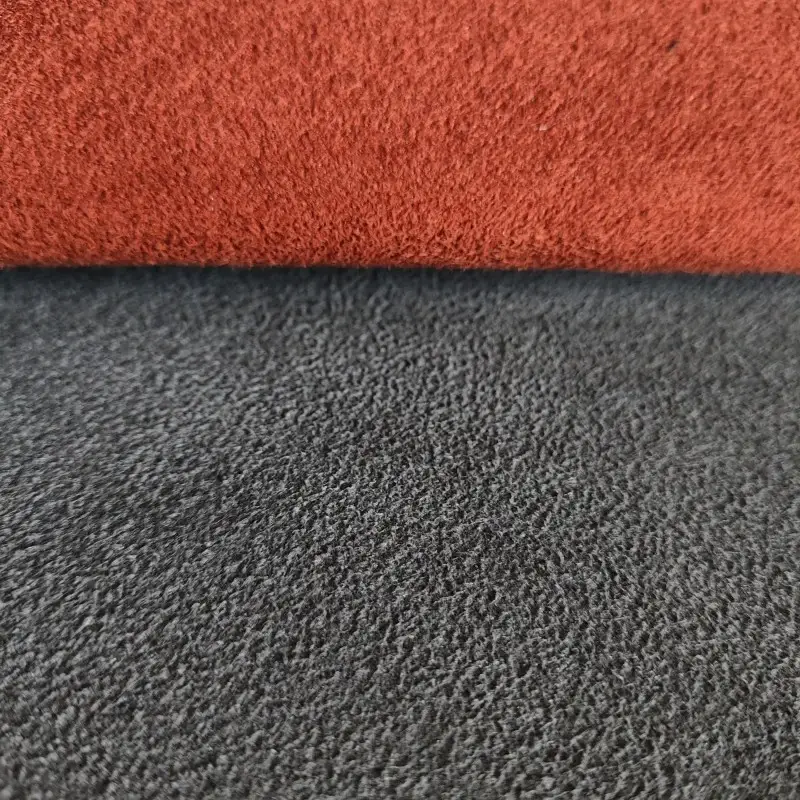
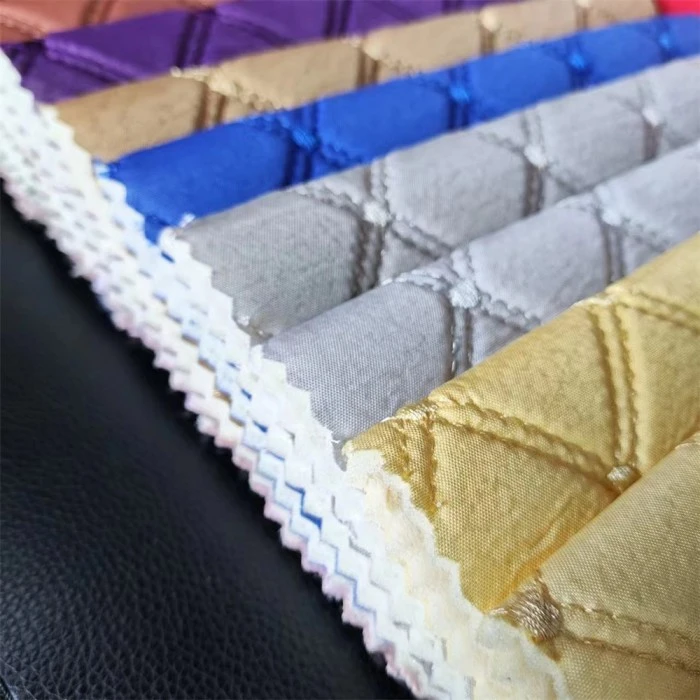
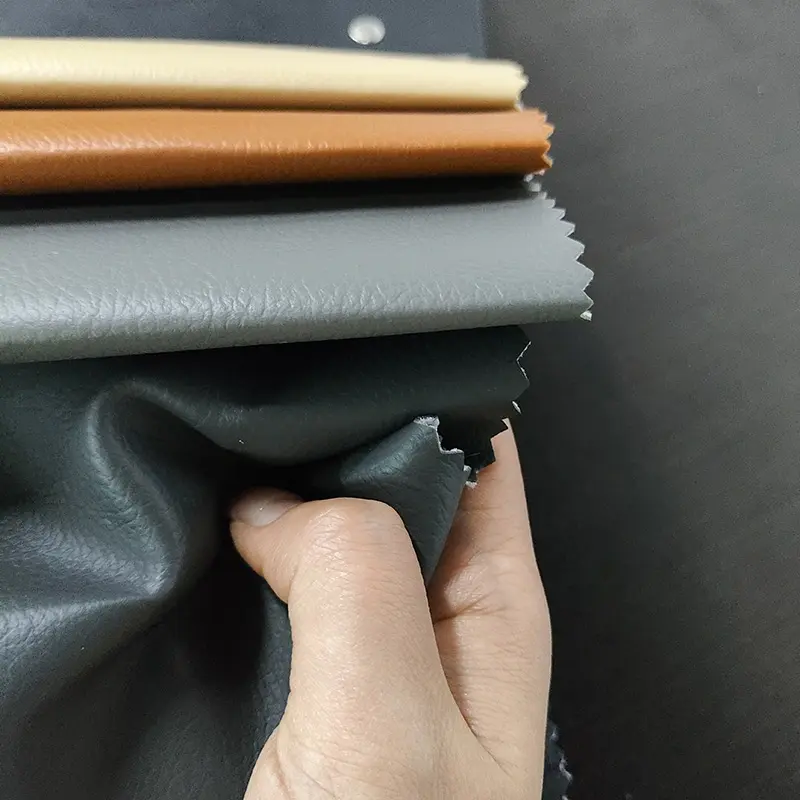
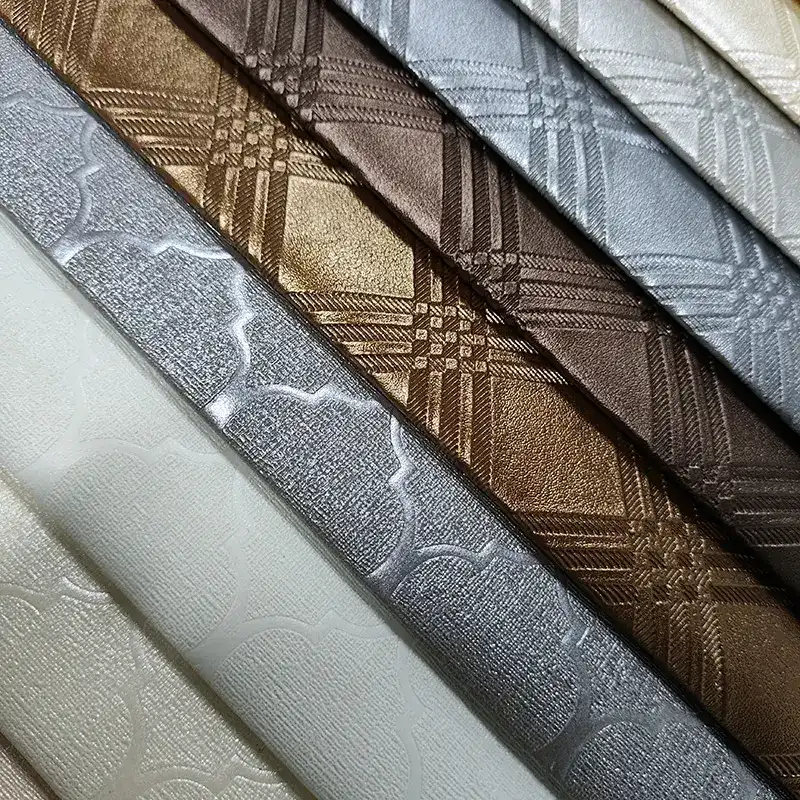
PU PVC Leather refers to synthetic leather made by bonding a polymer surface layer onto a textile backing. The “leather-like” appearance comes from the topcoat texture (grain, embossing) and the finishing process (matte, semi-gloss, high-gloss). The comfort and durability come from the full stack: topcoat + intermediate layers + fabric backing.
Many disputes happen because “PU” or “PVC” is specified, but the buyer didn’t lock down the backing type, thickness range, surface finish, or key test targets. That’s how you get a perfect sample roll and a disappointing bulk shipment later.
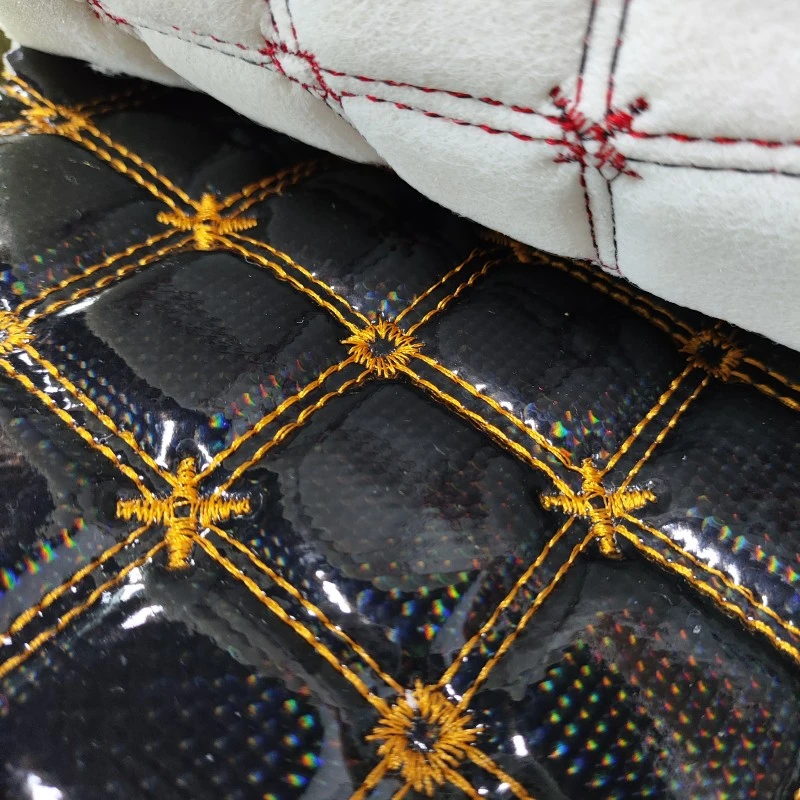
Most pain points aren’t random—they’re predictable outcomes of mismatched specs or inconsistent process control. Here are the problems I see buyers complain about most often with PU PVC Leather, and what usually causes them.
Don’t ask a supplier for “the best PU PVC Leather.” Ask for the right construction to hit your usage target, plus a repeatable test and tolerance range. That’s how you turn material buying into risk management.
Both can be great. Both can also be terrible if the construction is wrong. The table below is a realistic comparison for typical buyer scenarios—not a marketing pitch.
| What you care about | PU-based options | PVC-based options |
|---|---|---|
| Hand-feel and softness | Often smoother and more “leather-like,” easier to tune for premium touch | Can be firmer; can be softened but depends heavily on formulation |
| Abrasion and scuff resistance | Good when engineered well; may show wear sooner in harsh use if under-specified | Often very strong for daily scuffing, especially in commercial settings |
| Cold-weather flexibility | Frequently better for flexibility at lower temperatures (construction-dependent) | Can stiffen if not designed for cold; specify low-temp bend targets if needed |
| Cost predictability at scale | Can vary more by formulation and finish requirements | Typically stable for large-volume programs |
| Long storage behavior | Can be excellent with the right topcoat; poor formulas may hydrolyze or peel | May face additive migration or tackiness if not stabilized |
| Best-fit examples | Fashion bags, premium seating, soft-touch panels | Commercial upholstery, rugged covers, high-wear trims |
If you want consistent results with PU PVC Leather, these are the specs that actually protect you. You don’t need to memorize lab standards—you need a short list that matches your product risks.
Here’s how I’d think about selecting PU PVC Leather by category. This isn’t “one material wins” — it’s about matching the material behavior to the failure mode you can’t afford.
| Use case | Recommended direction | What to prioritize |
|---|---|---|
| Bags & fashion accessories | Often PU-forward | Hand-feel, fold endurance, rub resistance at strap/contact points, color consistency |
| Home upholstery | PU or PVC depending on wear | Abrasion, scratch, stain cleanability, breathability needs, matte stability |
| Commercial seating | Often PVC-forward | Scuff resistance, easy cleaning, predictable bulk output, stable cost |
| Footwear uppers | PU-forward (commonly) | Flex cracking resistance, adhesion with glues, breathability strategy, lightweight backing |
| Automotive interiors | Engineered PU/PVC programs | Heat aging, UV resistance, low fogging/odor targets, colorfastness, scratch |
If you’re launching a new SKU, choose one “safety spec” that protects your brand (like abrasion or low-temp bend), and one “aesthetic spec” that protects the customer experience (like gloss level or hand-feel). Together they prevent most disappointments.
Sampling is where most buyers either save themselves… or walk into a problem they won’t see until production is already running. For PU PVC Leather, I recommend sampling in layers:
Always test the material after it sits for a short period (not only fresh from the factory). A few days of rest can reveal tackiness, odor, or surface behavior that a same-day inspection misses.
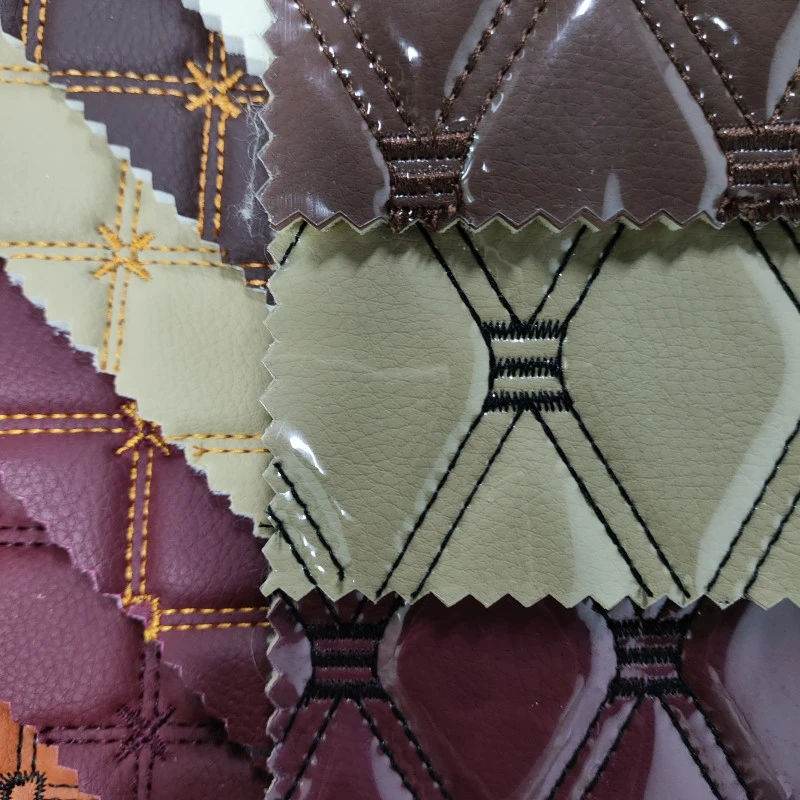
You don’t need a full lab to catch the most common issues with PU PVC Leather. These quick checks help you screen problems before they become expensive claims:
A strong supplier relationship is less about promises and more about shared documentation. When you place repeat orders for PU PVC Leather, stability comes from a clear spec sheet, a controlled sampling process, and a feedback loop that stops small issues from becoming recurring defects.
If you’re sourcing through Ningbo Most-Textile Trading Co., Ltd., the best way to reduce risk is to align on three things early: the exact surface finish (including gloss direction), the backing construction, and the performance targets that reflect your real environment. When those are locked, the rest becomes process—and process is repeatable.
The smartest way to buy PU PVC Leather is to treat it like an engineered material system—not a generic commodity. When you connect your real-world use case to a short, clear spec set, you get fewer disputes, more stable production, and a better customer experience at the end of the chain.
Tell us your application, target feel, color direction, and performance priorities. We’ll suggest a suitable PU PVC Leather construction and a sampling plan that helps you move from “nice swatch” to confident bulk production. If you want fewer surprises and more consistent deliveries, contact us and start your inquiry today.
contact us