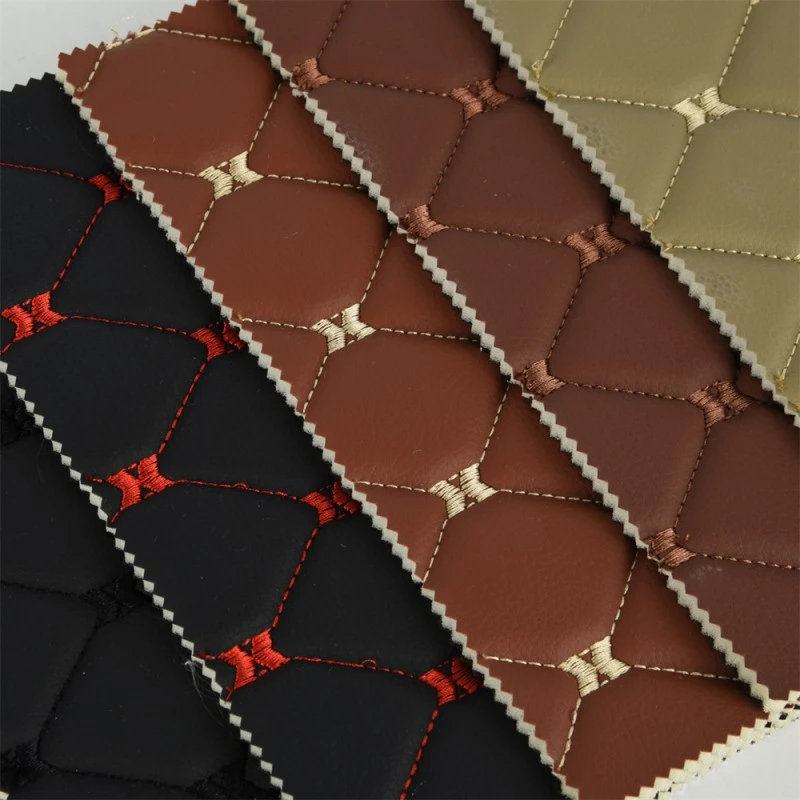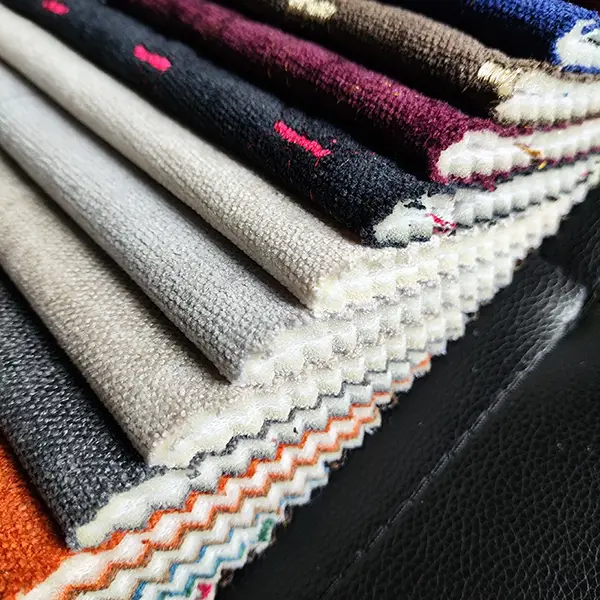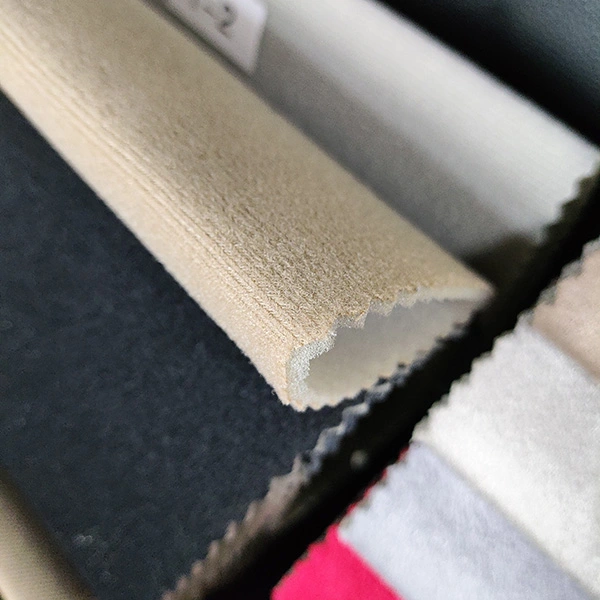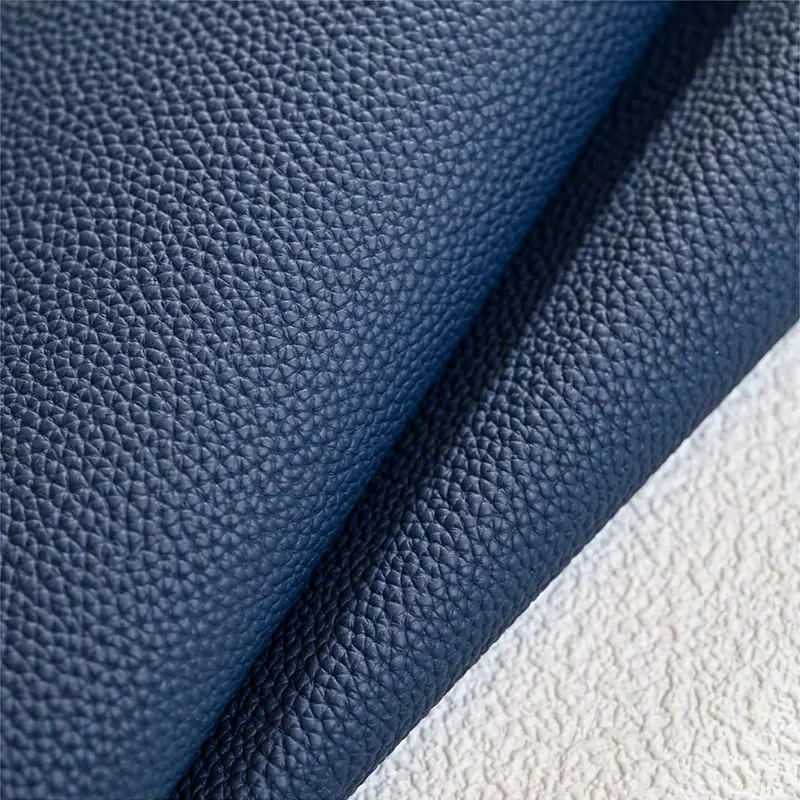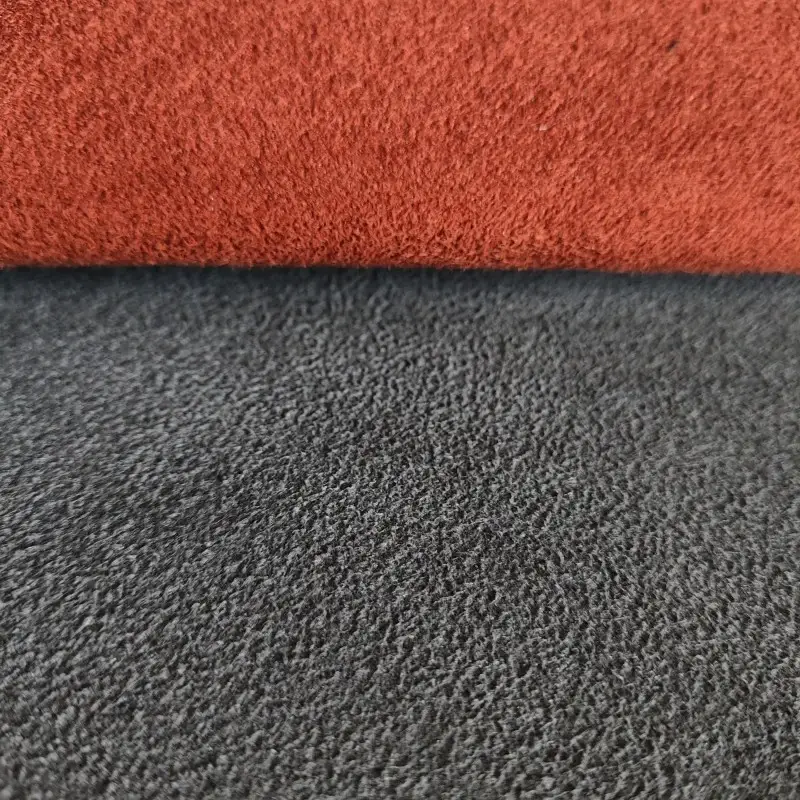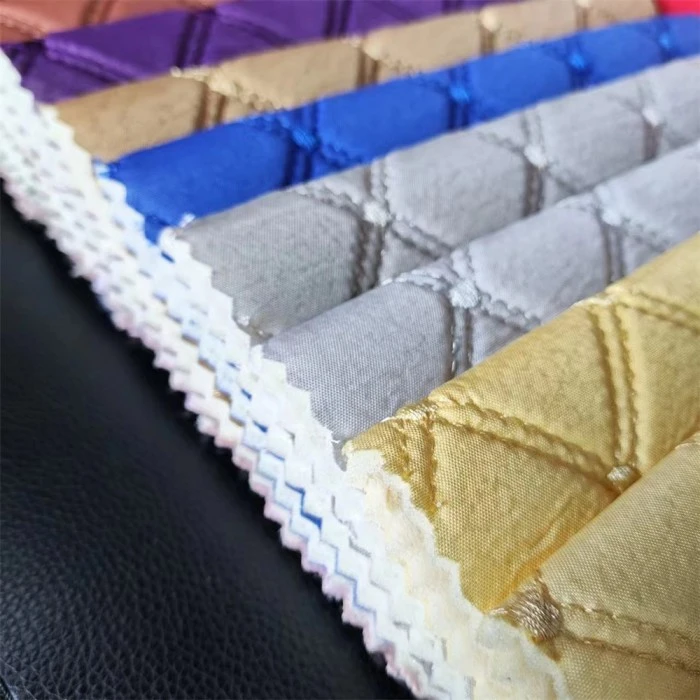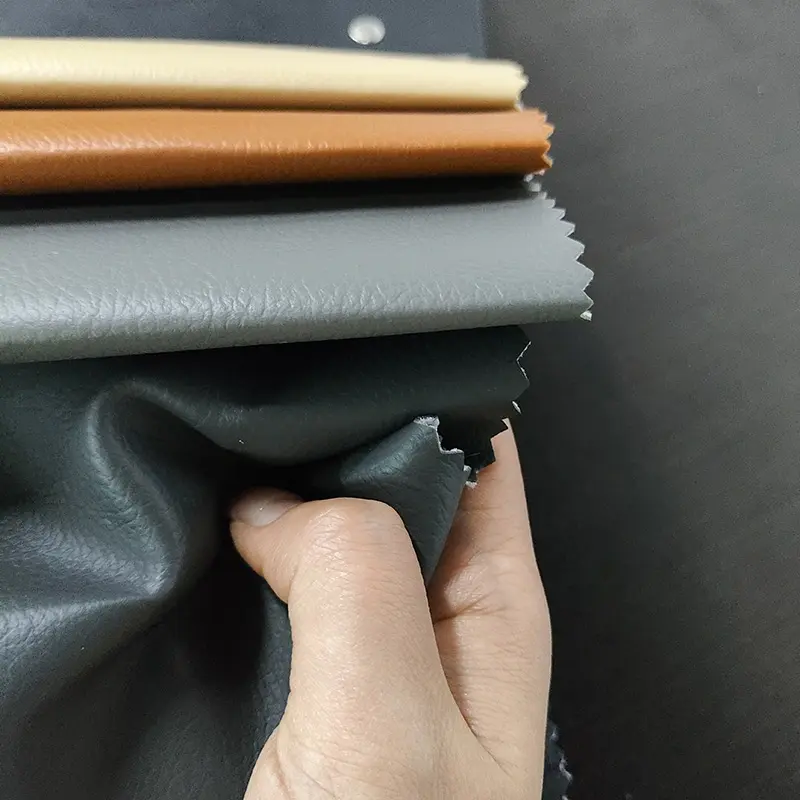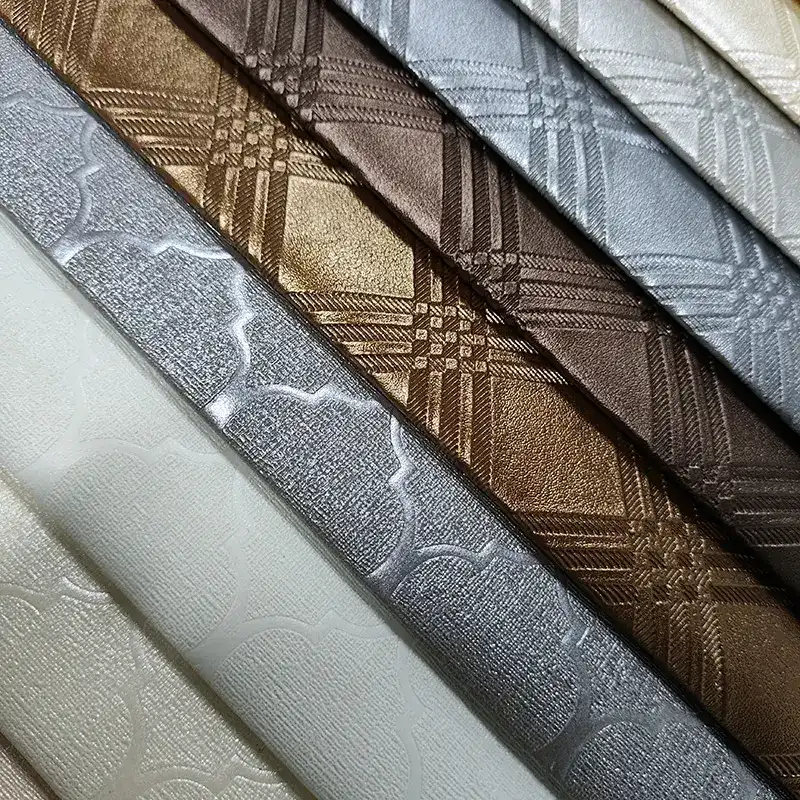
If you’ve ever ordered a “premium” patch or panel and it arrived looking flat, frayed, or inconsistent between batches, you already know the real problem isn’t the design file—it’s how the design is built into the material. Embroidery Leather is one of the most practical ways to get a high-end, tactile finish without sacrificing durability, especially when your product needs to survive daily abrasion, folding, and cleaning.
This article breaks down what Embroidery Leather is, why it solves common buyer pain points (uneven stitching, weak edges, color mismatch, short lifespan), and how to specify it correctly for predictable results. You’ll get a practical checklist for materials, stitch density, backing options, and sampling standards, plus a comparison table against printing, embossing, and fabric patches. We’ll also cover care guidance and an order workflow you can use to avoid surprises in production.
Buyers usually don’t “hate the material.” They hate the surprises: the sample looks great, the bulk order looks different, and the end customer notices. With Embroidery Leather, the goal is not only a more premium feel—it’s a more controllable, repeatable result.
Here are the most common “why is this happening” complaints:
The good news is that most of these issues are spec problems, not “bad luck.” When you define base material, stitch structure, and backing correctly, you get a decorated panel that behaves like a component—not a gamble.
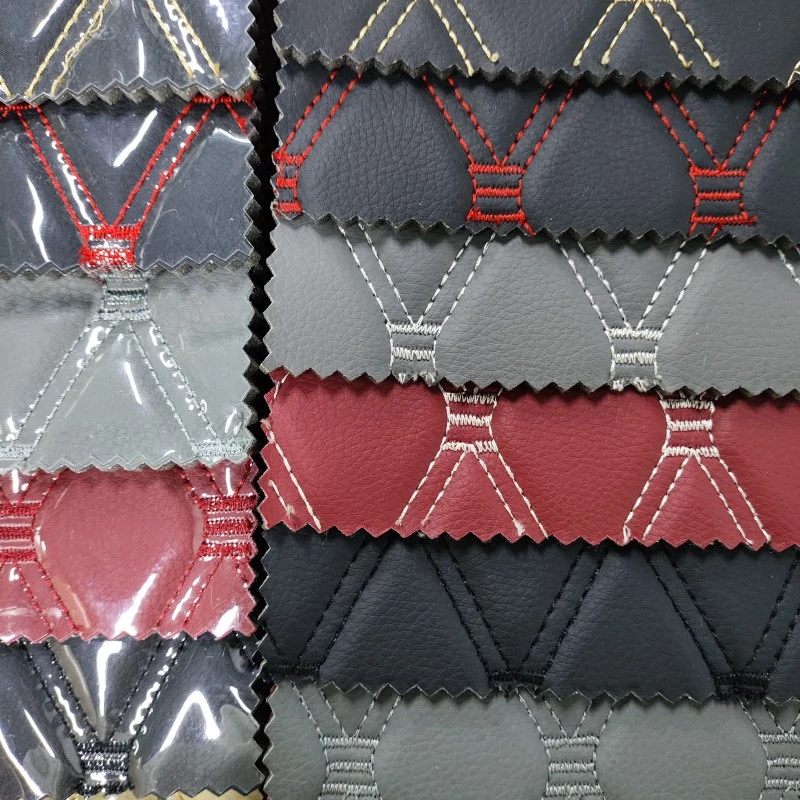
Embroidery Leather is a construction where embroidery is stitched directly onto a leather or synthetic leather surface (often PU or PVC), usually with a stabilizing layer underneath. Think of it as “decor + structure” combined, rather than a separate patch you glue on later.
Why it changes the outcome: embroidery becomes part of the surface system. If you choose the right stabilizer, stitch type, and backing, the threads resist lifting and the panel holds its shape during manufacturing and daily use.
A simple way to visualize the layers
The best applications share one trait: the product is touched, seen up close, and expected to look “new” for a long time. That’s where Embroidery Leather earns its keep.
High-fit use cases
If your design relies on a tactile “raised” look, or your brand demands consistency across colors and batches, this material typically performs better than decoration methods that sit only on the surface.
If you want predictable results, don’t send only an image and a color name. Give a spec that defines performance, not vibes. Below is a buyer-friendly checklist you can copy into your inquiry.
Buyer checklist for Embroidery Leather
One practical tip: if your artwork includes tiny lettering, request a test swatch at the exact size. Many “perfect on screen” logos become unreadable when stitched too small, and resizing later can change the look.
Different decoration methods win in different scenarios. This table helps you decide when Embroidery Leather is the right call.
| Decision factor | Embroidery Leather | Printed leather | Embossed/debossed | Fabric patch |
|---|---|---|---|---|
| Premium depth and texture | Strong tactile effect | Mostly flat | Textured but subtle | Medium, depends on thickness |
| Abrasion at touch points | High when built correctly | Can fade or scratch | Good, depends on base | Edges may fray without finishing |
| Fine detail and tiny text | Good if size is realistic | Very good | Limited by tooling | Okay, depends on stitch |
| Color consistency | Strong with approved thread palette | Strong if ink system is stable | Mostly “tone on tone” | Varies by fabric and dye lot |
| Best for | Branding that must feel premium and durable | Photo-like graphics, gradients | Minimalist logos, luxury subtlety | Casual styles, softer touch |
You don’t need to be a materials engineer to reduce risk. You just need a consistent set of checks that match how the panel will be used.
Practical QC checkpoints
If you’re sourcing for multiple markets, it’s smart to define the strictest compliance expectation once and keep it as your default—this prevents “two versions” confusion later.
A common buyer fear is that embroidery “traps dirt.” The truth is: it depends on stitch density and how the panel is used. For most applications, Embroidery Leather is easy to maintain when you set realistic care rules.
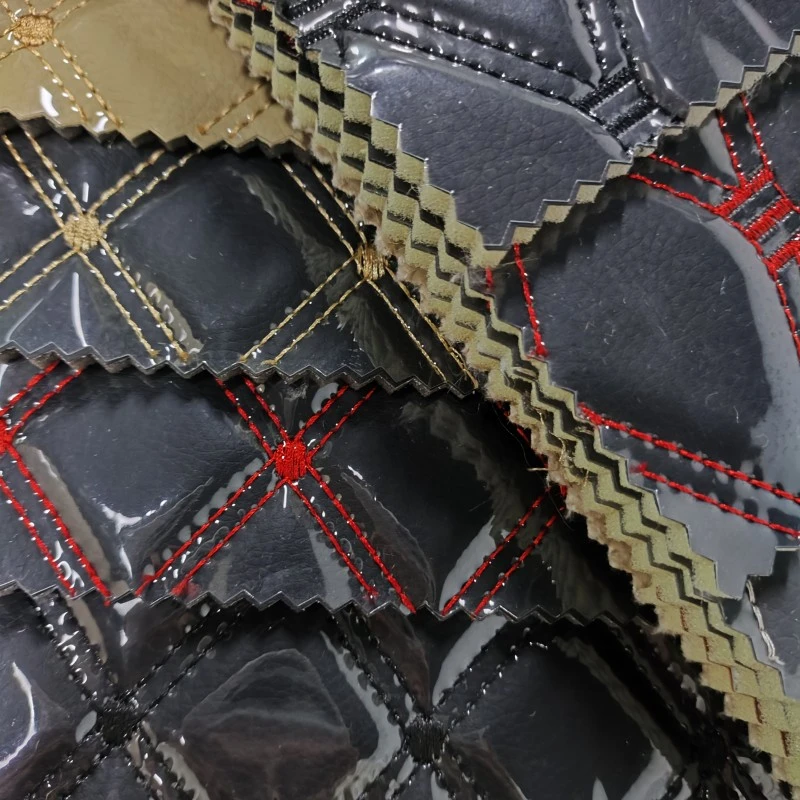
The fastest way to lose money is to approve a sample that doesn’t define the “rules” for bulk. The fastest way to avoid that is to lock the critical variables early—especially thread palette, stitch density, and backing construction.
A workflow that reduces surprises
This is also where the supplier matters. A team that understands decorated surface construction can suggest stabilizers, stitch structures, and backing options that match your product reality instead of forcing a one-size-fits-all approach.
Where Ningbo Most-Textile Trading Co., Ltd. typically helps buyers
Does Embroidery Leather crack when it bends?
Cracking is usually related to base material choice, thickness, and how the edges are finished—not embroidery itself. If your product bends a lot, specify flex resistance expectations and avoid forcing dense embroidery right on the sharpest fold line.
Can Embroidery Leather handle frequent wiping and cleaning?
In most normal-use cases, yes. The key is defining your cleaning method early and selecting a stitch structure and thread type that won’t fuzz easily. If the application is high-contact, request a rub test standard during sampling.
What should I send to get an accurate sample?
Send your artwork in a clean vector format when possible, provide target size, brand color expectations, and a short description of where the panel will be used. If you have a “must match” color, send a physical reference or define your tolerance expectation upfront.
Is Embroidery Leather better than embossing for luxury branding?
They create different luxury cues. Embossing is subtle and minimal; embroidery is bold and tactile. If you want instant visual depth and a “crafted” look from a distance, embroidery often wins. If you want quiet, tone-on-tone elegance, embossing can be ideal.
How do I avoid bulk production looking different from the sample?
Approve a signed reference sample, lock thread colors and stitch density, and define simple QC checkpoints. When you treat Embroidery Leather like a component with measurable standards, consistency becomes much easier.
Embroidery Leather isn’t just decoration—it’s a way to turn branding into a durable, premium surface that customers can see and feel. If your past orders suffered from fraying threads, inconsistent finishes, or disappointing bulk results, the fix is usually better specification, smarter layer choices, and a cleaner approval process.
Want your next batch to look like the sample and stay that way in real use?
Share your application, target size, and performance expectations with Ningbo Most-Textile Trading Co., Ltd., and ask for a stitch test swatch before sampling. When you’re ready to move forward, contact us and let’s turn your design into a material your customers will actually keep touching.