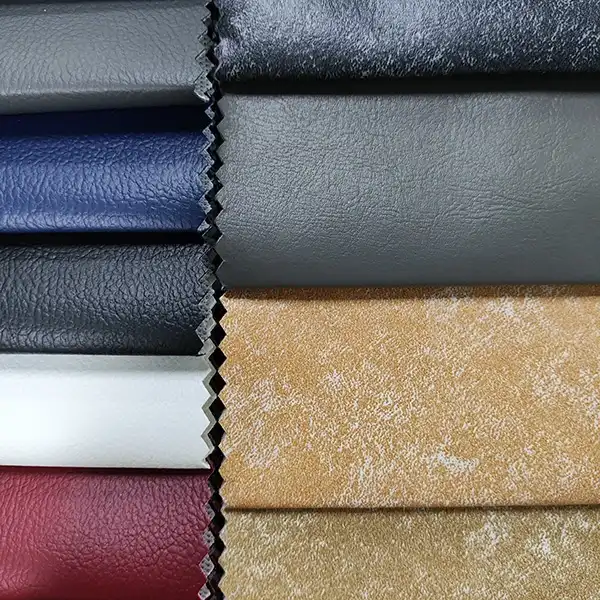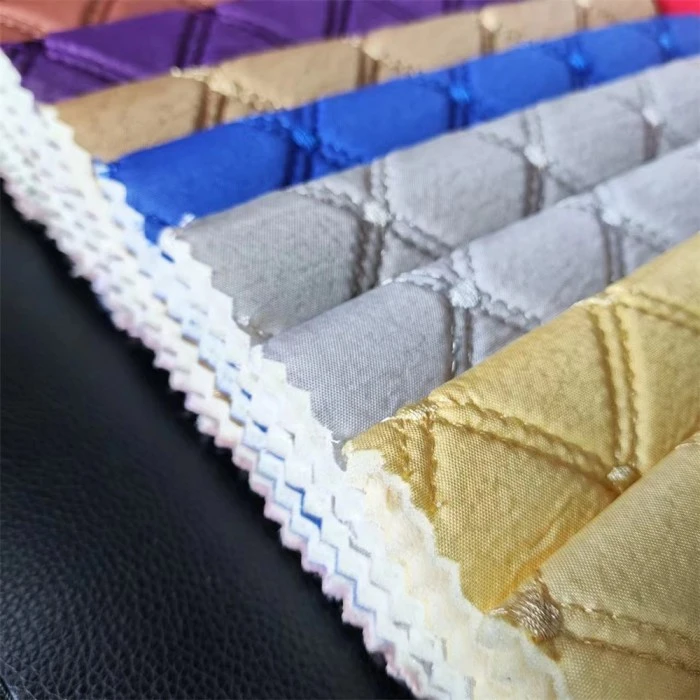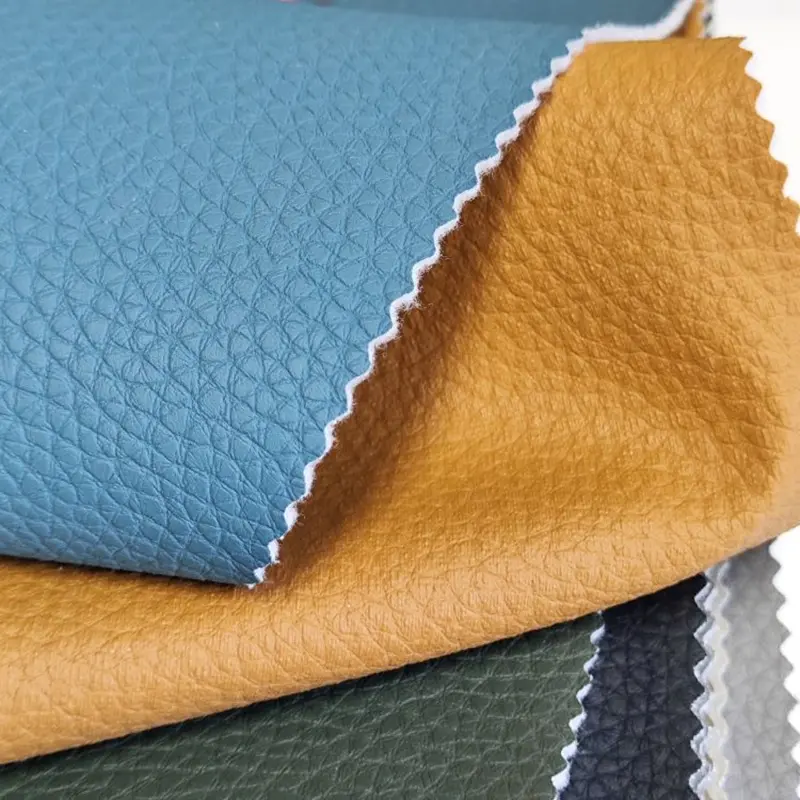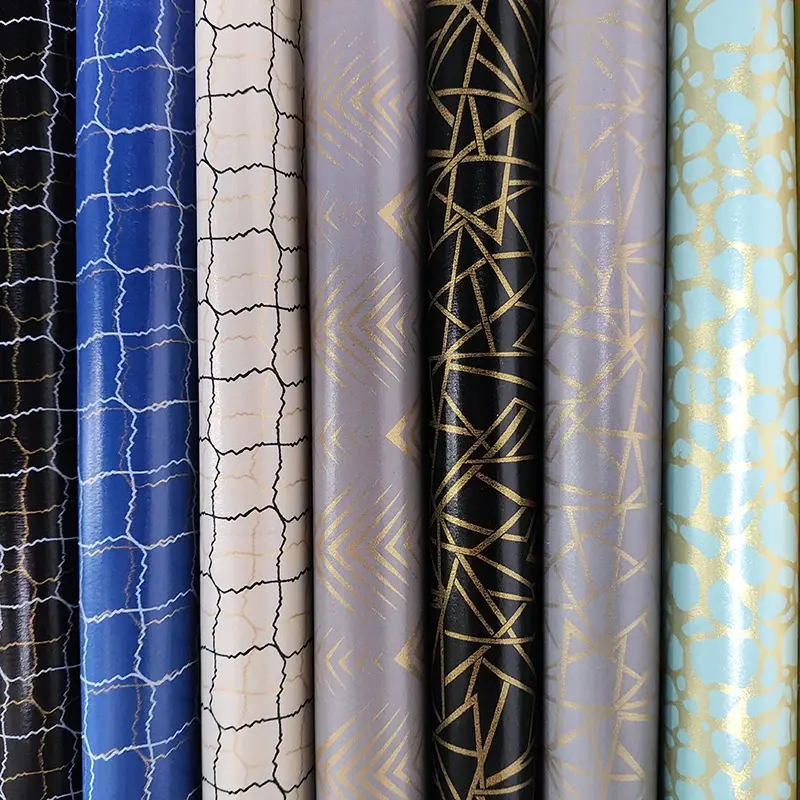
Buying Sofa Leather can feel like walking into a showroom where every option is “premium” and every salesperson says “this one is easy to clean.” Then real life happens: kids spill juice, pets climb like it’s a mountain, sunlight hits the same cushion every afternoon, and suddenly your “great deal” looks tired. This guide breaks down what actually matters—grain, finish, thickness, cushioning feel, color stability, scratch resistance, and care—so you can choose Sofa Leather that fits your lifestyle and your budget without regrets.
Let’s be honest: most people don’t regret buying Sofa Leather because they chose the “wrong color.” They regret it because the leather doesn’t behave the way they expected in daily life. Here are the pain points that show up again and again:
The fix isn’t “buy the most expensive one.” The fix is choosing Sofa Leather based on the finish and performance you actually need.
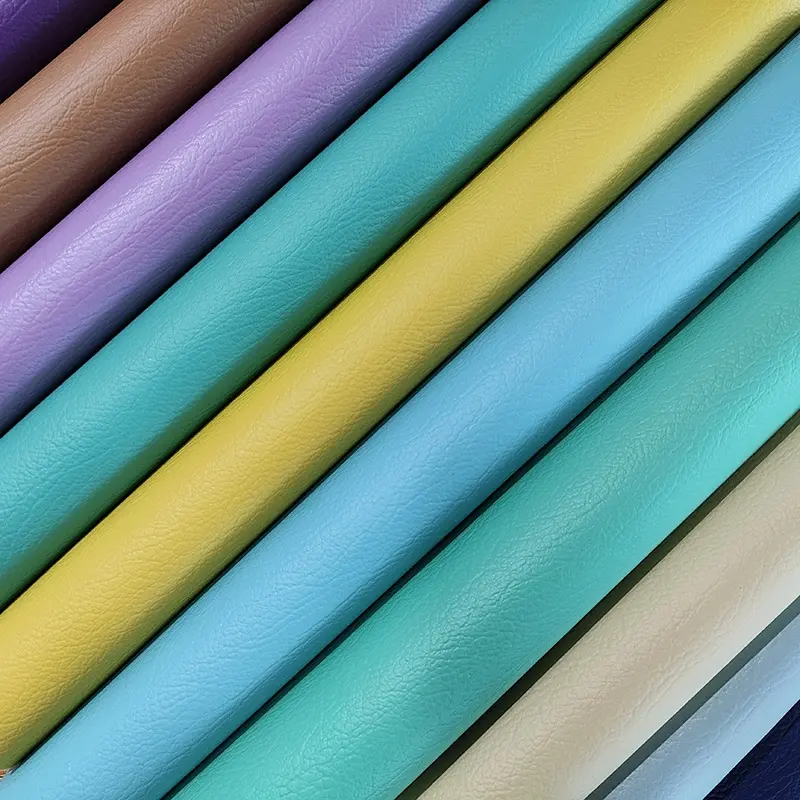
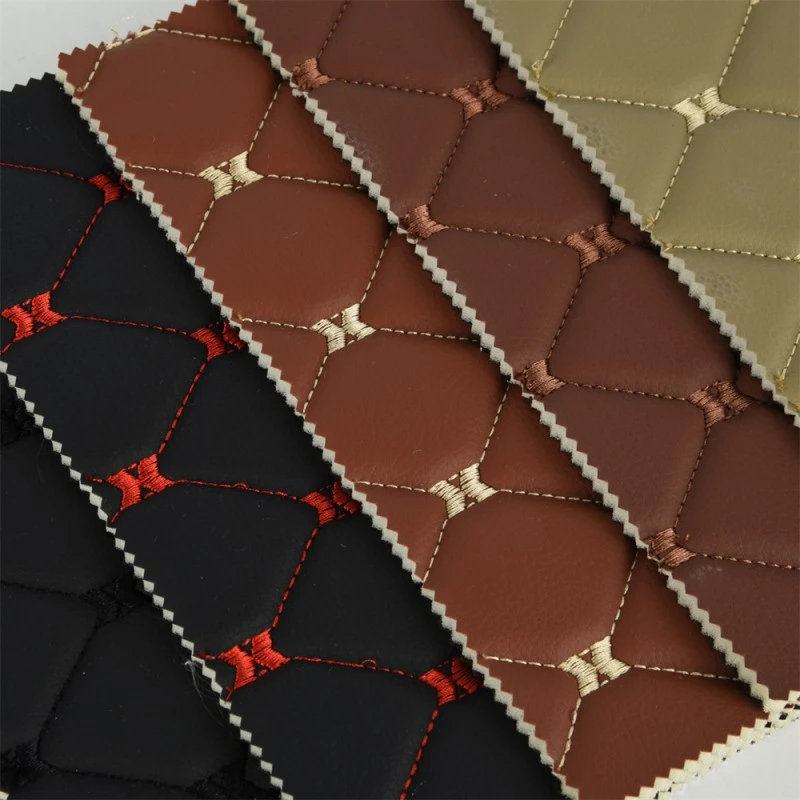
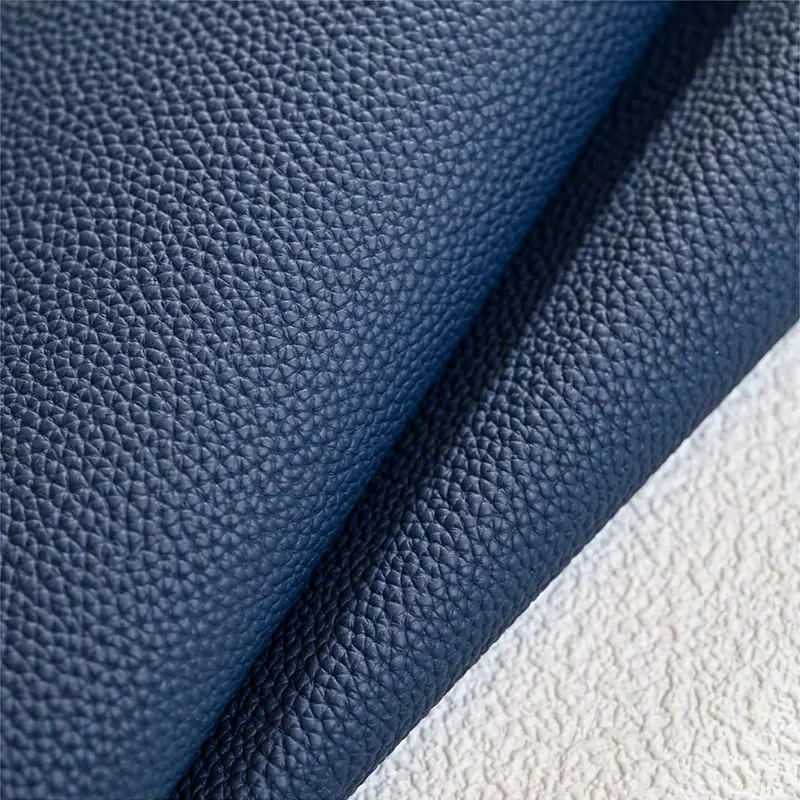
Not all Sofa Leather is the same—even if it’s all called “genuine leather” in a showroom. What matters is which layer of the hide is used and how it’s finished. Here’s a straightforward comparison you can use for both home buying and sourcing.
| Type | What it feels like | Best for | Main trade-off |
|---|---|---|---|
| Full-grain | Natural texture, rich, “alive” | Luxury look, long-term aging | Can show scratches/patina; needs thoughtful care |
| Top-grain | Smoother, more uniform | Everyday comfort + durability | Less character than full-grain |
| Corrected-grain | Very consistent, often coated | Busy families, easy clean | Can feel less natural depending on coating |
| Split leather (coated) | Can look good at first | Lower cost projects | Higher risk of peeling/cracking as coating ages |
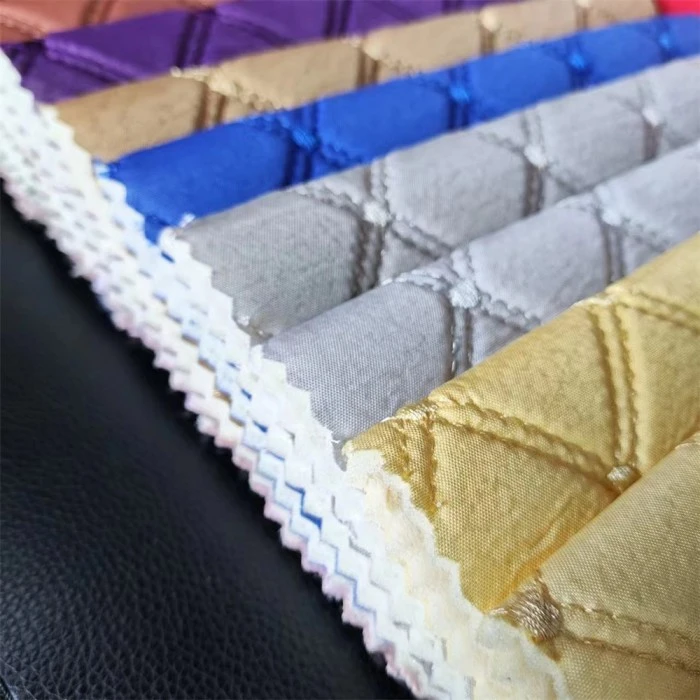
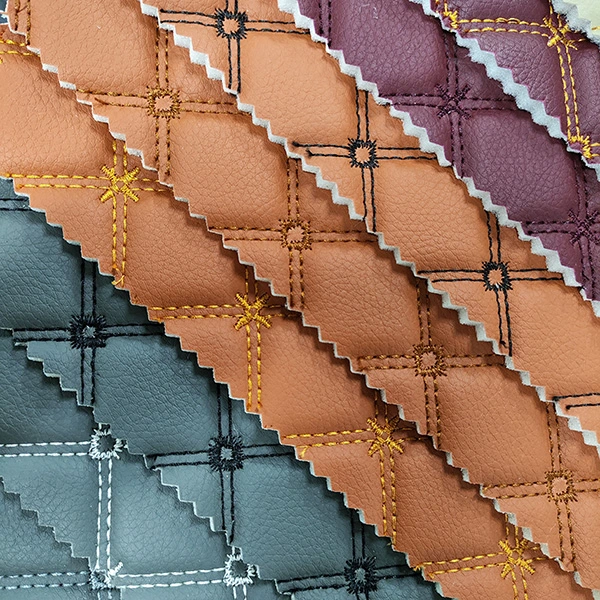
| PU / synthetic upholstery | Smooth, uniform, easy wipe | Budget-friendly, consistent supply | Less breathable; lifespan depends heavily on grade |
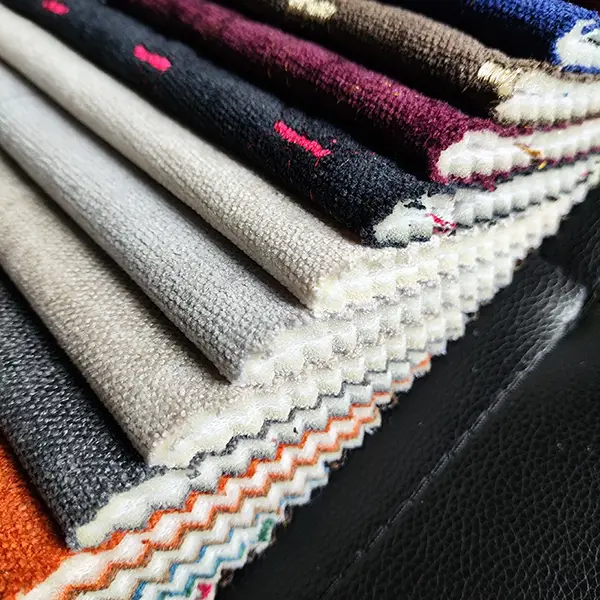
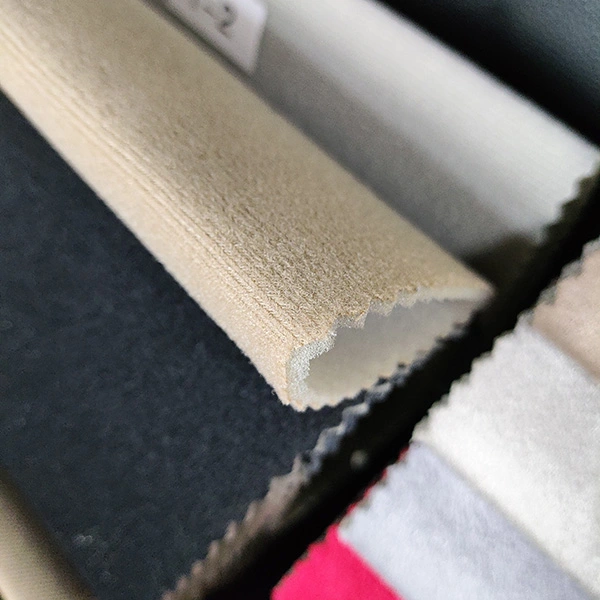
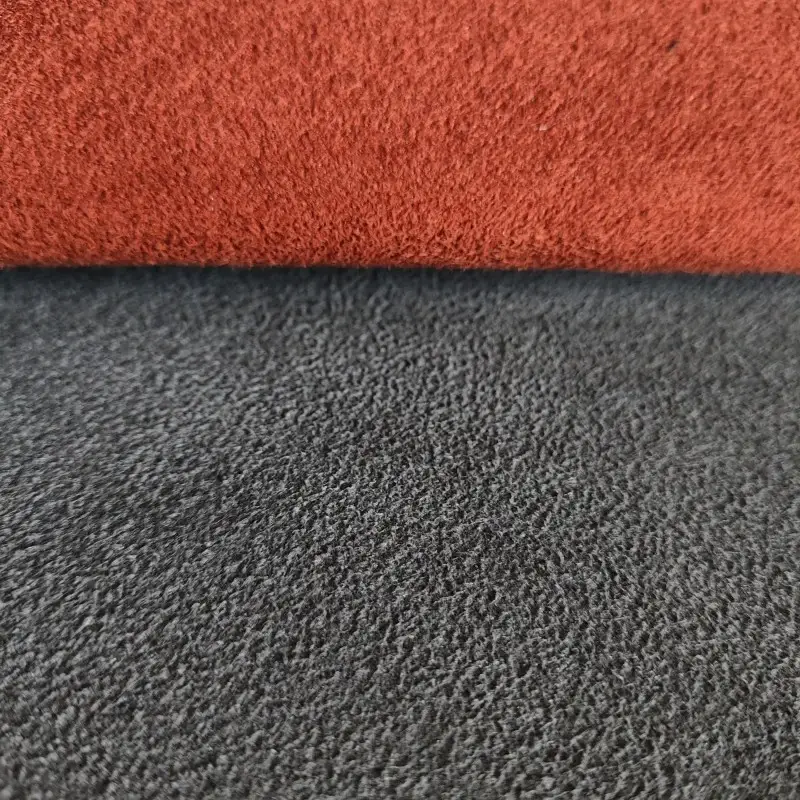
| Microfiber “suede” | Soft, cozy, matte | Pet-friendly feel, low glare | Different look from classic leather; can hold lint |
If you want a simple rule: choose the “best finish for your life,” not the fanciest label. That’s how you get Sofa Leather that stays attractive instead of becoming a constant worry.
Two leathers can come from similar hides and still behave totally differently because of the finish. If you’ve ever touched one sofa and thought “wow, buttery,” and another and thought “why does this feel like a raincoat,” that’s the finish talking.
Aniline (minimal coating)
Semi-aniline (light protective topcoat)
Pigmented / protected (stronger coating)
For most households, semi-aniline or protected finishes are the sweet spot: you still get the premium leather look, but you’re not living in fear of a coffee cup.
The “best” Sofa Leather depends on who’s actually using the sofa. Below are common scenarios and the features that matter most. Read your situation like a checklist—no wishful thinking.
If you’re sourcing for production, the pain point usually isn’t just performance—it’s reliable supply and repeatable color/texture. That’s where working with an established supplier matters. Ningbo Most-Textile Trading Co., Ltd. supports upholstery material sourcing with a practical, product-minded approach—so you can request samples, compare options, and choose Sofa Leather aligned with your market positioning.
Here’s the part most people skip—and then they pay for it later. Use this checklist before you commit to any Sofa Leather, whether it’s for one sofa or a whole furniture line.
Quick mindset shift: You’re not just buying leather. You’re buying how the sofa will look after 1,000 sit-downs, 200 snacks, and a few “oops” moments. Choose Sofa Leather like you’re picking a teammate for real life.
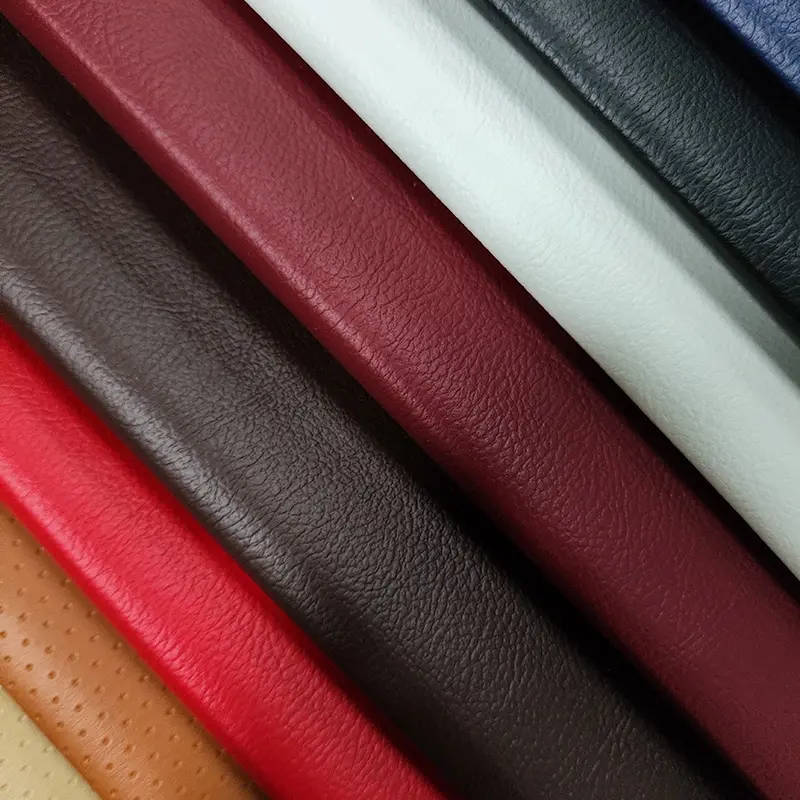
Most leather damage isn’t dramatic—it’s slow. Dust acts like sandpaper. Sunlight quietly shifts color. Harsh cleaners strip protective layers. The good news: simple habits go a long way.
Not automatically. “Genuine” can include a wide range of qualities. A well-made protected leather can be excellent for busy homes, while some lower-grade coated splits may age poorly. High-quality synthetic upholstery can be consistent and easy to maintain, but it may feel less breathable. The best choice depends on your priorities: feel, durability, cleaning, and long-term appearance.
A protected or semi-aniline finish is usually the most forgiving. It tends to wipe clean more easily and handles daily wear better. Pair it with a medium tone (not too light, not too dark) to reduce visible marks.
Cracking is usually caused by dryness, heat exposure, or low-quality materials/coatings. Prevent it by keeping the sofa away from direct heat, reducing strong sun exposure, and following the correct care method for your specific finish.
Look for more breathable finishes and avoid overly heavy coatings when possible—especially in hot or humid climates. Always test a sample in your home environment if you can. Texture and coating choice make a huge difference.
Start with samples and a clear performance checklist: intended market tier, expected usage, preferred hand-feel, and color range. Also ask about batch consistency and how re-orders are handled. A supplier like Ningbo Most-Textile Trading Co., Ltd. can help you compare options and narrow down Sofa Leather that fits both your design goals and your customers’ daily reality.
Want help choosing the right Sofa Leather for your sofa project or product line?
Tell us your usage scenario (kids, pets, sunlight, budget tier, and preferred feel), and we’ll help you shortlist options and arrange samples. Reach out to Ningbo Most-Textile Trading Co., Ltd. today—contact us to start the conversation and get your project moving.