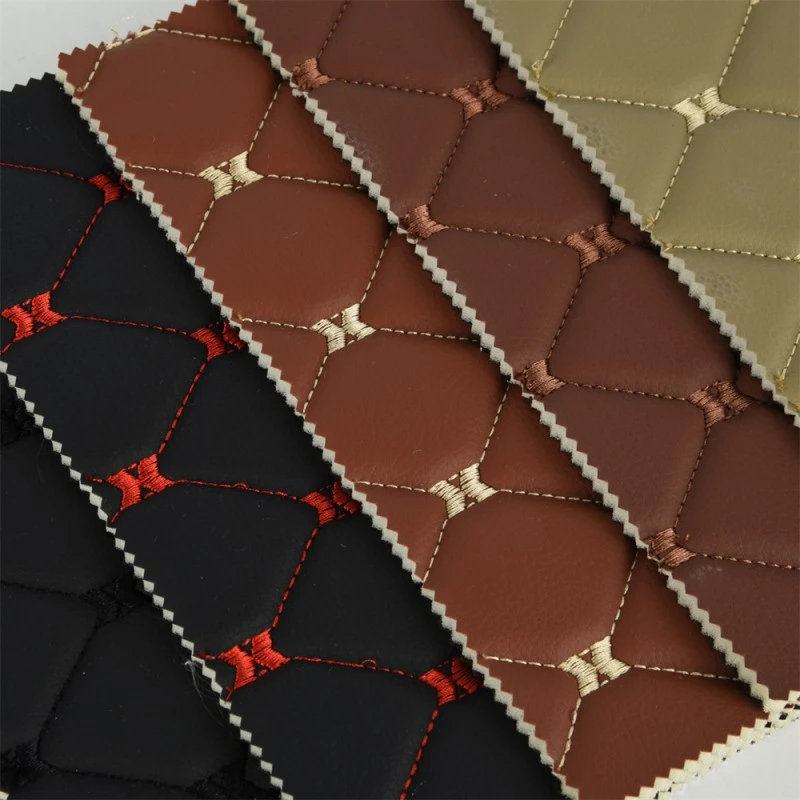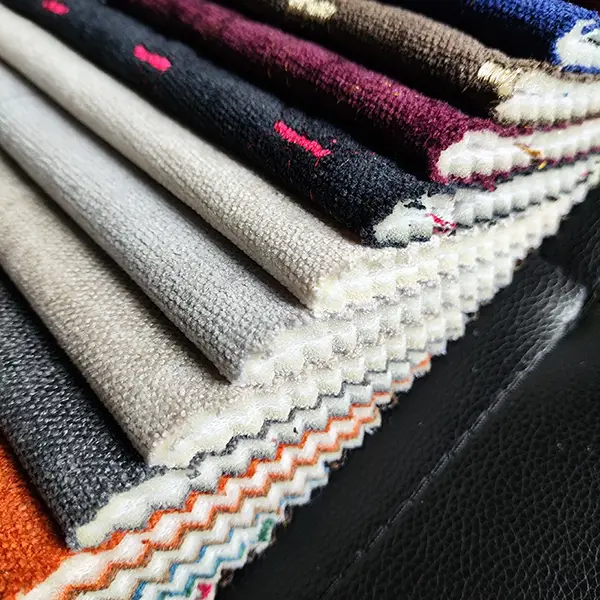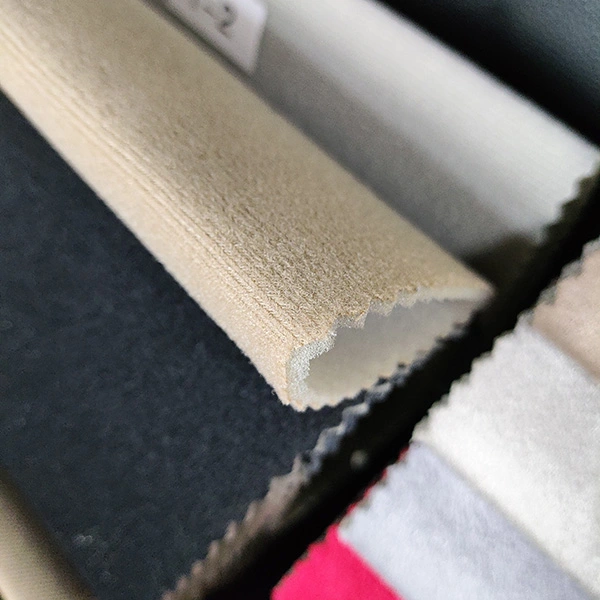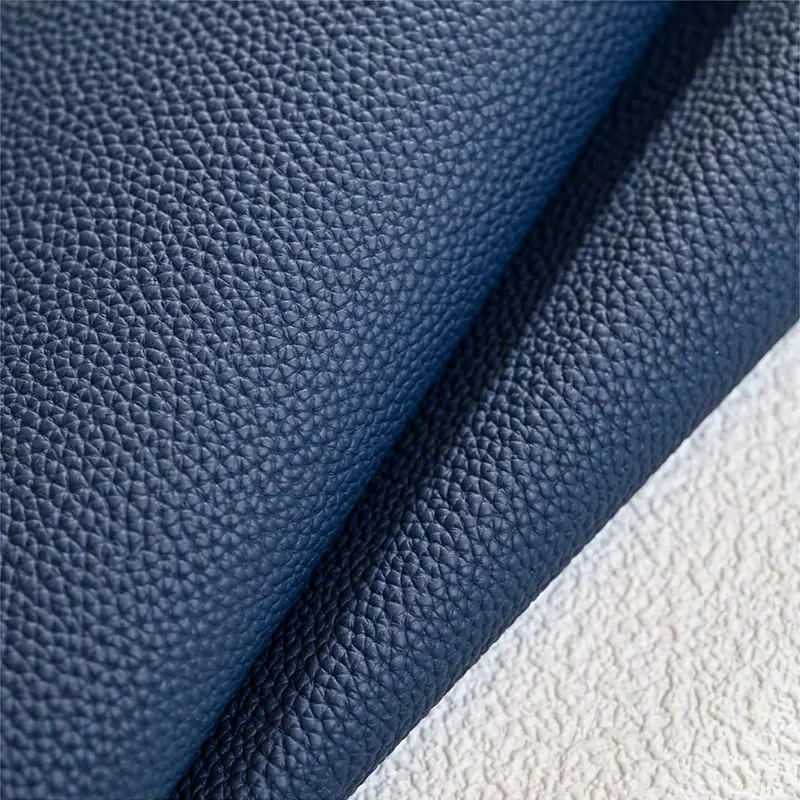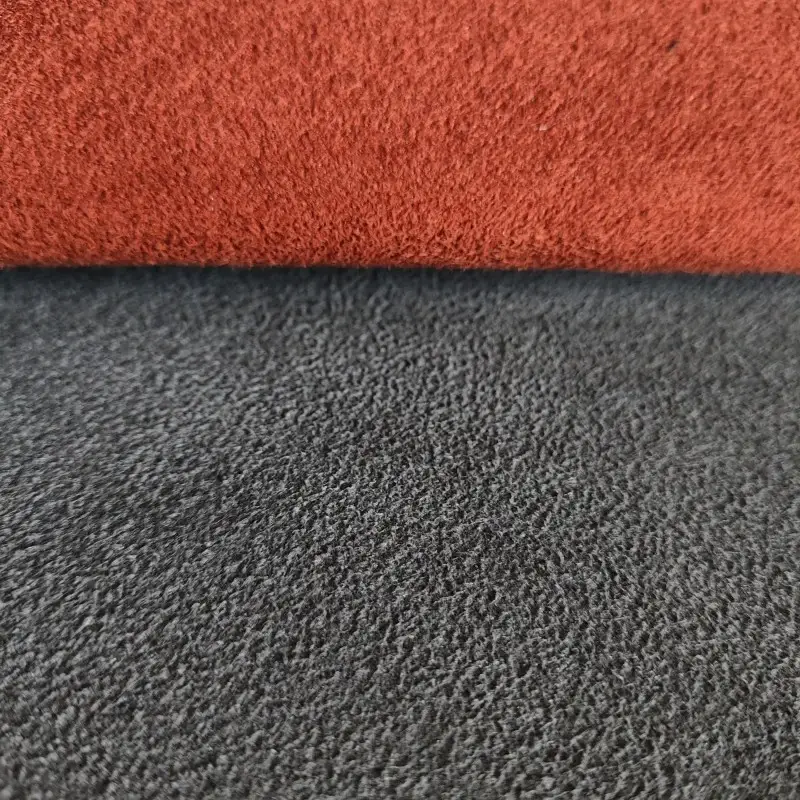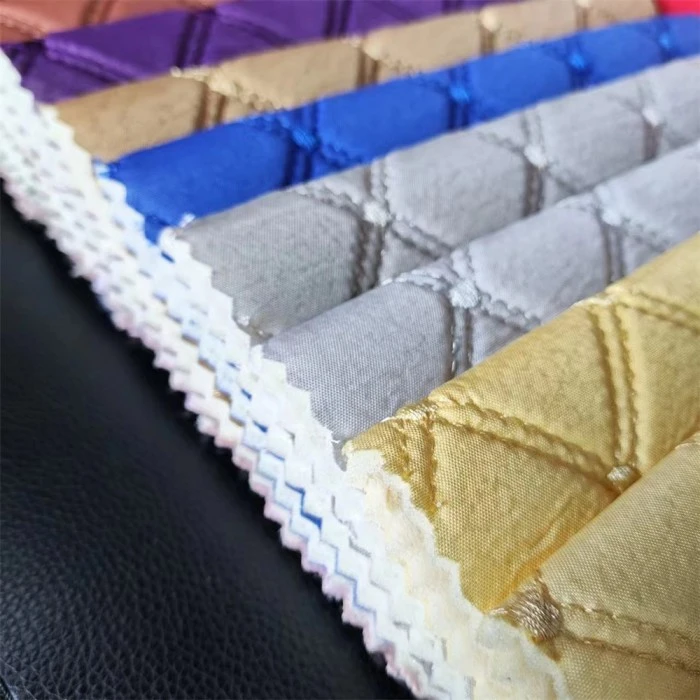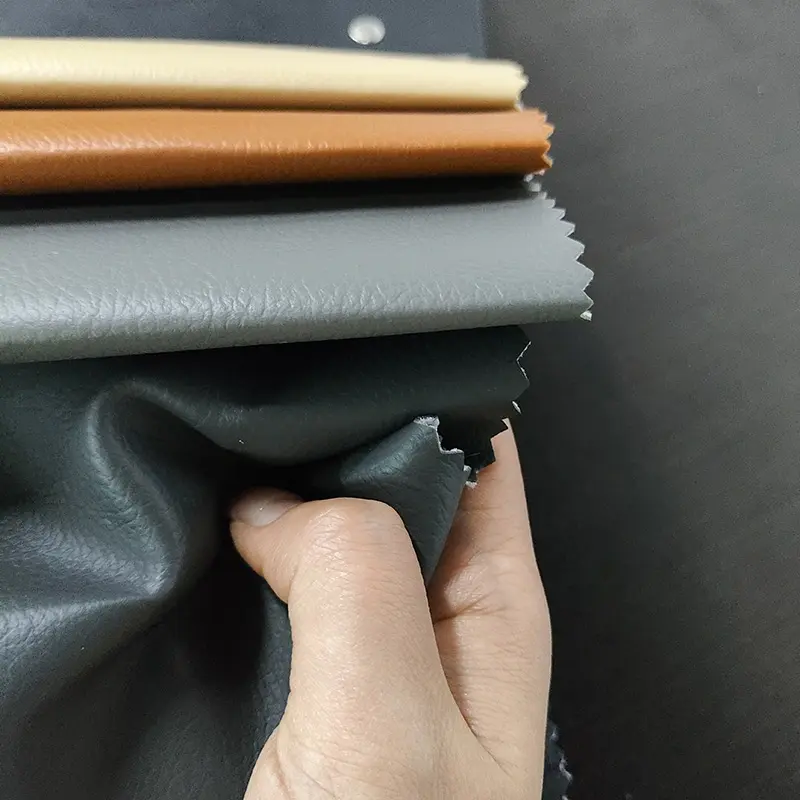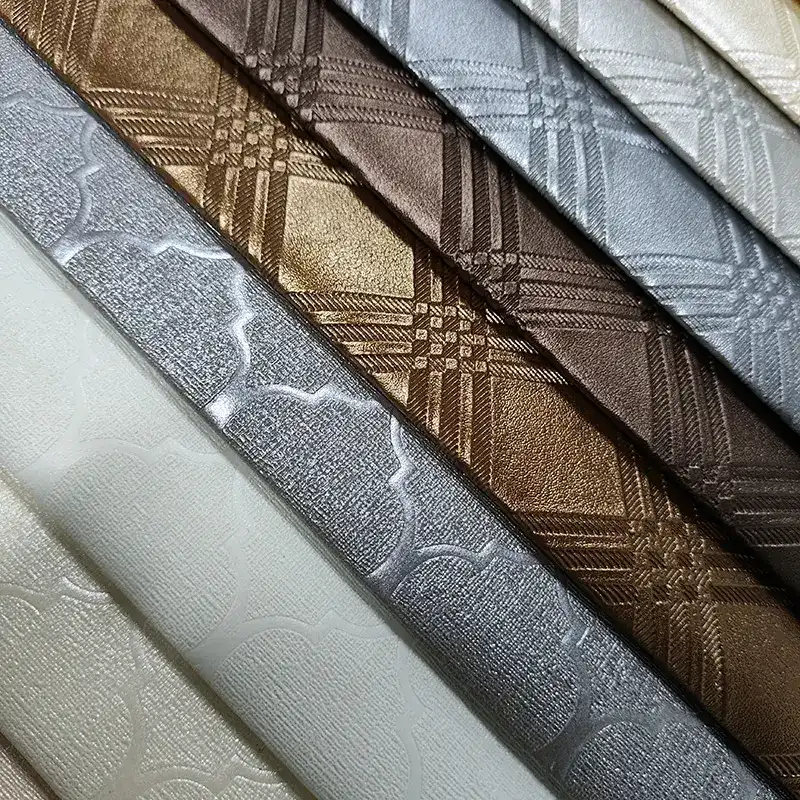
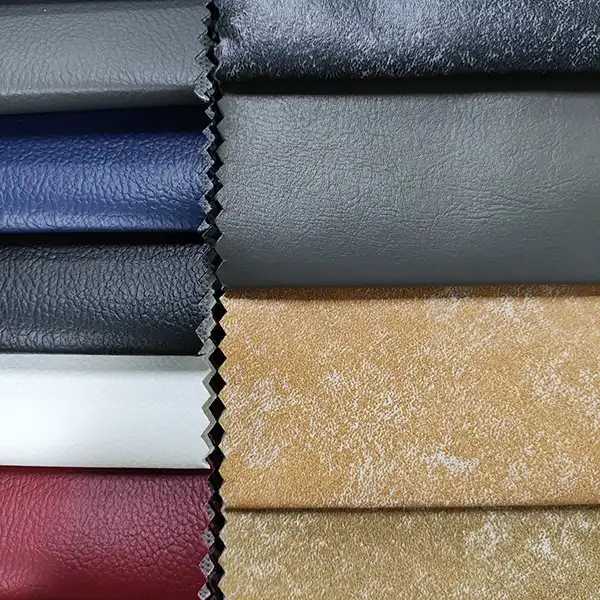
Most buyers start with color and texture—understandable, because cover material is the first thing readers touch. But Book Leather has a job description beyond aesthetics:
Reality check: The “best” Book Leather is the one that matches your use-case. A luxury gift edition, a school planner, and a corporate binder can require totally different performance profiles.
If you’ve been burned before, it’s usually one of these problems:
To avoid these issues, you want to specify not only “Book Leather” but also what it needs to withstand: handling frequency, climate exposure, shipping distance, shelf life, and finishing methods.
“Book leather” is often a category label used for book-cover materials that resemble leather in texture and performance. In practice, buyers typically choose between genuine leather and leather-like alternatives. Here are the most common groups:
Buyer trick: Ask for details on thickness, backing type, and surface finish—not just the name. Two materials both called Book Leather can behave completely differently during binding.
Below is a practical comparison table to help you narrow down a shortlist. The goal isn’t to label one as “best,” but to match the material to the pain points you care about.
| Material Type | Strengths | Watch-outs | Best for |
|---|---|---|---|
| Genuine leather | Premium hand-feel, natural character, strong brand value | Higher cost, batch variation, may need more care | Luxury editions, gift books, collector series |
| PU Book Leather | Versatile textures/finishes, good emboss/foil compatibility, cost control | Quality varies; specify abrasion/hinge performance | Notebooks, planners, journals, packaging-style covers |
| PVC leatherette | Strong wear resistance, easy cleaning, stable surface | Flexibility depends on thickness and formulation | School covers, menus, high-contact items |
| Microfiber leather | High durability, good bend performance, resilient structure | Hand-feel differs from PU; confirm grain + softness | High-use planners, binders, corporate stationary |
| Fabric-backed coated material | Excellent tear strength, stable hinge, good dimensional control | May look/feel more “technical” depending on surface | Hardcover books, library use, long-lifespan items |
Notice how the “watch-outs” column keeps coming back to one theme: define performance expectations early, then confirm with the right sample tests.
Here’s a step-by-step checklist you can use to reduce surprises, from concept to mass production.
Fast path: If you only do three things, do these: (1) confirm thickness + backing, (2) test hinge folds, (3) test your exact finishing method (foil/emboss/print) on the actual material.
Define the use-case in plain language
The more handling, the more you should prioritize abrasion resistance, corner durability, and hinge flexibility.
Choose the right thickness and backing
Match the surface finish to your handling reality
Test hinge and fold performance before you approve
Confirm finishing compatibility (and don’t assume)
One of the most common mistakes is approving a Book Leather sample without testing the exact finishing method.
Plan for color consistency and batch control
Think about storage, shipping, and climate
Work with a supplier who understands book-cover use, not just material rolls
A cover material isn’t “done” until it survives binding. Ningbo Most-Textile Trading Co., Ltd. supplies book-cover materials and understands that your real success metrics are hinge performance, surface durability, and stable bulk quality—not just a pretty swatch.
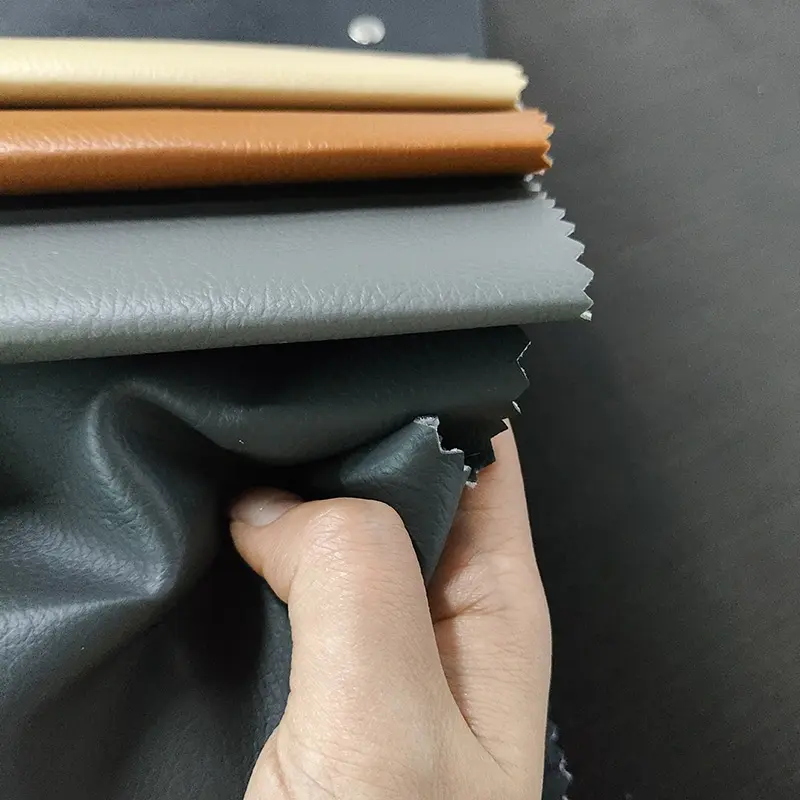
Even the right Book Leather benefits from practical handling and storage habits—especially for premium editions and gift products.
Long-life mindset: A durable cover is a system: material + thickness + backing + binding method + packaging. If one link is weak, the whole product feels “lower quality” to the reader.
A: Do an initial score-and-fold check, then repeat bending cycles multiple times (especially at the hinge). Problems like whitening or surface separation often appear after repeated movement, not the first fold.
A: Both matter, but backing is often the hidden hero. A strong backing improves tear strength, dimensional stability, and hinge resilience, while surface formulation governs scratch and rub performance.
A: Grain depth, surface softness, and coating chemistry can change how heat and pressure transfer. Always test foil on the exact Book Leather you intend to order, using the same plate and settings.
A: Lock a color standard, confirm tolerance expectations, and plan production lots. If your project is a series, coordinate bulk timing so the same lot can be used across volumes when possible.
A: Yes. Many engineered Book Leather options balance a high-end hand-feel with practical wipe-clean performance. The key is choosing the right finish and confirming rub and stain behavior with real samples.
A: If you want maximum resilience under frequent handling, microfiber often performs strongly on abrasion and bending. High-quality PU can also work well—just confirm hinge performance and scratch resistance for your specific thickness and finish.
If you’re selecting Book Leather for a new notebook line, a hardcover collection, or a premium gift edition, don’t let a pretty sample decide the whole story. Share your use-case (binding type, finishing method, thickness target, and expected handling), and we’ll help you narrow the options to materials that behave well in production and in real life.
Ready to move faster with fewer surprises? Please contact us to discuss your project requirements and request tailored samples for your book-cover application.