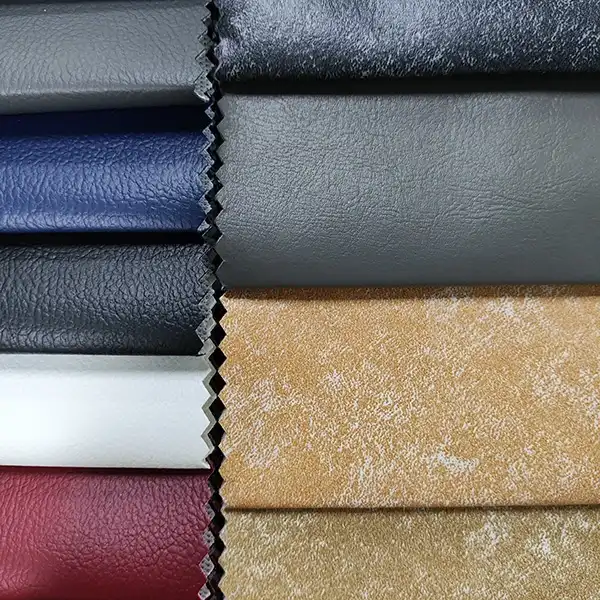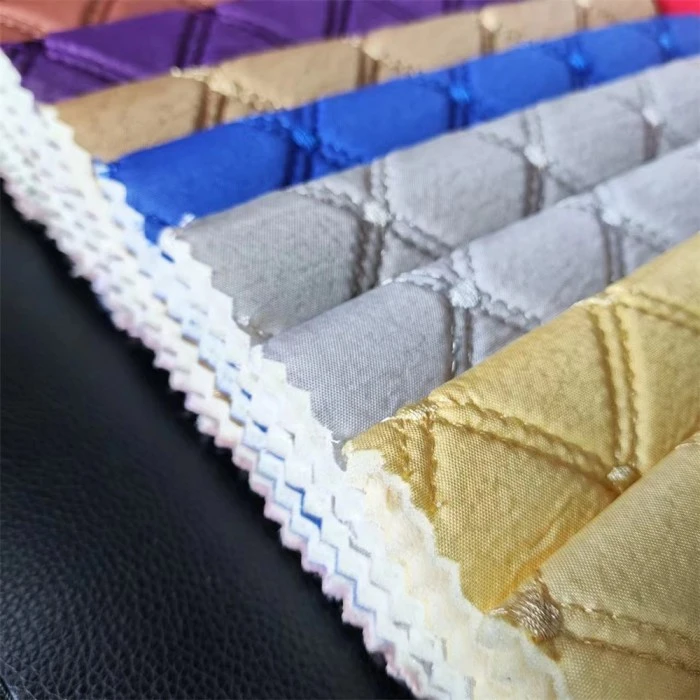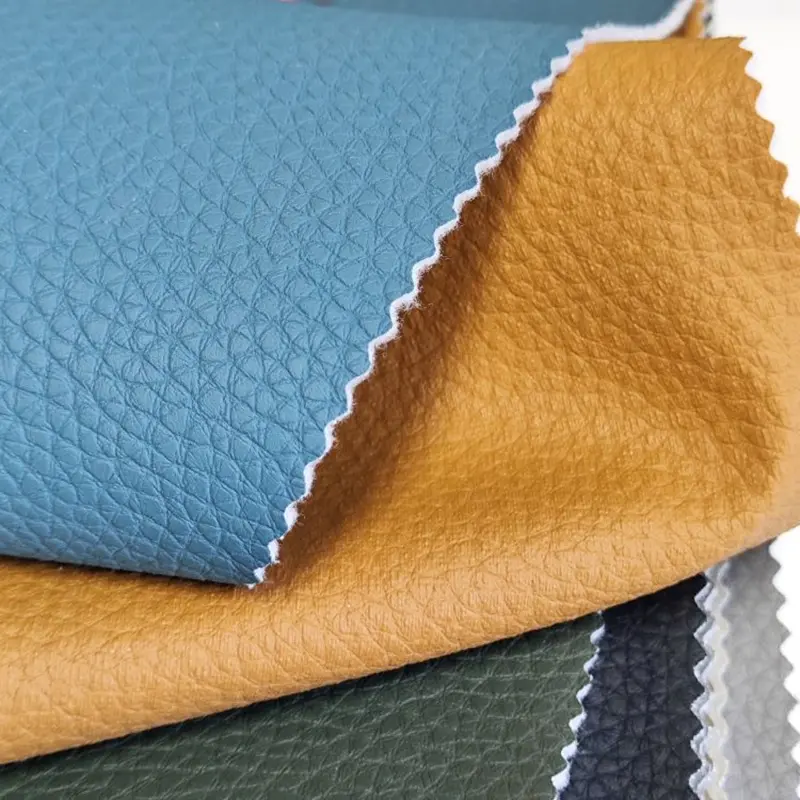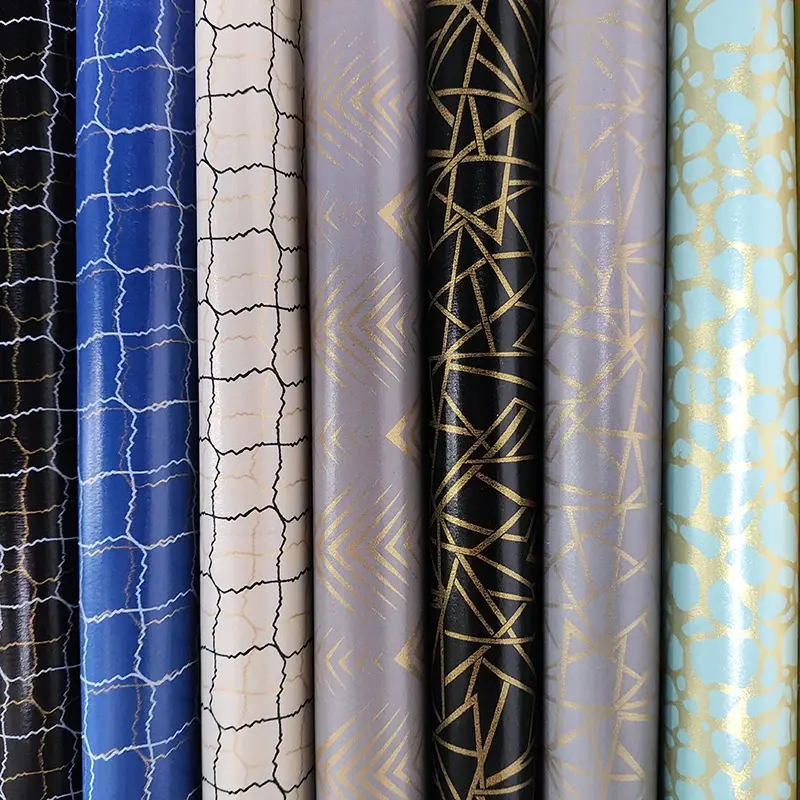
Spills happen. Pets have opinions. Sunlight quietly fades everything. And the wrong material choice can turn a beautiful sofa into a peeling, sticky regret. This guide breaks down what Upholstery Leather really means in practice, how to compare options without guesswork, and how to specify the performance you actually need.
Upholstery Leather can look similar in photos yet behave wildly differently once it’s on furniture. In this article, I’ll walk you through the biggest buyer pain points—cracking, peeling, staining, odor, color mismatch, inconsistent batches—and show how to prevent them with a simple selection method. You’ll get a practical comparison table, a spec checklist you can copy into your inquiry, care tips that keep surfaces looking new, and a FAQ that answers the uncomfortable questions suppliers don’t always volunteer.
Most complaints about Upholstery Leather aren’t about color being “a little off.” They’re about the material behaving differently than expected after 3–12 months of real use. Here are the common failure modes—and what usually causes them:
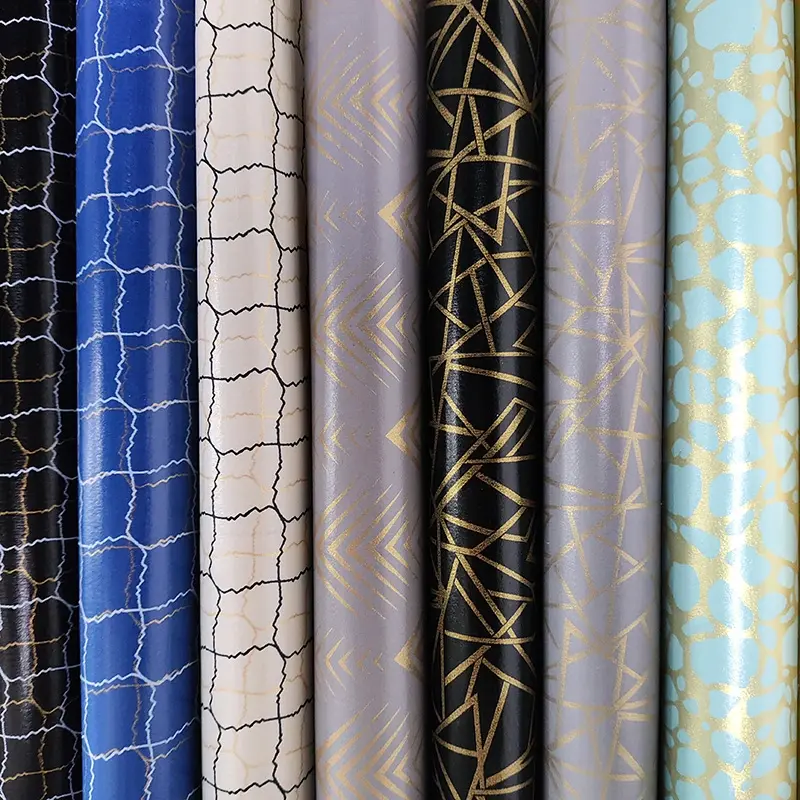
If you only remember one thing, remember this: furniture materials fail at the intersection of chemistry and daily life. These are the factors that decide whether your Upholstery Leather stays gorgeous or turns into a customer-service nightmare:
“Upholstery leather” can describe different constructions. Here’s a practical comparison you can use when deciding what to sample first:
| Type | Typical Strengths | Typical Risks | Best For |
|---|---|---|---|
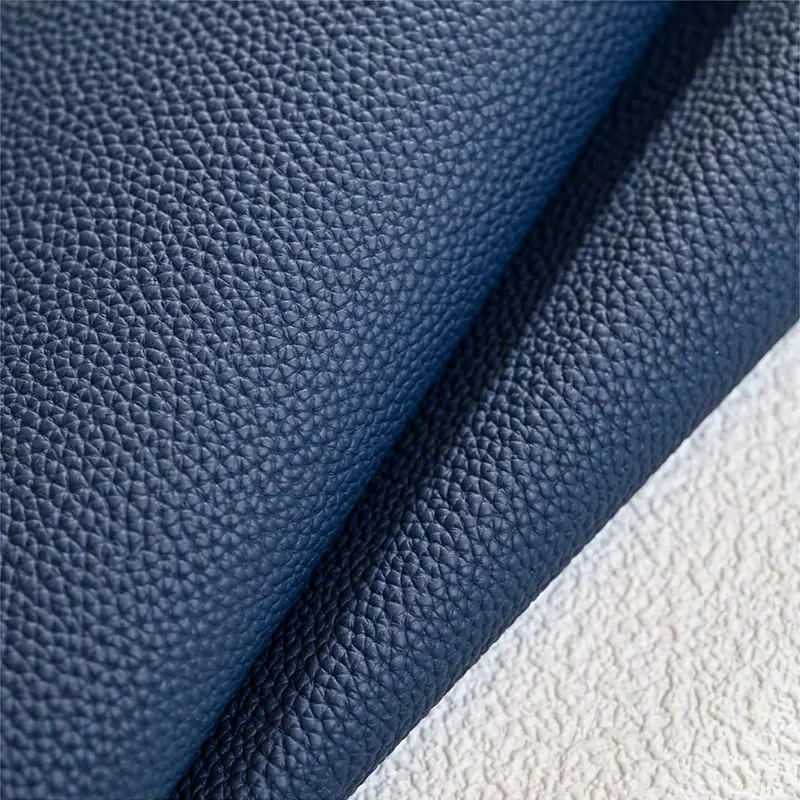
| PU (Polyurethane) Upholstery Leather | Soft hand-feel, wide range of textures (matte/gloss/embossed), good comfort, often better “leather-like” touch | Quality varies; hydrolysis resistance must be confirmed for humid climates | Sofas, chairs, headboards, hospitality furniture where comfort + style matter |
| PVC Upholstery Leather | Strong wipe-clean performance, good structure, often cost-efficient, good for heavy-use surfaces | Can feel firmer; temperature sensitivity and plasticizer quality matter | Commercial seating, dining chairs, high-traffic areas, kid-friendly surfaces |
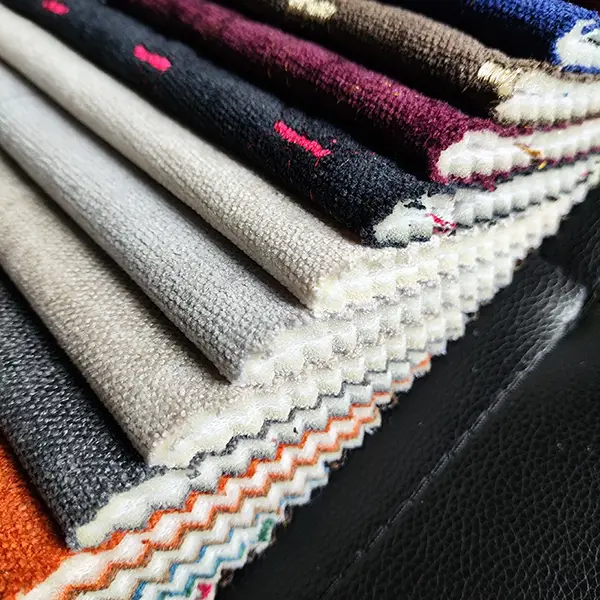
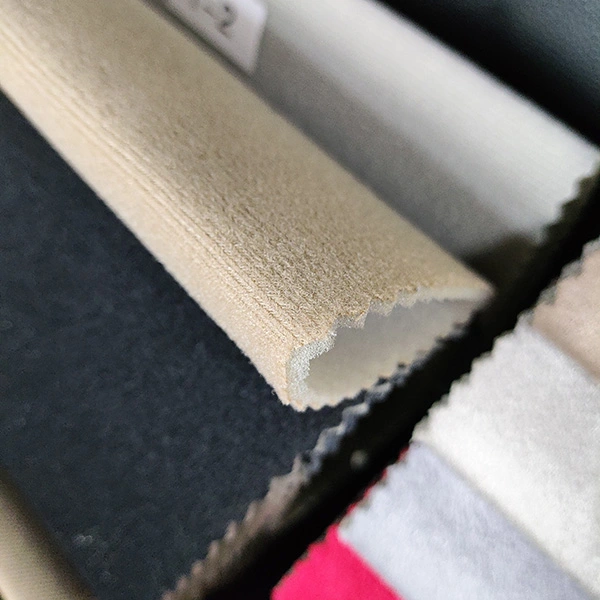
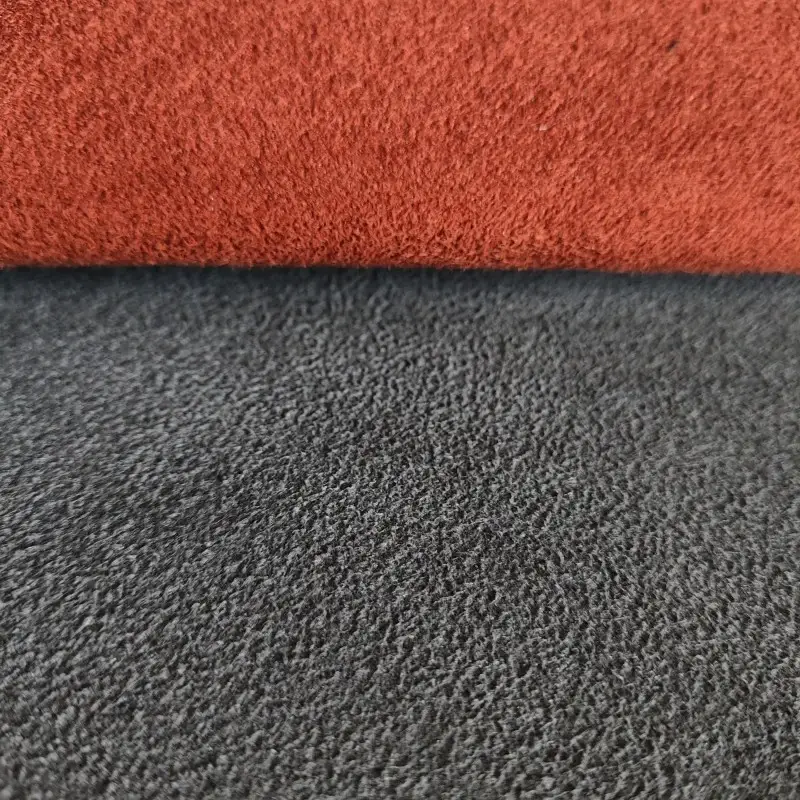
| Microfiber “Leather” (Synthetic Suede/Leather) | Breathable feel, good abrasion performance, often pet-friendly texture options | Some versions absorb oils/stains; cleaning method must match finish | Homes with pets, warm climates, “soft-touch” premium fabric-leather aesthetic |
| Genuine Leather | Natural grain character, long-term aging potential, prestige perception | Higher cost; natural variation; needs proper care; stain sensitivity depends on finish | Premium furniture lines and customers who want natural materials |
| Bonded/Composite Leather | Lower cost “leather content” option | Higher risk of delamination and surface breakdown over time | Budget products where lifespan expectations are clearly limited |
Instead of asking “Which upholstery leather is best?”, ask “What is it surviving?” Use this quick matching logic:
If you want fewer surprises, stop sending vague messages like “premium quality please.” Copy, paste, and adjust the checklist below when requesting Upholstery Leather samples and quotations:
Tip: If a supplier can’t answer these clearly, the risk isn’t just “communication.” It’s that the material may not be engineered for your reality.
You don’t need a lab to do smart screening. A good sampling process catches most problems early:
Even excellent Upholstery Leather can look tired early if it’s cleaned the wrong way. This is the simple rule set that keeps surfaces stable:
If your project needs flexible customization and dependable performance options, Ningbo Most-Textile Trading Co., Ltd. focuses on upholstery leather solutions designed for real furniture use—sofas, chairs, headboards, and indoor soft furnishings. Many buyers come in with a single request like “easy to clean,” but end up specifying a full performance package: anti-fouling and waterproof surface treatment, wear resistance, UV resistance for bright interiors, and optional flame-retardant processes when required.
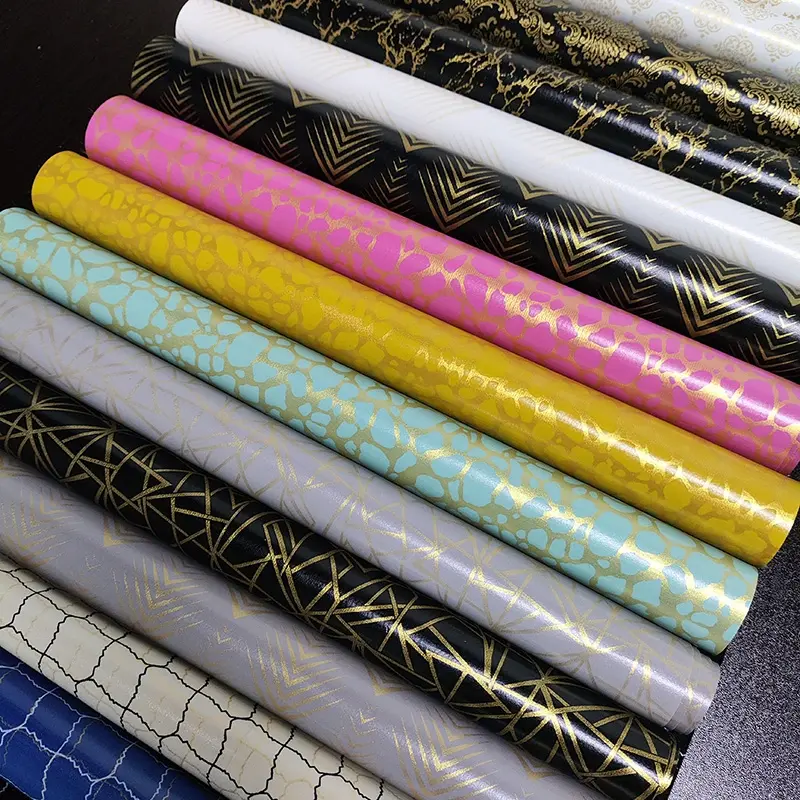
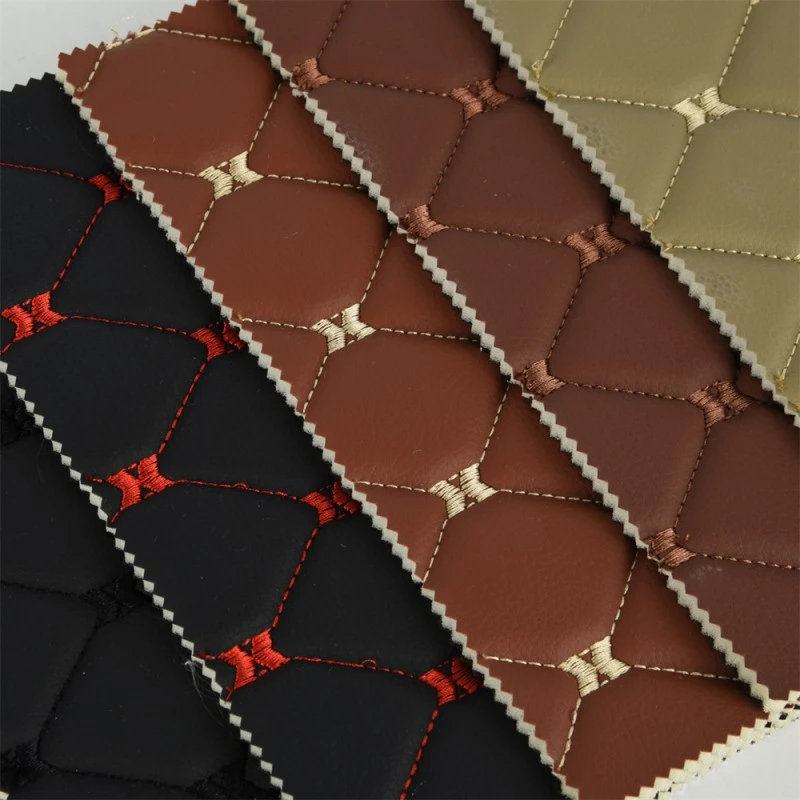
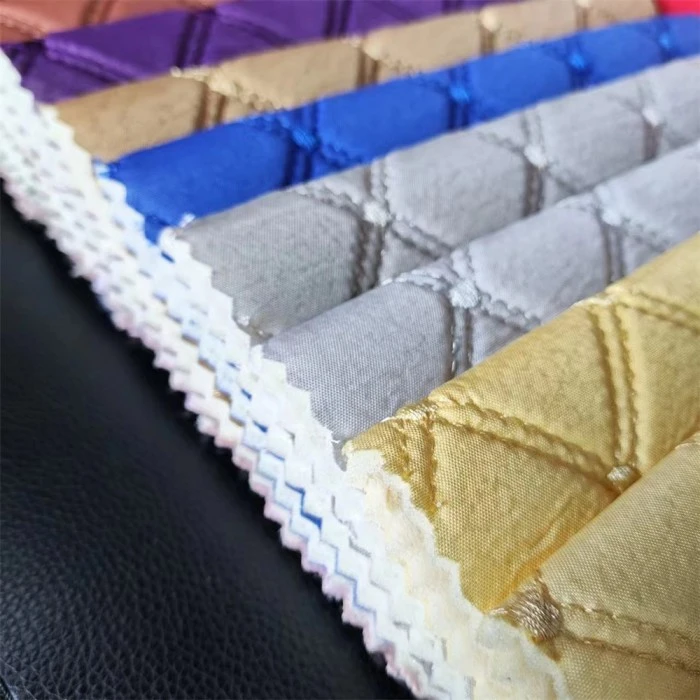
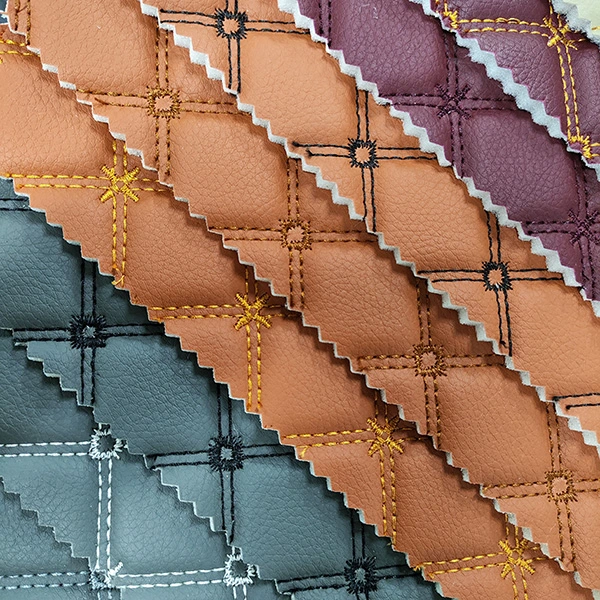
On the design side, the practical advantage is variety: different surface styles (such as matte, glossy, embossed, or frosted effects), broad color customization (including Pantone matching when you have a defined target), and adjustable thickness/softness to match different upholstery structures. A solid supplier workflow also matters here: pattern catalogs, physical samples, and development based on your pictures or reference samples can reduce guesswork before bulk production.
Q: Will upholstery leather peel after a year?
A: It can—if hydrolysis resistance and layer adhesion weren’t engineered for your climate and usage. Ask for durability testing that matches humidity/heat exposure, and always run a meter sample upholstery trial before committing.
Q: Is PU or PVC better for sofas?
A: “Better” depends on priorities. PU often wins on softness and a more leather-like touch, while PVC can excel in wipe-clean practicality and structure for heavy-use areas. The finish system and test performance matter more than the label.
Q: How do I avoid color mismatch between batches?
A: Approve color using physical swatches, agree on lighting conditions for evaluation, and request batch-to-batch control procedures. For repeat orders, keep a signed “golden sample” as the reference standard.
Q: What should I ask for if my customers have pets?
A: Request higher abrasion resistance, a grain/texture that hides micro-scratches, and a topcoat designed for easy cleaning. Also test how fur and claws interact with the surface in a real-use trial.
Q: Can upholstery leather be both soft and durable?
A: Yes, but it requires proper construction (topcoat + base layer + backing) and the right thickness/elasticity balance. Always validate with abrasion and flex testing, not just touch feel.
Q: What’s the smartest sample plan?
A: Start with color swatches for selection, then A4 samples for quick tests, and finally a meter sample to upholster a small panel or cushion. This catches sewing behavior, wrinkling, and real cleaning performance.
Buying Upholstery Leather shouldn’t feel like gambling. If you define the use case, request the right performance targets, and verify with practical sampling, you can get a surface that looks great on day one—and still looks great after real life does its thing.
Ready to specify the right upholstery leather for your project? Share your application, target color, and performance requirements, and contact us for samples and a solution that matches your market and usage needs.