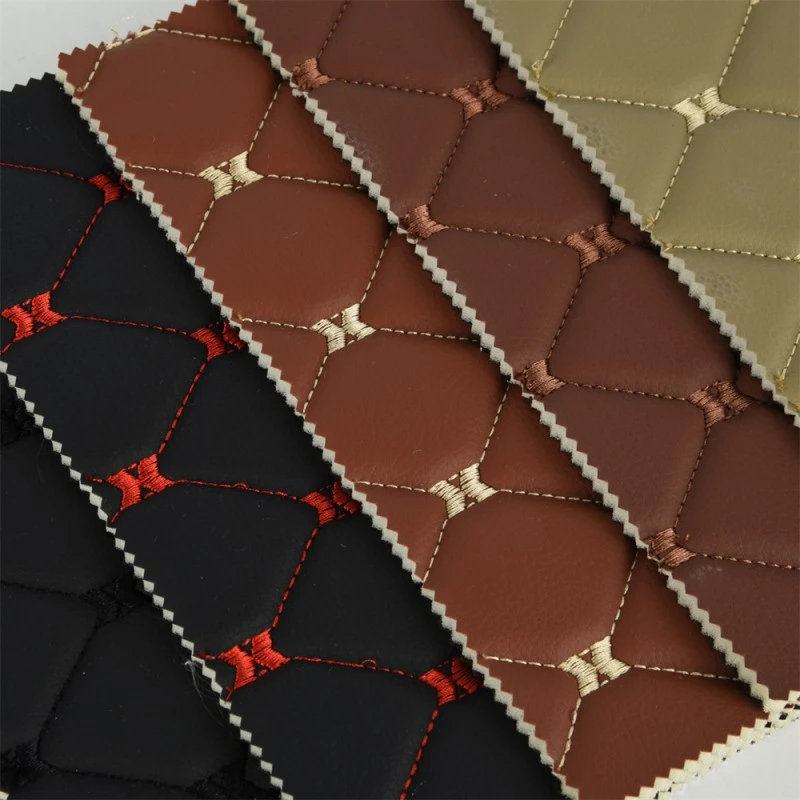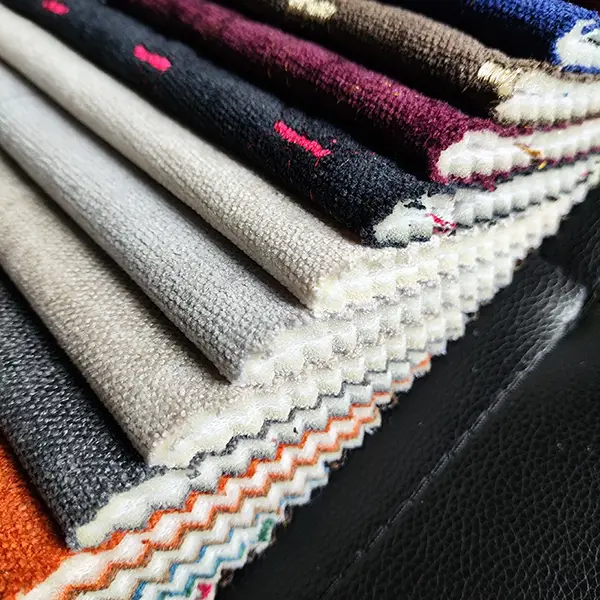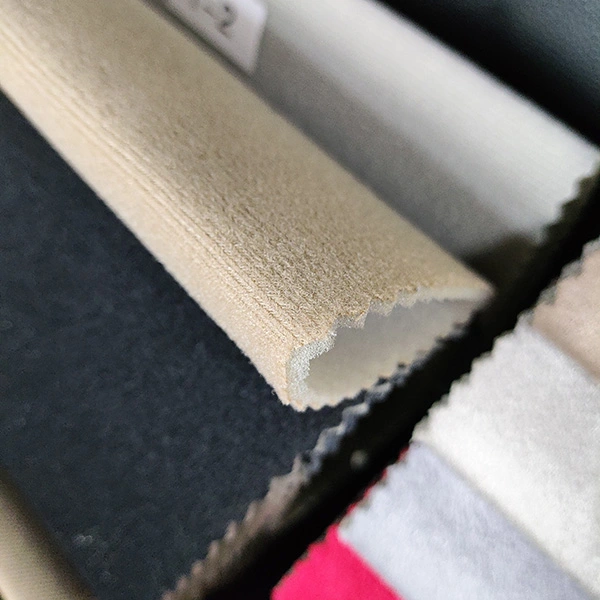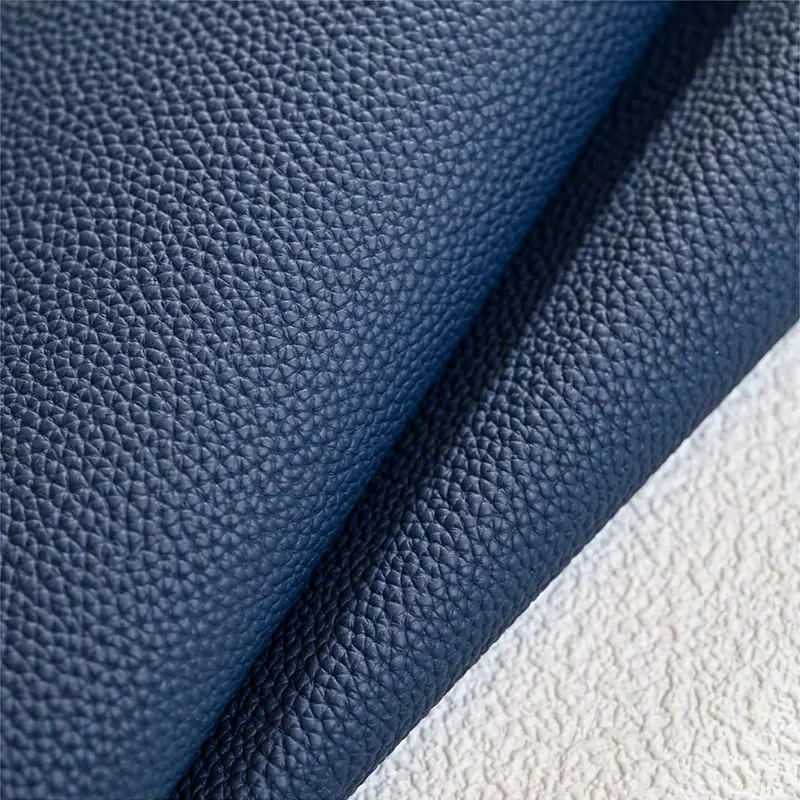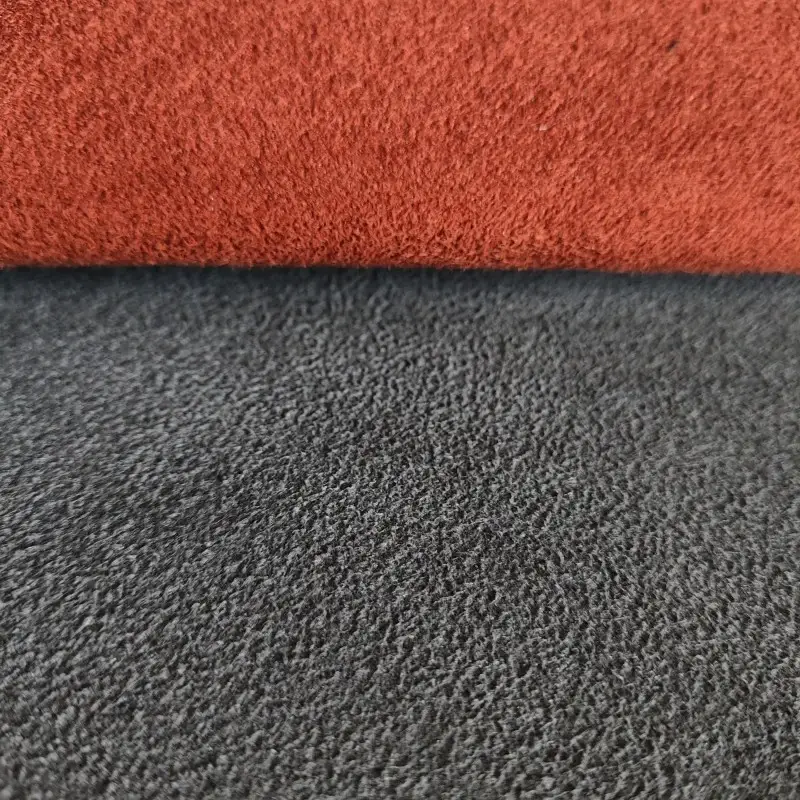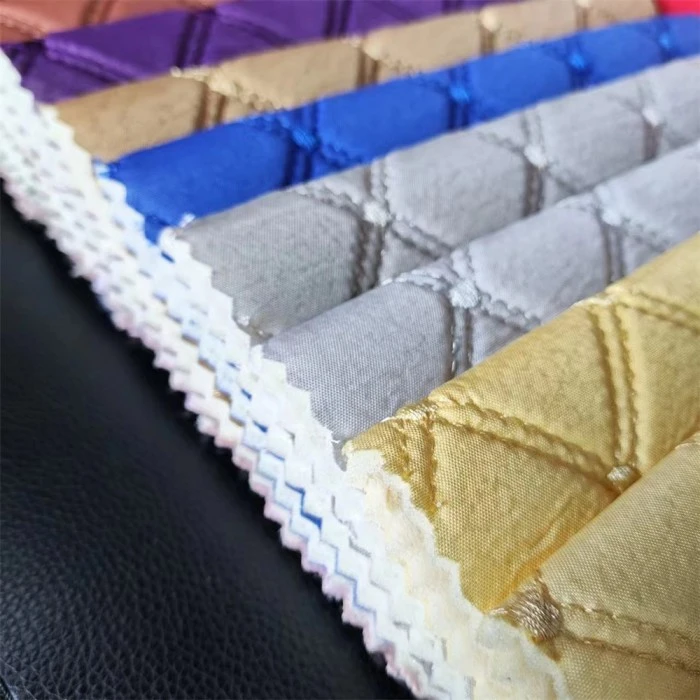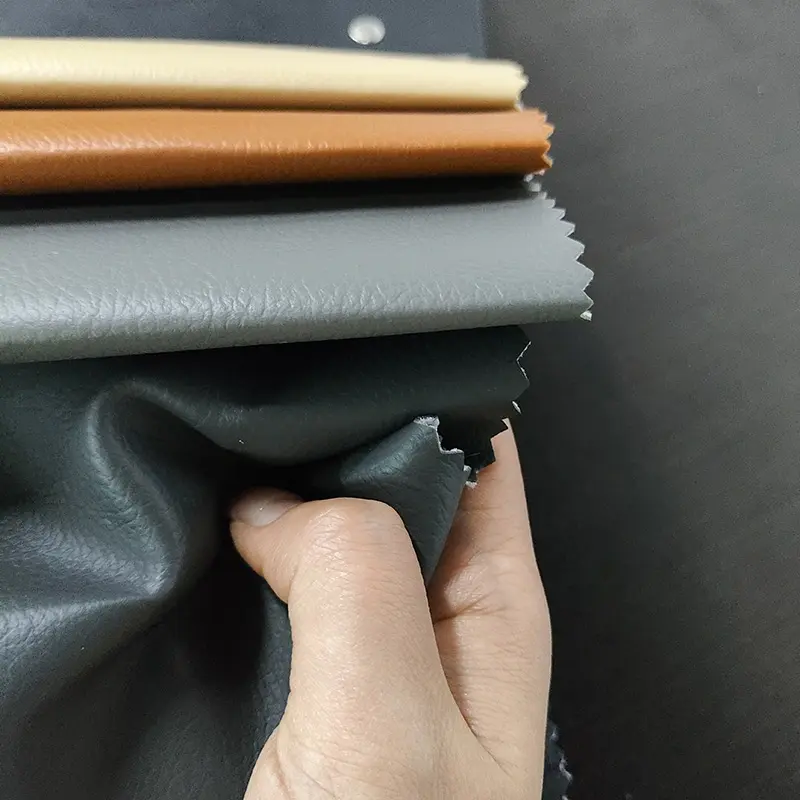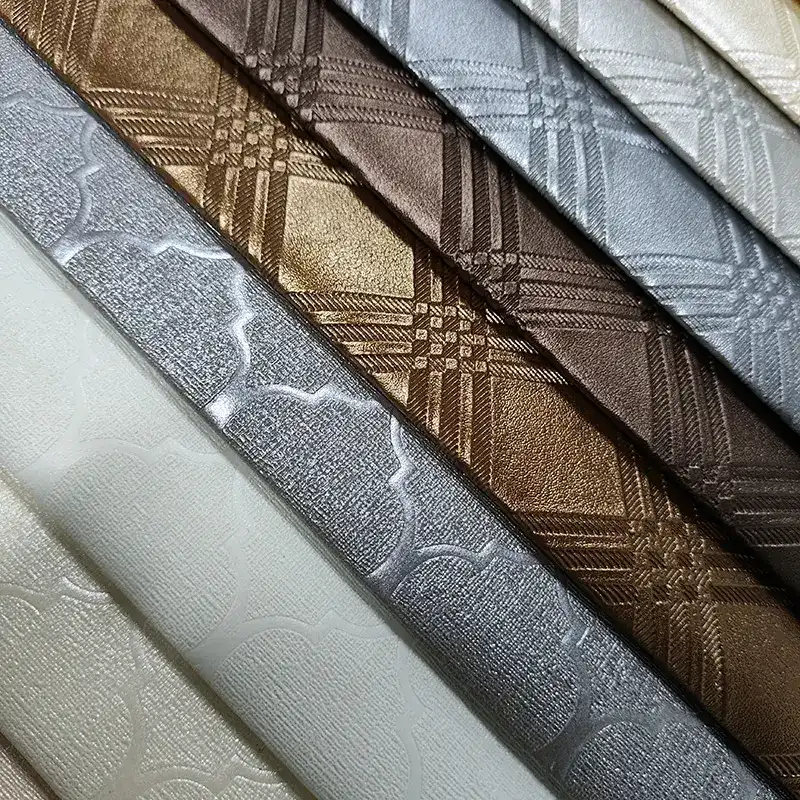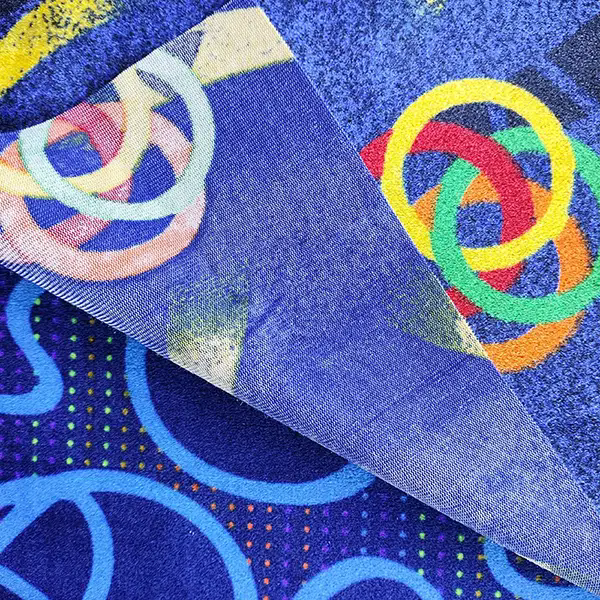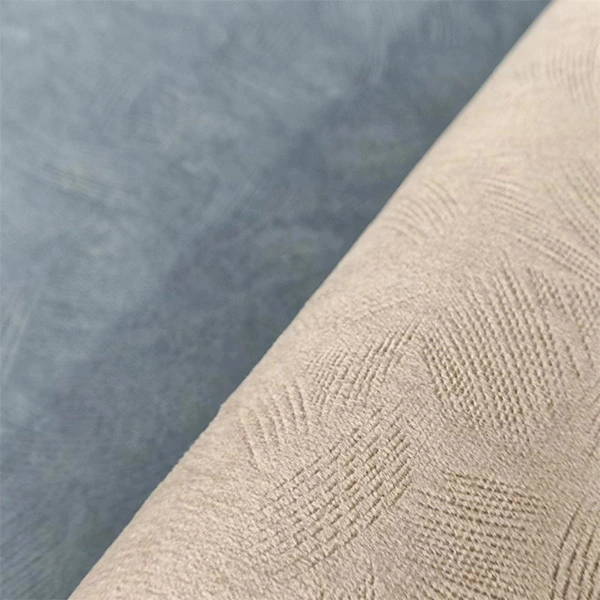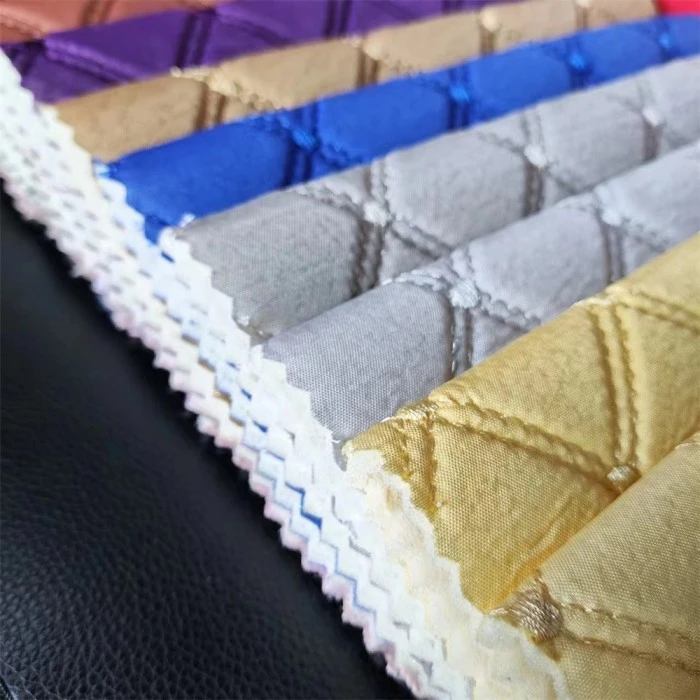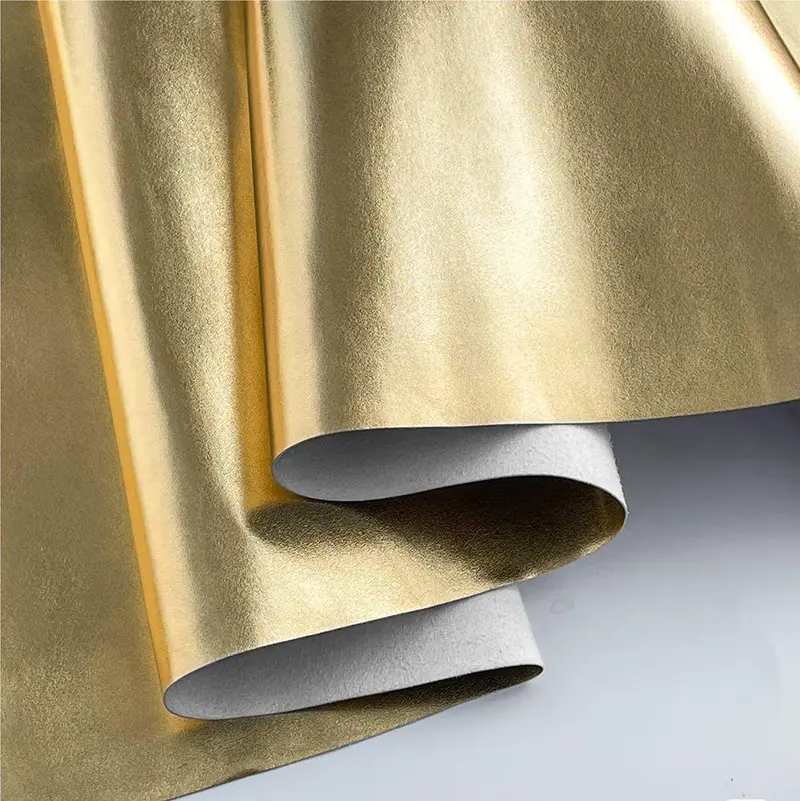
Jacquard car fabric has become a pivotal material in modern automotive interior design, valued for its durability, pattern precision, and elevated aesthetic appeal. Unlike printed fabrics, Jacquard textiles are woven on specialized looms that interlace yarns directly into complex patterns, ensuring long-term color stability, enhanced tensile strength, and a premium tactile experience. As automotive manufacturers increasingly prioritize comfort, sustainability, and visual sophistication, this woven technology provides a solution that balances performance, visual richness, and functional resilience.
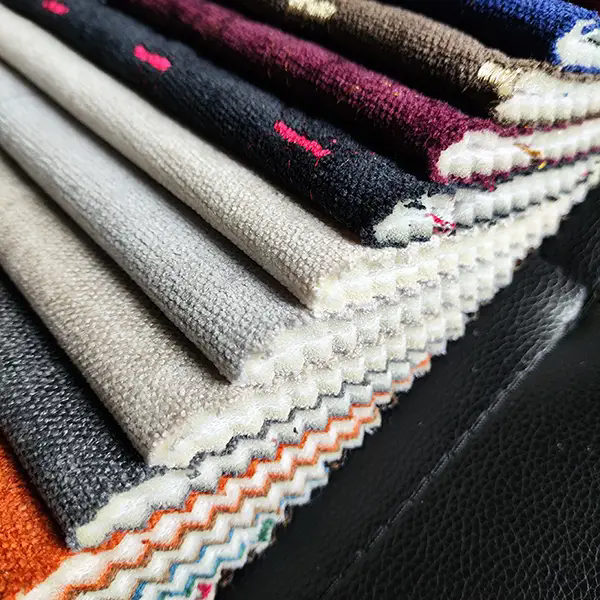
Jacquard car fabric distinguishes itself through an engineered weave structure. The integration of warp and weft fibers forms multi-dimensional textures, enabling:
High abrasion resistance suitable for high-traffic areas such as seats and door panels.
Long-lasting color fidelity due to woven patterns that do not fade like surface-printed designs.
Enhanced comfort and breathability, especially when blended with polyester or performance yarns.
Flexible design customization, accommodating geometric, gradient, or organic patterns without compromising strength.
Thermal and UV stability, making the fabric suitable for diverse climates.
These properties position Jacquard fabrics as a preferred choice for passenger vehicles, commercial fleets, luxury automobiles, and electric vehicle interior platforms where visual and functional performance must coexist.
The performance of Jacquard car fabric relies on measurable technical parameters, ensuring stability, durability, and compliance with automotive standards. Below is a typical parameter set used in professional procurement and OEM integration:
| Parameter Category | Specification Details |
|---|---|
| Composition | 100% Polyester / Poly-Blends / Customized Yarn Systems |
| Weave Structure | Jacquard Woven (Multi-Layer or Single-Layer) |
| Weight | 220–380 g/m² (Adjustable per model) |
| Width | 140–150 cm |
| Abrasion Resistance | 30,000–80,000+ Martindale cycles |
| Color Fastness (Rubbing) | Dry: 4–5 Grade / Wet: 3–4 Grade |
| Color Fastness (Light) | 4–6 Grade |
| Tensile Strength | Warp: 450–900 N / Weft: 350–700 N |
| Elongation Ratio | Warp: 15–30% / Weft: 20–40% |
| Flame Retardancy | Compliant with FMVSS 302 or customized standards |
| UV Resistance | 500–1200 hours depending on yarn system |
| Surface Treatment Options | Anti-Static, Anti-Pilling, Water-Repellent, Anti-Bacterial, Easy-Clean |
| Pattern Customization | Geometric, Embossed Effect, Gradient, 3D Texture, Logo Integration |
| Applications | Car Seats, Door Panels, Headliners, Backrests, Trunk Linings |
These specifications ensure that the fabric meets the stringent requirements of both vehicle manufacturers and aftermarket customization markets.
The structural interlocking of yarns creates a dense, strong fabric surface that resists seat friction from daily use. Unlike knitted or printed materials, the durability comes from the weave itself rather than applied coatings.
Patterns formed through yarn-dyed weaving embed the color into every fiber. This process prevents fading caused by sunlight exposure, humidity, or abrasion, maintaining visual consistency throughout the vehicle’s lifespan.
Jacquard fabrics typically include breathable fiber arrangements that regulate airflow. This ensures comfortable seating even during prolonged use or in warm climates, aligning with ergonomic design principles.
Texture depth, visual richness, and customized patterning contribute to a premium, handcrafted impression. Automotive brands increasingly rely on this to differentiate interior style across vehicle tiers.
As the industry shifts toward greener solutions, Jacquard fabrics are expected to integrate:
Recycled polyester
Bio-based yarns
Low-energy dyeing systems
Circular production models
These changes support automotive sustainability standards without compromising performance.
Electric and autonomous vehicles prioritize sensory design. Future Jacquard textiles may incorporate:
Embedded conductive fibers
Smart temperature-adaptive yarns
Light-responsive pattern transitions
Anti-microbial functions for shared mobility vehicles
OEMs and aftermarket providers increasingly demand:
Personalized textures
Model-specific patterns
Co-branded interior fabric lines
Jacquard weaving is ideal for such customization because the loom-controlled structure enables intricate, durable patterns at scale.
Weight reduction directly affects vehicle efficiency. Jacquard fabrics can be engineered with:
High-tenacity fibers
Optimized weave density
Lightweight performance coatings
This maintains strength while contributing to improved energy efficiency in EVs and hybrid cars.
Q1: How does Jacquard car fabric differ from ordinary automotive upholstery fabric?
A: Jacquard fabric is woven using programmable loom technology that creates patterns through structural yarn interlacing rather than surface printing. This results in better color retention, higher abrasion resistance, richer texture, and long-lasting aesthetics. Ordinary printed or knitted fabrics generally lack comparable pattern depth and long-term durability.
Q2: How should Jacquard car fabric be maintained to ensure long service life?
A: Maintenance typically involves routine vacuuming, mild detergent cleaning, and avoiding solvent-based chemicals. The woven structure already resists pilling and deformation, but periodic fabric protection treatments can enhance stain resistance, especially for vehicles used in commercial or high-traffic environments.
Jacquard car fabric is becoming a defining material in automotive interior engineering due to its durability, woven-in pattern precision, advanced comfort characteristics, and adaptability to modern consumer expectations. Its ability to merge function with aesthetics makes it suitable for both mass-market vehicles and premium automotive platforms.
As the industry moves toward sustainable, customizable, and technology-integrated interiors, Jacquard fabrics will continue evolving with new yarn systems, functional finishes, and eco-friendly production methods. Among the manufacturers specializing in this field, Ningbo Most-Textile Trading Co. Ltd. provides comprehensive solutions for OEMs, aftermarket distributors, and design development teams seeking reliable, high-performance Jacquard car fabric.
For inquiries, specifications, sampling, or collaboration opportunities, contact us to explore how advanced Jacquard car fabrics can enhance your automotive interior projects.