At the end of a long day, the difference between a comfortable pair of shoes and an uncomfortable one often comes down to a single factor: breathability. A shoe that does not allow moisture vapor to escape will trap perspiration inside the footwear. The result is a damp, warm environment that promotes bacterial growth, causes odor, and leads to skin irritation. For people who wear shoes for eight, ten, or twelve hours a day, this is not a minor inconvenience; it is a daily source of discomfort that can escalate into serious foot health problems. This is why breathable Shoe Leather is important for daily wear. It is not just a luxury feature; it is a functional requirement that determines whether a shoe can be worn comfortably for extended periods.
The science of breathability in Shoe Leather is more complex than simply punching holes in the material. It involves the natural structure of leather, the tanning process, the finishing techniques, and the construction of the shoe. A truly breathable leather allows moisture vapor to pass through while repelling liquid water. It regulates temperature by allowing excess heat to escape. It maintains a microclimate inside the shoe that is conducive to foot health. This article will examine the technical and practical reasons why breathable Shoe Leather is essential for daily wear. We will cover the mechanisms of moisture transport, the factors that affect breathability, the health consequences of non-breathable footwear, and the specifications that define high-quality breathable leather from our factory at Ningbo Most-Textile Trading Co., Ltd.
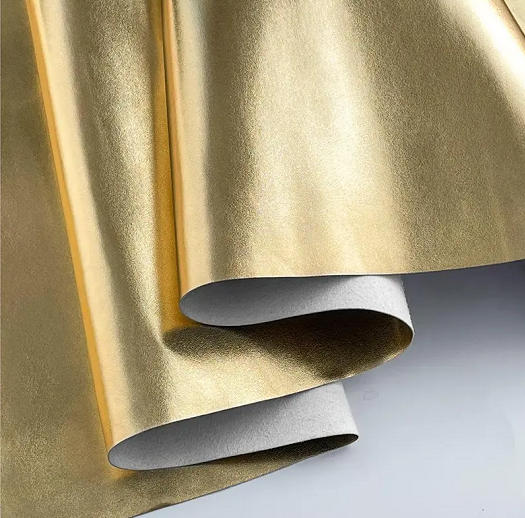
Breathability in Shoe Leather refers to the material's ability to allow moisture vapor and air to pass through it. This is distinct from waterproofness, which is the ability to repel liquid water. A material can be both breathable and waterproof if it allows vapor molecules to pass through while blocking liquid water molecules. The mechanism of breathability in leather is rooted in its natural structure. Leather is composed of a network of collagen fibers that are interwoven in a three-dimensional pattern. Between these fibers are microscopic spaces, or pores, that allow air and moisture vapor to pass through. The tanning process and the finishing process can affect the size and number of these pores, and therefore the breathability of the leather.
To understand how breathability works, it is helpful to think of leather as a natural membrane. When the foot perspires, the moisture is in the form of vapor. The vapor molecules are small enough to pass through the pores in the leather. Once they reach the outer surface, they evaporate into the air. If the leather is not breathable, the vapor cannot escape, and it condenses into liquid sweat inside the shoe. This is why breathability is essential for comfort. The table below illustrates the size of common molecules and particles relative to the pores in leather.
| Substance | Approximate Size (micrometers) | Can Pass Through Leather Pores? |
| Water vapor (moisture) | 0.0004 | Yes |
| Air (oxygen, nitrogen) | 0.0003 | Yes |
| Liquid water | 100 - 3,000 | No (repelled by surface tension) |
| Bacteria | 1 - 10 | No (too large for pores) |
| Dust particles | 1 - 100 | No (too large for pores) |
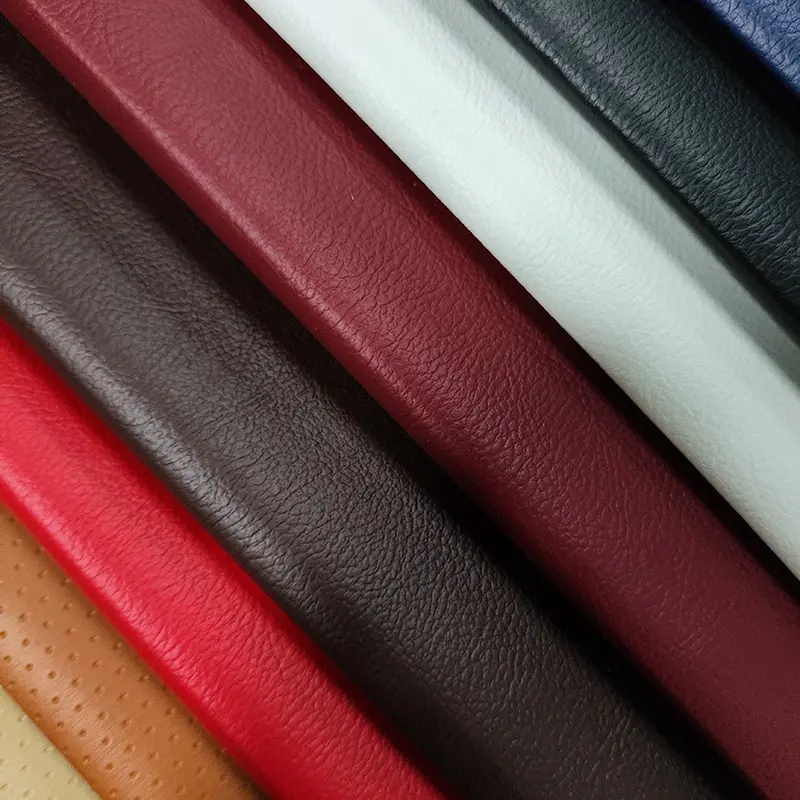
At Ningbo Most-Textile Trading Co., Ltd., our factory specializes in sourcing and supplying high-quality breathable Shoe Leather for footwear manufacturers. We understand the science of breathability and work with tanneries that use processes designed to preserve the natural porosity of the leather. Our leather is tested for moisture vapor transmission rate (MVTR) and air permeability to ensure that it meets the breathability requirements of daily wear footwear.
The human foot contains approximately 250,000 sweat glands, more per square centimeter than any other part of the body. During a typical day of walking and standing, each foot can produce up to 100 milliliters of sweat. If this moisture is not managed effectively, it creates a warm, damp environment inside the shoe. This environment is ideal for the growth of bacteria and fungi. The bacteria break down the sweat and produce odor. The fungi can cause athlete's foot, a common and uncomfortable skin infection. In addition to these problems, prolonged exposure to moisture can cause the skin to macerate, becoming soft, white, and prone to blistering and infection. For people with diabetes or compromised circulation, these issues can escalate into serious medical conditions.
Breathable Shoe Leather plays a critical role in moisture management. By allowing moisture vapor to escape, it keeps the interior of the shoe dry. The skin of the foot remains dry and intact, resistant to infection and irritation. The growth of bacteria and fungi is inhibited because the environment is less hospitable. The table below summarizes the health consequences of poor moisture management and the benefits of breathable leather.
| Factor | Non-Breathable Shoe | Breathable Leather Shoe |
| Moisture Level | High; sweat accumulates | Low; moisture vapor escapes |
| Bacterial Growth | Promoted | Inhibited |
| Fungal Growth (Athlete's Foot) | Promoted | Inhibited |
| Skin Maceration | Common | Rare |
| Blister Formation | Frequent | Infrequent |
| Odor | Persistent | Minimal |
| Overall Foot Health | Poor | Good |
At our factory, we understand that moisture management is not just a comfort issue; it is a health issue. We supply breathable Shoe Leather to footwear brands that prioritize the health and well-being of their customers. Our leather is selected for its high moisture vapor transmission rate, ensuring that the shoes made from it will keep feet dry and healthy throughout the day.
In addition to managing moisture, breathable Shoe Leather also helps to regulate the temperature inside the shoe. The foot is a highly vascularized part of the body, and it generates a significant amount of heat. If this heat cannot escape, the temperature inside the shoe rises, causing discomfort and increasing perspiration. Breathable leather allows heat to dissipate through the same pores that allow moisture vapor to escape. This helps to maintain a stable, comfortable temperature inside the shoe, regardless of the external conditions. In cold weather, breathable leather allows excess heat to escape while the insulation properties of the leather help to retain warmth. In hot weather, it allows heat to escape more rapidly, keeping the foot cool.
The temperature regulation provided by breathable leather is particularly important for people who wear shoes for extended periods. A shoe that does not breathe will cause the foot to overheat, leading to discomfort and fatigue. Over time, the constant exposure to elevated temperatures can also affect the structure of the leather, causing it to dry out and crack. Breathable leather, by contrast, maintains a more stable internal environment, which is better for both the foot and the shoe. The table below illustrates the temperature difference between a breathable leather shoe and a non-breathable synthetic shoe during a typical day of wear.
| Time of Day | External Temperature (°C) | Breathable Leather Shoe Internal Temp (°C) | Non-Breathable Shoe Internal Temp (°C) |
| Morning | 20 | 24 | 27 |
| Midday | 28 | 30 | 34 |
| Afternoon | 30 | 31 | 36 |
| Evening | 25 | 27 | 31 |
At Ningbo Most-Textile Trading Co., Ltd., we supply breathable Shoe Leather that is designed to provide optimal temperature regulation. Our leather is tested for thermal conductivity and air permeability to ensure that it meets the requirements of daily wear footwear. We work with footwear manufacturers to select the right leather for their specific application, whether it is for summer sandals or winter boots.
The breathability of Shoe Leather is not a fixed property. It is influenced by a range of factors, including the type of animal, the tanning process, the thickness of the leather, and the finishing techniques. The type of animal affects the natural porosity of the leather. Leather from cattle, for example, has a different pore structure than leather from sheep or goats. The tanning process can also affect breathability. Vegetable-tanned leathers tend to retain more of the natural porosity of the hide, while chrome-tanned leathers may have a tighter structure. The thickness of the leather is another factor; thinner leathers are generally more breathable than thicker ones. Finally, the finishing techniques, such as coating or spraying, can seal the pores and reduce breathability. The table below summarizes the factors that affect breathability and their impact.
| Factor | Impact on Breathability | Notes |
| Animal Type | High | Cattle, sheep, goat have different pore structures |
| Tanning Process | High | Vegetable-tanned retains more porosity |
| Leather Thickness | Moderate | Thinner leather is more breathable |
| Finishing Technique | High | Coatings and sprays can seal pores |
| Perforation | Very High | Perforated leather has enhanced breathability |
| Lining Material | Moderate | Breathable linings enhance overall performance |
At our factory, we work with tanneries that specialize in producing breathable Shoe Leather. We select leathers that have been processed to preserve their natural porosity, and we offer a range of finishing options that do not compromise breathability. We also offer perforated leathers for applications that require maximum breathability. Our technical team can advise on the best leather for your specific application.
When evaluating the breathability of footwear materials, it is important to compare leather to synthetic alternatives. Synthetic materials, such as PU (polyurethane) and PVC (polyvinyl chloride), are commonly used in footwear because they are inexpensive and easy to manufacture. However, they are generally less breathable than leather. The structure of synthetic materials is typically a solid film or a tightly woven fabric that does not have the natural pores of leather. This means that moisture vapor and heat cannot escape as easily, leading to a warmer, damper environment inside the shoe. The table below compares the breathability of leather to common synthetic materials.
| Material | Breathability | Moisture Management | Temperature Regulation |
| Breathable Leather | Excellent | Excellent | Excellent |
| PU Leather | Poor | Poor | Poor |
| PVC Leather | None | None | None |
| Mesh Fabric | Excellent | Good | Good |
| Canvas | Good | Moderate | Moderate |
While mesh fabrics offer excellent breathability, they do not provide the durability, water resistance, or aesthetic appeal of leather. Breathable leather offers the best combination of breathability, durability, and appearance. This is why it remains the preferred material for high-quality daily wear footwear. At Ningbo Most-Textile Trading Co., Ltd., we supply breathable Shoe Leather that outperforms synthetic materials in all these categories. Our leather is used by footwear brands that are committed to providing their customers with comfortable, healthy, and long-lasting shoes.
The quality of breathable Shoe Leather is defined by a set of technical specifications. These include the moisture vapor transmission rate (MVTR), the air permeability, the thickness, the tensile strength, and the finish. The table below provides a summary of the key specifications for our breathable Shoe Leather.
| Specification | Typical Range | Importance |
| Moisture Vapor Transmission Rate (MVTR) | > 2,000 g/m²/24h | Determines moisture management performance |
| Air Permeability | > 1.0 L/m²/s | Determines heat dissipation and breathability |
| Thickness | 0.8 - 1.4 mm | Affects breathability, durability, and weight |
| Tensile Strength | > 15 N/mm² | Ensures durability and resistance to tearing |
| Finish | Aniline, Semi-Aniline, Pigmented | Affects breathability and appearance |
| Tanning | Vegetable, Chrome, Combination | Affects porosity and environmental impact |
At our factory, we test every batch of Shoe Leather for these specifications. We work with tanneries that use state-of-the-art equipment and processes to ensure consistent quality. We also offer a range of finishes and tanning options to suit different customer requirements. Our technical team can assist with material selection based on your specific application and performance requirements.
Question 1: Is all leather breathable?
Answer: No, not all leather is breathable. The breathability of leather depends on the type of animal, the tanning process, the thickness, and the finishing techniques. Some leathers are treated with coatings or finishes that seal the pores and reduce breathability. At Ningbo Most-Textile Trading Co., Ltd., we supply leather that is specifically selected and processed for high breathability.
Question 2: How can I tell if a leather shoe is breathable?
Answer: There are several ways to tell if a leather shoe is breathable. First, look for leather that has a natural, uncoated finish. Aniline and semi-aniline leathers are generally more breathable than pigmented or coated leathers. Second, look for perforations or mesh panels, which enhance breathability. Third, check the product specifications for the moisture vapor transmission rate (MVTR). A higher MVTR indicates better breathability. Finally, read customer reviews and look for comments about comfort and breathability.
Question 3: Does breathable leather compromise water resistance?
Answer: No, breathable leather does not necessarily compromise water resistance. Leather can be treated with water-repellent finishes that allow moisture vapor to escape while repelling liquid water. The key is to use a finish that does not seal the pores completely. At our factory, we offer breathable leathers that are also water-resistant, providing the best of both worlds.
Question 4: How do I care for breathable leather shoes?
Answer: To care for breathable leather shoes, clean them regularly with a soft, damp cloth and a mild leather cleaner. Avoid using excessive water or harsh chemicals. Allow the shoes to air dry naturally, away from direct heat. Apply a breathable leather conditioner to keep the leather supple and maintain its breathability. Avoid using waterproofing sprays that can clog the pores and reduce breathability. With proper care, breathable leather shoes will provide comfort and performance for years.
Question 5: Is breathable leather more expensive than synthetic materials?
Answer: Yes, breathable leather is generally more expensive than synthetic materials. However, the higher initial cost is offset by the superior comfort, durability, and health benefits. Leather shoes last longer than synthetic shoes, and they provide better moisture management and temperature regulation. When evaluated over the life of the shoe, breathable leather is often the more economical choice.
Breathable Shoe Leather is important for daily wear because it provides the moisture management and temperature regulation that feet need to stay healthy and comfortable. Without breathability, perspiration accumulates inside the shoe, creating an environment that promotes bacterial growth, odor, and skin problems. Breathable leather allows moisture vapor and heat to escape, keeping the foot dry and cool. It is a natural, durable, and aesthetically superior material that outperforms synthetic alternatives. At Ningbo Most-Textile Trading Co., Ltd., our factory is dedicated to supplying high-quality breathable Shoe Leather to footwear manufacturers around the world. We understand the science of breathability, and we work with our customers to select the right leather for their specific application.
Whether you are a footwear brand looking for a reliable supplier of breathable leather or a manufacturer seeking to improve the comfort and performance of your products, we invite you to contact us to learn more about our Shoe Leather products. We offer a wide range of leathers with different specifications and finishes, and we can provide technical support and samples for evaluation. Our commitment to quality and customer satisfaction has made us a trusted partner for businesses around the world.
Contact Ningbo Most-Textile Trading Co., Ltd. today to discuss your breathable Shoe Leather requirements and discover how our materials can improve the comfort and health of your footwear products.
-