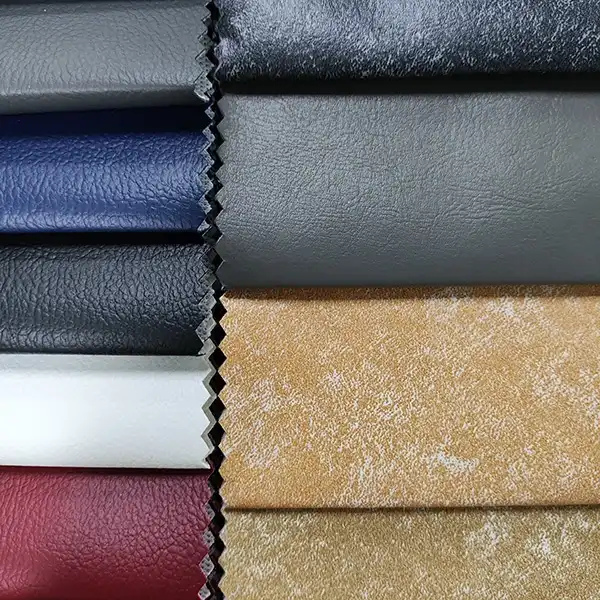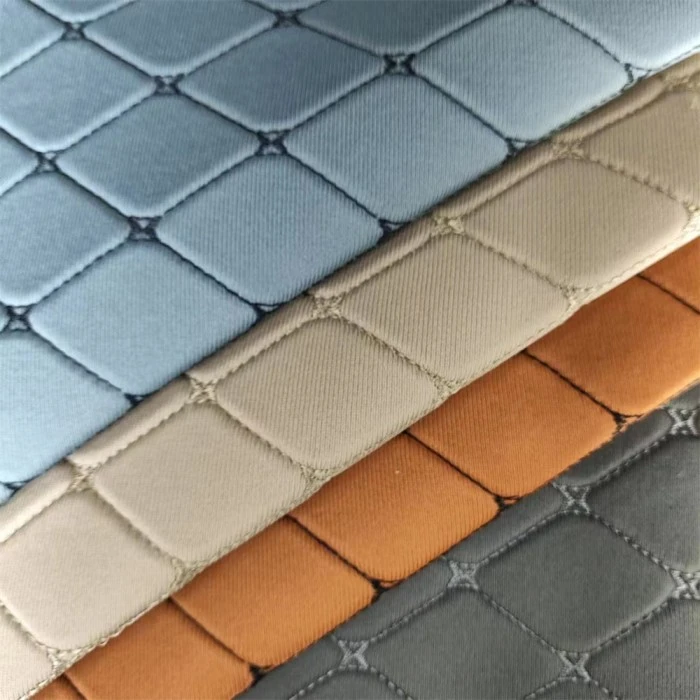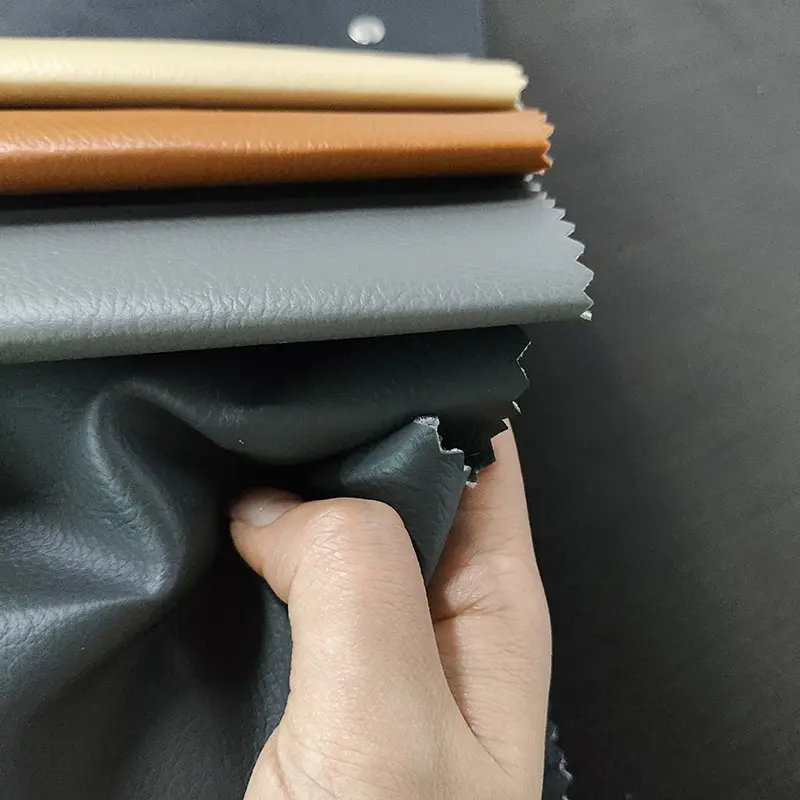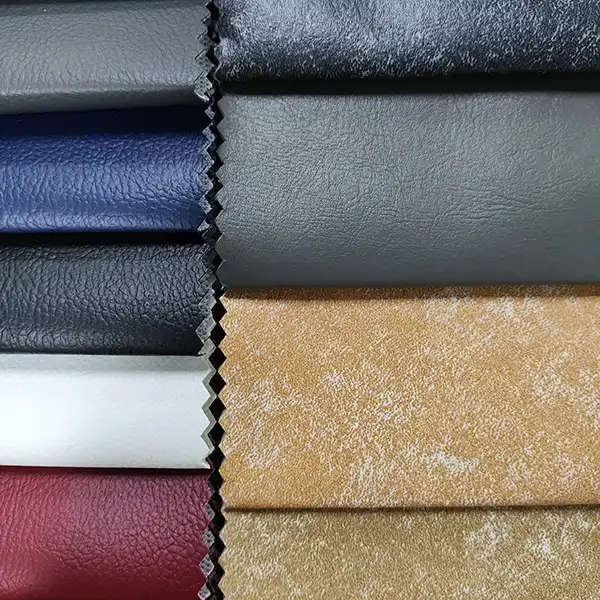
Abstract: Choosing the right upholstery material is rarely just about looks—comfort, breathability, durability, safety compliance, and long-term maintenance all matter. This guide breaks down what Burnout Car Fabric is, why it’s used in premium-feeling interiors, which performance details buyers often miss, and how to specify, test, and source it with fewer surprises. You’ll also get a practical checklist, a quick comparison table, and FAQs to help you make confident decisions for car seats, door panels, and trim applications.
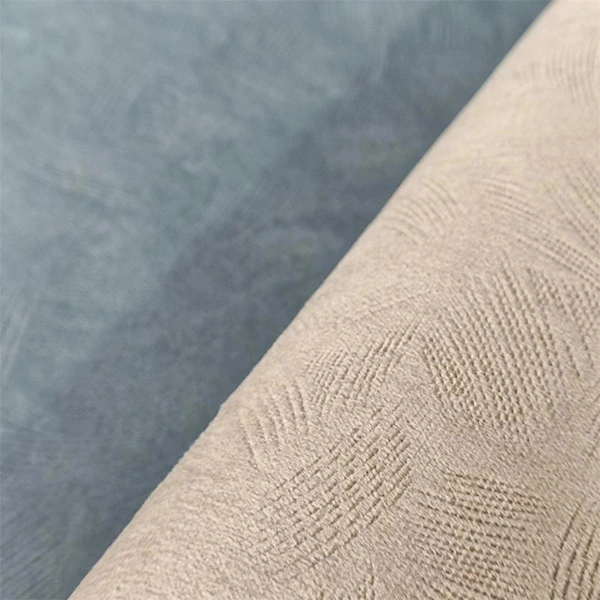
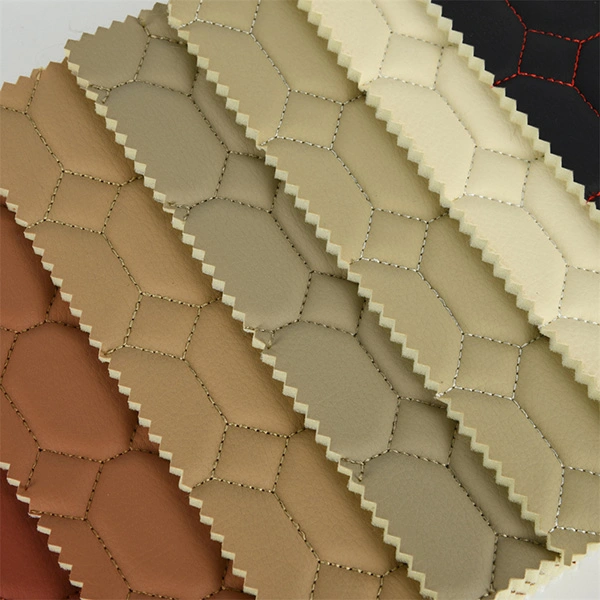
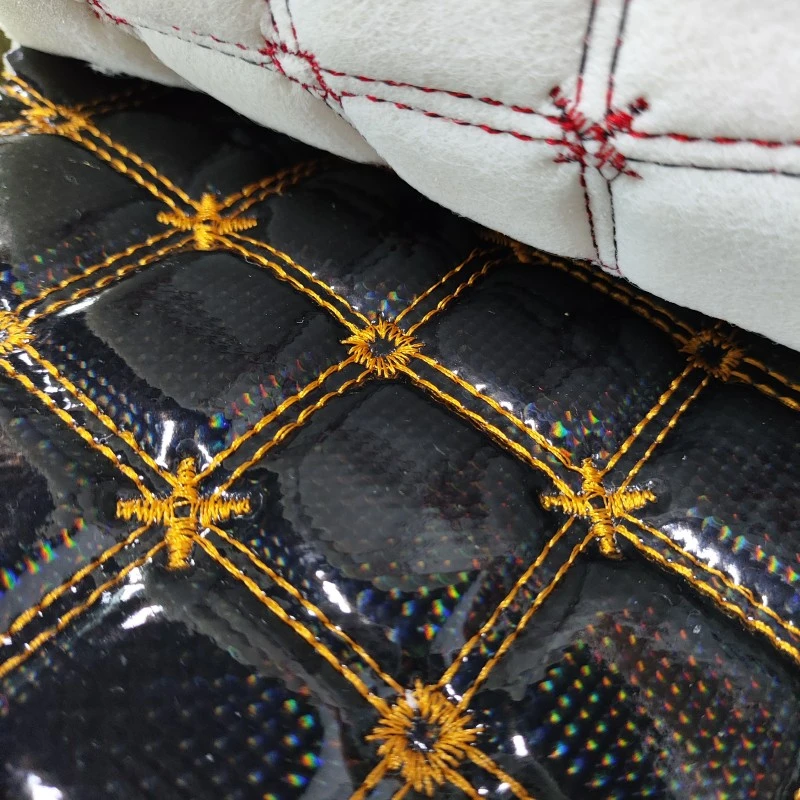
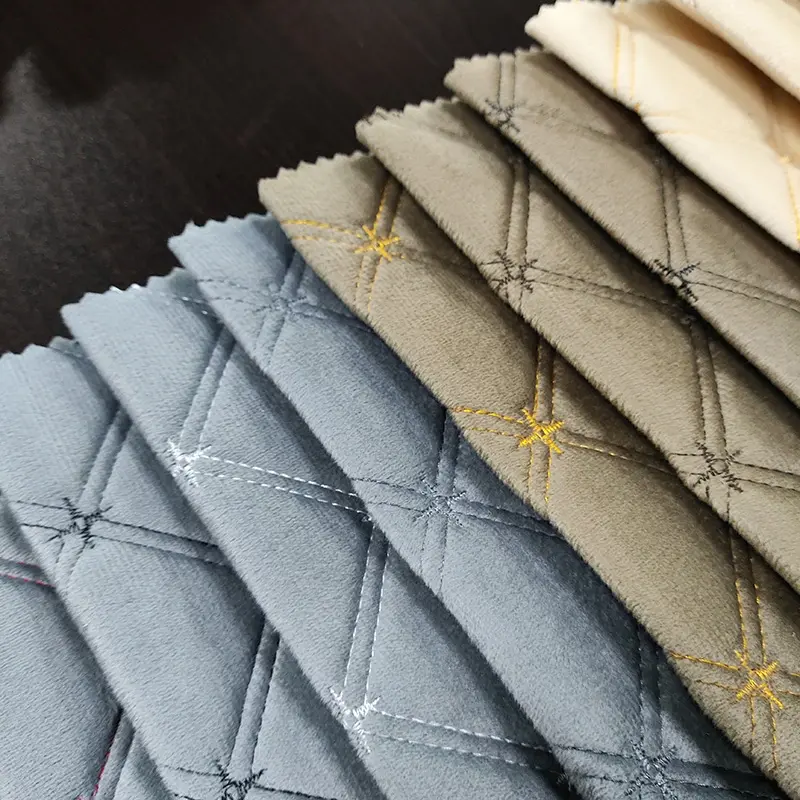
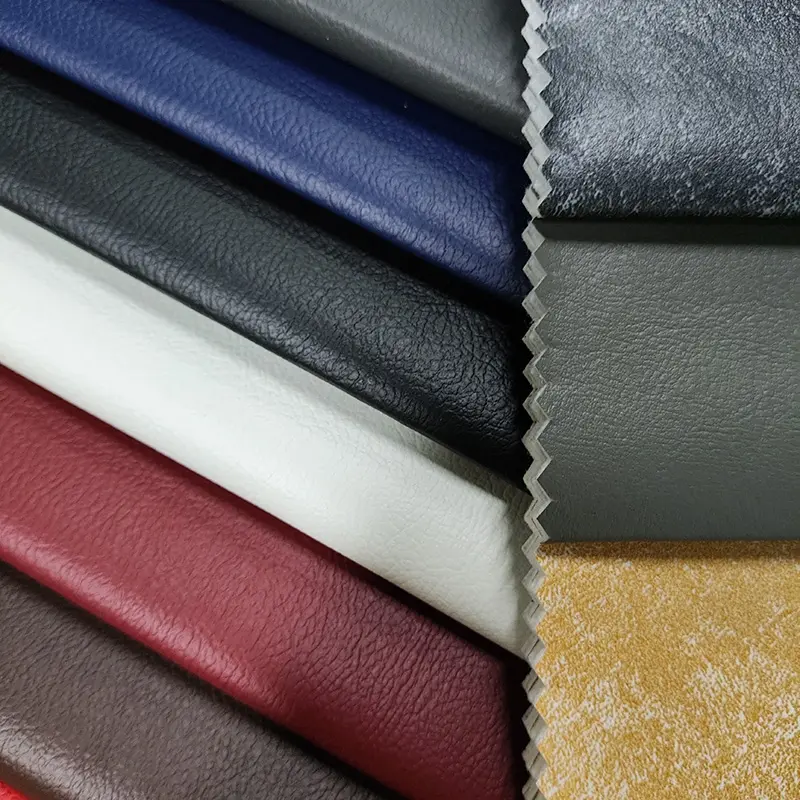
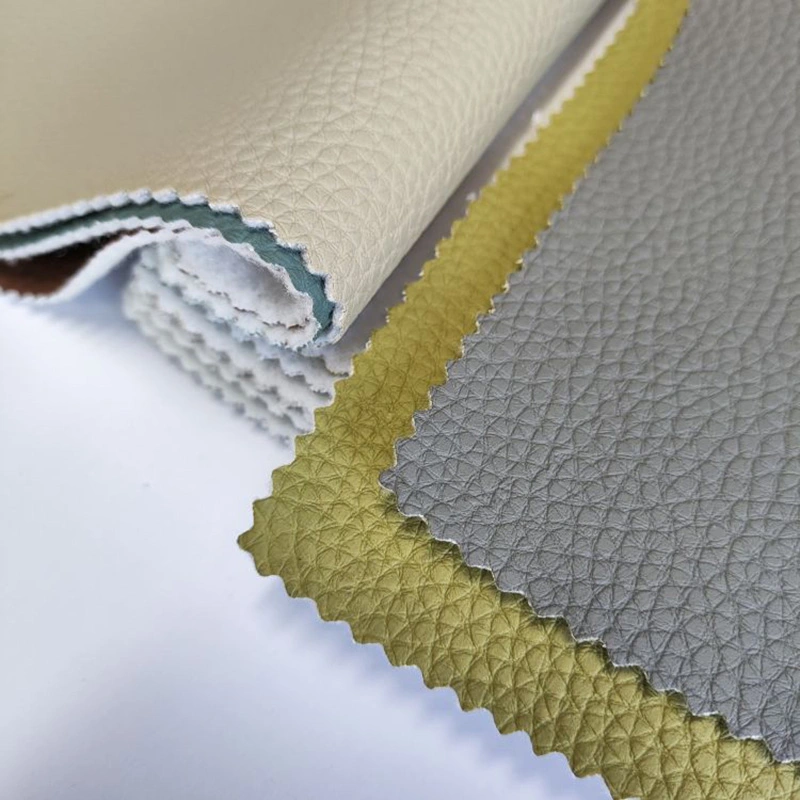
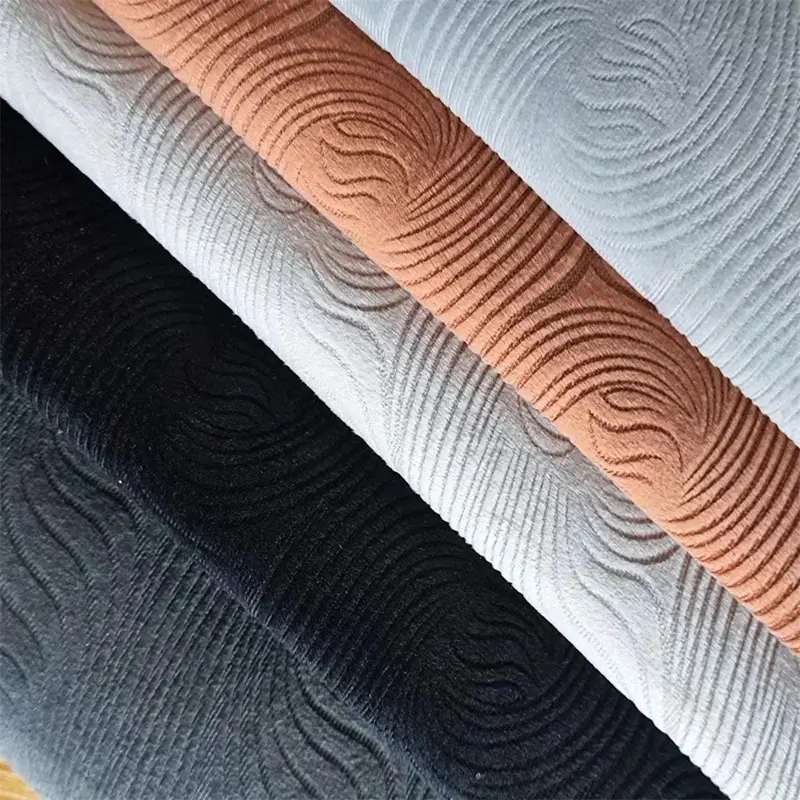
Burnout Car Fabric is an automotive interior textile designed to deliver a distinctive, dimensional look—often a “3D” pattern effect with a mix of raised and recessed areas. The “burnout” concept refers to a process where selected fibers are removed (or “devoré”-style etched) to create contrast in texture and depth. In car interiors, that contrast isn’t only decorative; it can also influence how the surface feels against skin, how it handles cabin heat, and how premium the cabin appears under different lighting.
Why does this matter to buyers? Because upholstery complaints usually come down to a short list of frustrations: seats feel hot and sticky, fabrics look worn too fast, patterns don’t match across lots, or the “nice-looking sample” behaves totally differently once it’s laminated, stitched, and installed. A well-specified Burnout Car Fabric can reduce those issues—if you choose the right construction and verify performance early.
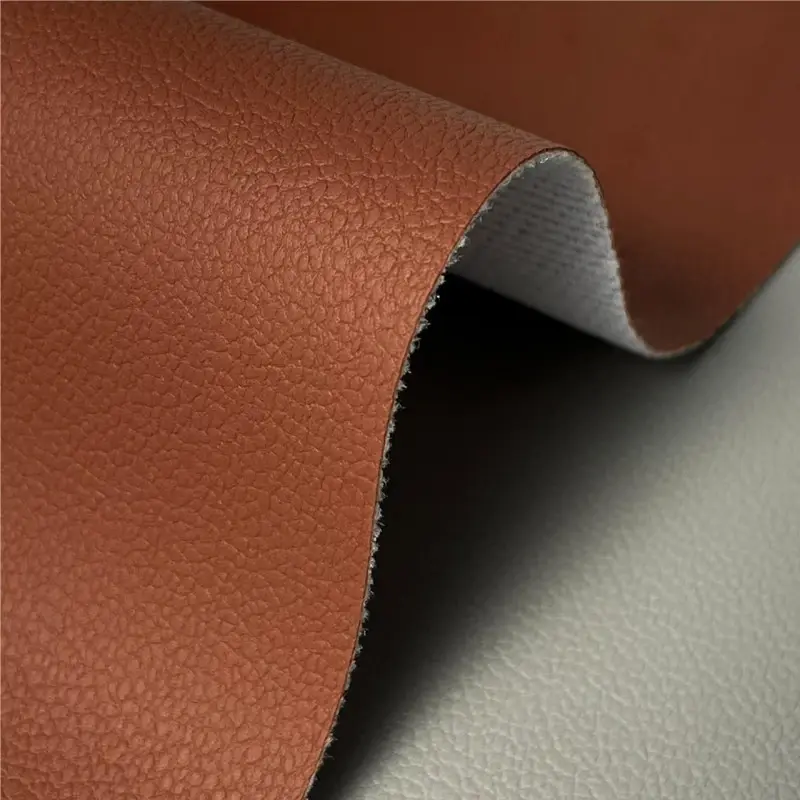
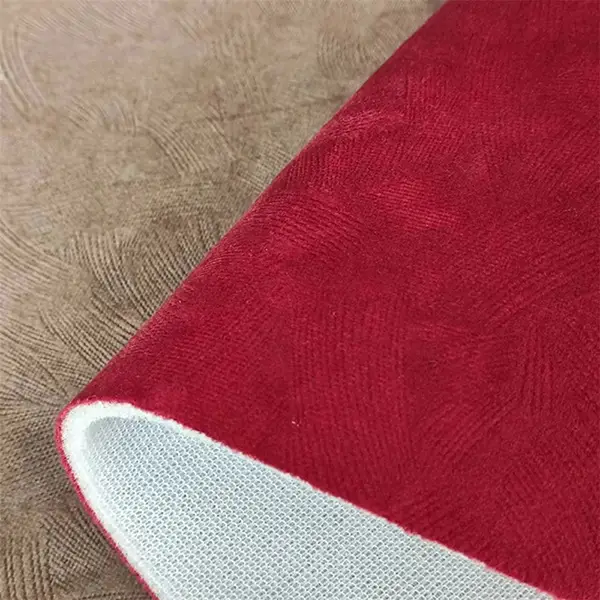
In automotive interiors, buyers usually care about three things: the surface feel, the visual texture, and the behavior after lamination and stitching. Many Burnout Car Fabric options are built with a multi-layer approach to balance those needs.
Common construction elements you may encounter:
The “smooth yet plush” feel many buyers want comes from combining a comfortable face texture with controlled thickness and elasticity. If the burnout effect removes too much fiber without reinforcement, the fabric can become overly delicate—so balancing pattern depth with strength is essential.
If you only evaluate a sample by appearance, you’ll pay for it later. Use this checklist to keep decisions grounded in performance and production reality.
Quick comparison table (use it to clarify what you’re buying):
| Decision Factor | Burnout Car Fabric | Plain Woven Upholstery | Suede/Microfiber Style | PU/PVC Synthetic Leather |
|---|---|---|---|---|
| Visual depth / premium look | High (3D pattern effect) | Low to medium | Medium to high | High (uniform sheen) |
| Touch comfort | Soft, textured; can feel plush | Depends on weave; often firm | Soft, velvety | Smoother; can feel sticky in heat |
| Breathability potential | Medium to high (construction-dependent) | Medium | Medium | Low |
| Customization flexibility | High (pattern, scale, contrast) | Medium (color/weave) | Medium | Medium (grain/emboss options) |
| Risk areas to manage | Pattern strength balance, consistency across lots | May look plain, limited “wow” factor | Marking, stain visibility | Heat feel, cracking over time (depends on grade) |
Two buyers can both say “we want Burnout Car Fabric,” and still end up with totally different materials. These spec choices drive comfort, appearance, and pricing:
If you’re sourcing for OEM or large-scale interiors, lock these variables into a clear spec sheet and keep a “golden sample” to reduce drift across future production lots.
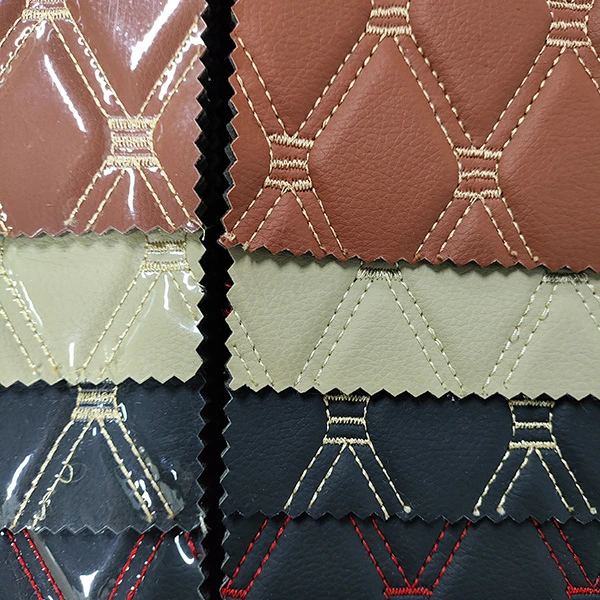
Burnout Car Fabric is frequently used where people touch, see, and evaluate comfort quickly. Good placement choices increase perceived value without overexposing the fabric to harsh wear.
Pro tip: If you’re worried about long-term wear, use burnout fabric strategically as an insert/feature material, and pair it with a tougher surrounding material in the highest-abrasion areas.
The fastest way to waste time is to approve a pretty swatch without defining what “success” means in production. Here’s a buyer-friendly process that avoids the usual traps.
Step-by-step sourcing flow:
For buyers who want customization with a stable supply chain, working with an experienced supplier matters. Ningbo Most-Textile Trading Co., Ltd. provides customizable automotive interior materials—including Burnout Car Fabric options designed for modern interior aesthetics—so you can align pattern, color, thickness, and feel to your project needs while keeping production parameters clear.
Even the best upholstery gets blamed if users don’t know how to clean it. If your project involves consumer-facing documentation, include simple care guidance like this:
Q1: Is Burnout Car Fabric only for luxury vehicles?
A: Not at all. It’s often used to create a premium look in mid-range interiors too—especially on inserts and trim areas where visual impact matters most.
Q2: Does burnout patterning make the fabric weaker?
A: It can if the design removes too much fiber without proper construction choices. The right backing, layering, and balanced pattern depth help maintain strength.
Q3: Can I customize the pattern with my own design?
A: Many suppliers support customization by motif, repeat size, and visual contrast. For best results, provide a clear pattern file and confirm repeat accuracy with pre-production samples.
Q4: Will it feel hot like synthetic leather?
A: Typically it can feel more comfortable than many synthetic leather surfaces, especially when the construction supports airflow and the touch is textile-based rather than film-based.
Q5: What should I test first if I’m on a tight schedule?
A: Prioritize abrasion behavior, seam performance, and colorfastness (rubbing + light). If it’s a composite build, add a basic delamination check under heat/humidity.
Q6: Where does Burnout Car Fabric perform best inside the cabin?
A: Seat inserts, backrests, headrests, and door trim inserts are common “high impact, manageable wear” placements.
Q7: How do I reduce risk when ordering in bulk?
A: Lock a detailed spec sheet, approve a production sample, and require consistent lot tracking and color control. A small pilot run before full rollout is often worth it.
Burnout Car Fabric isn’t just a visual upgrade—it’s a material choice that can improve perceived comfort, add dimensional design, and support a more modern cabin experience when specified correctly. The key is to treat it like an engineered component: define where it will be used, choose the right construction and backing, verify performance with practical trials, and set clear acceptance standards before bulk production.
If you’re sourcing custom Burnout Car Fabric for seats, door panels, headrests, or accent inserts, Ningbo Most-Textile Trading Co., Ltd. can support pattern, color, thickness, and construction customization to match your project goals. Ready to narrow down the right option for your application? Contact us to request samples and a tailored specification recommendation.