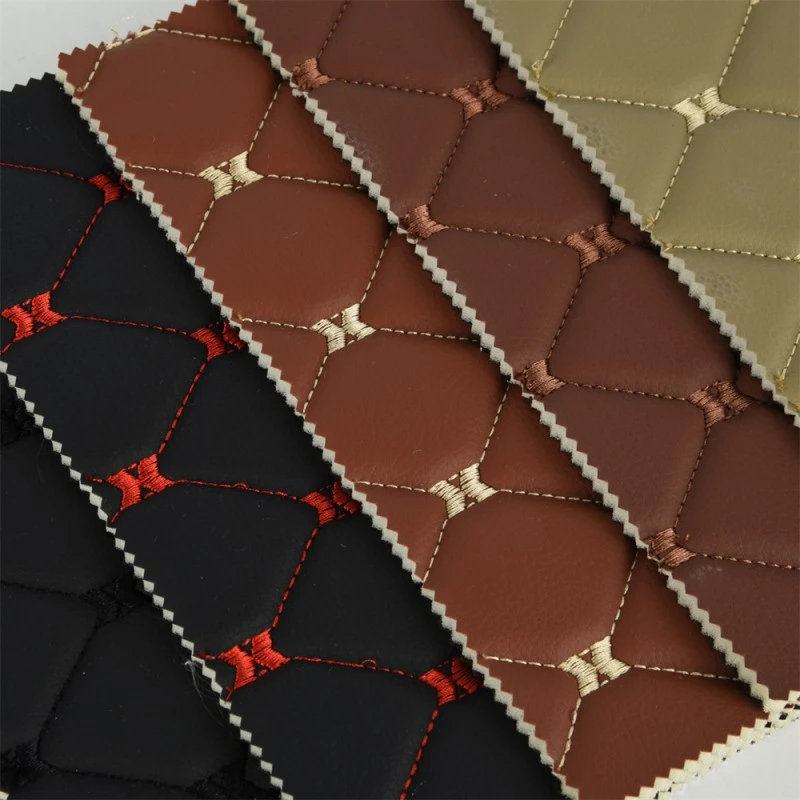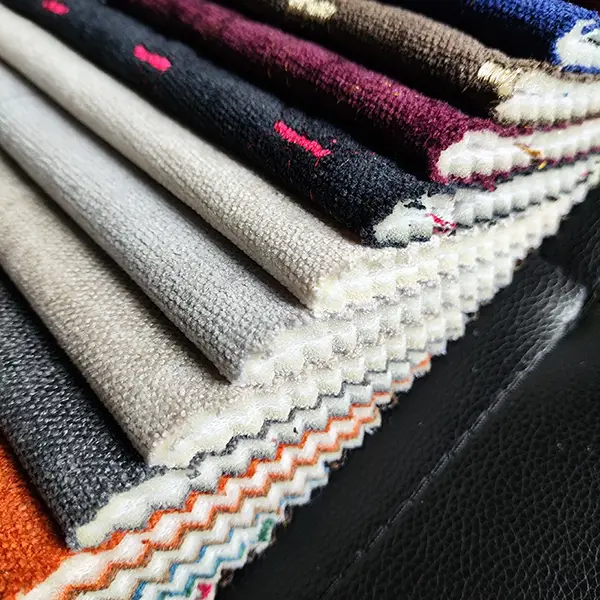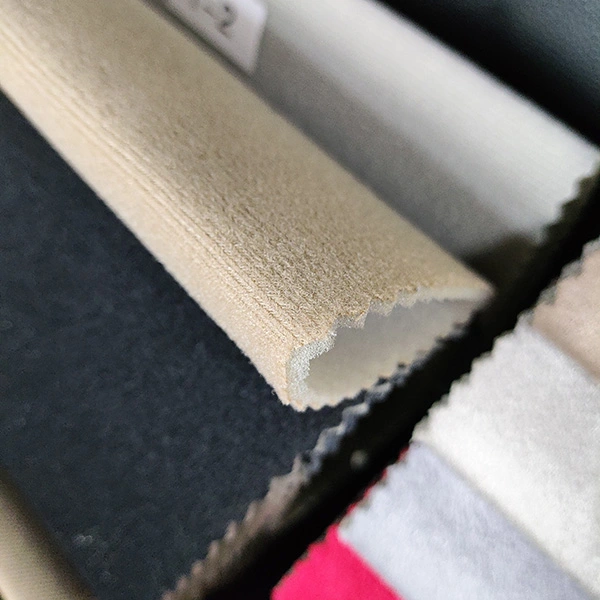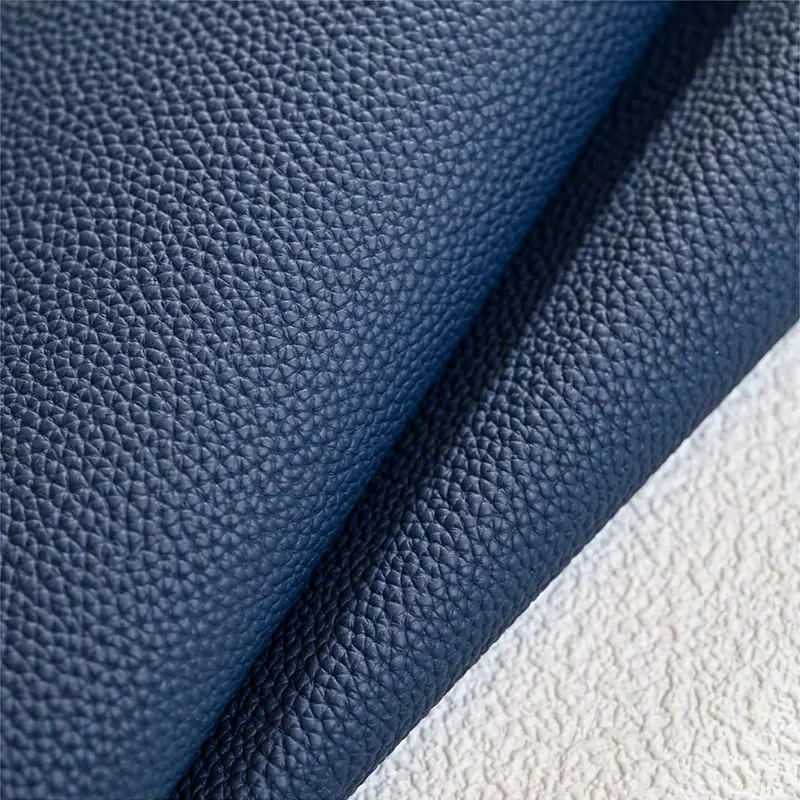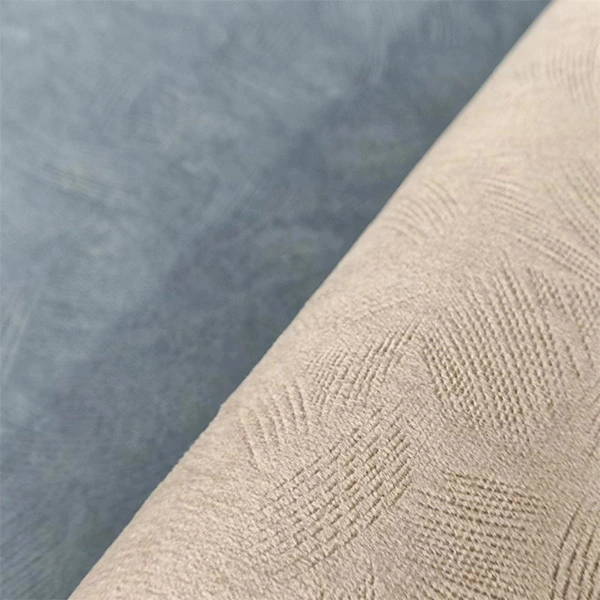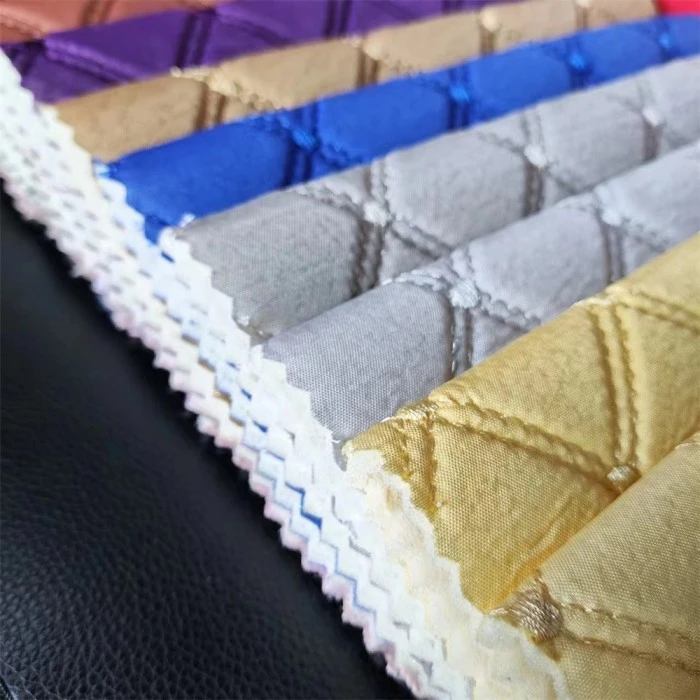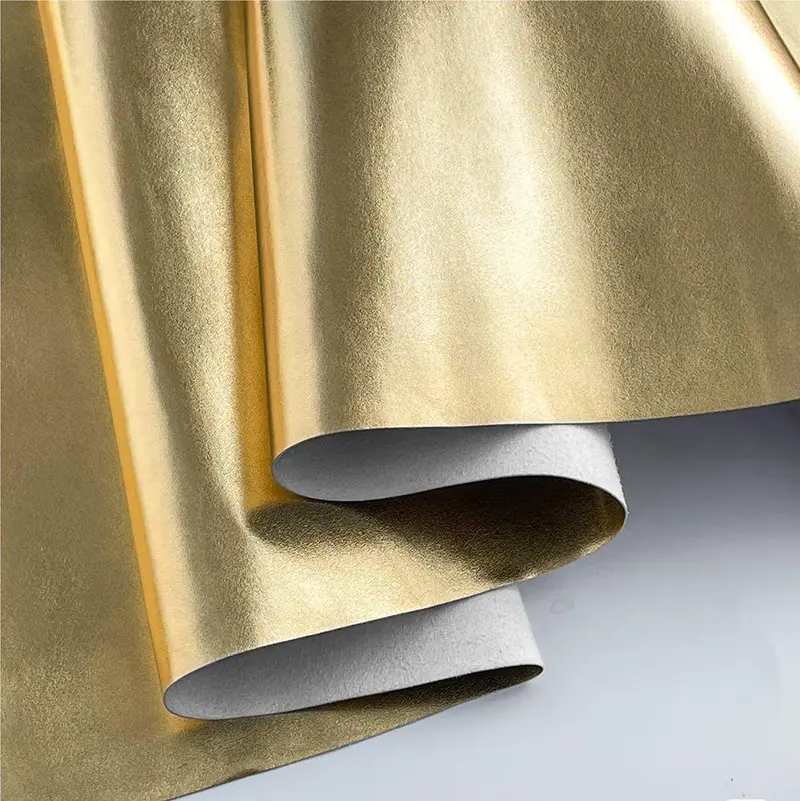
Abstract: Bus interiors take a daily beating—constant passenger turnover, friction, spills, UV exposure, and strict safety requirements. This guide breaks down what Printing Bus Fabric really needs to deliver in the real world: long wear life, easier cleaning, stable colors, safer materials, and consistent print quality across batches. You’ll also get a practical buying checklist, a comparison table of common constructions, and a step-by-step workflow to reduce risk from sampling to mass production. Along the way, we’ll show where a supplier like Ningbo Most-Textile Trading Co., Ltd. fits into a safer procurement process—without turning your next upholstery project into a guessing game.
Table of Contents
Let’s be honest: no one buys bus upholstery because it’s “fun.” It’s a risk-control decision. When Printing Bus Fabric is specified poorly, the consequences show up fast—ugly wear lines, stained seats that won’t come clean, faded patterns, and complaints that make a vehicle feel older than it is.
Typical problems buyers are trying to solve:
The goal is not simply “a nice pattern.” The goal is a fabric system that stays presentable, safer, and easier to maintain for as long as possible—without blowing up your timeline or budget.
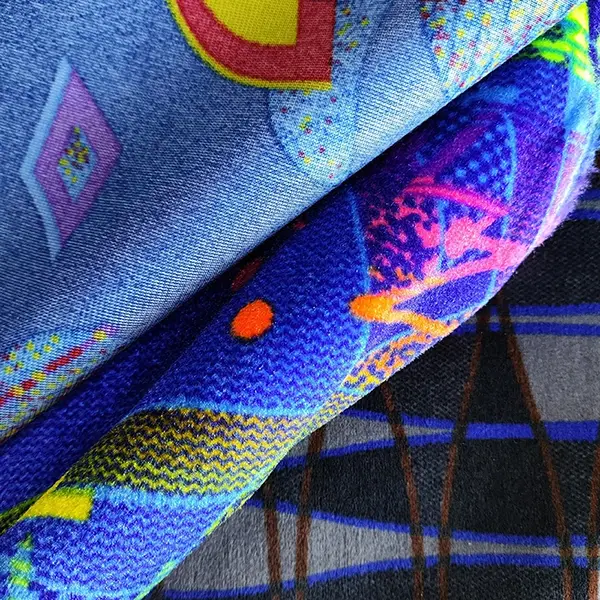
Printing Bus Fabric is not one single material—it’s a combination of decisions:
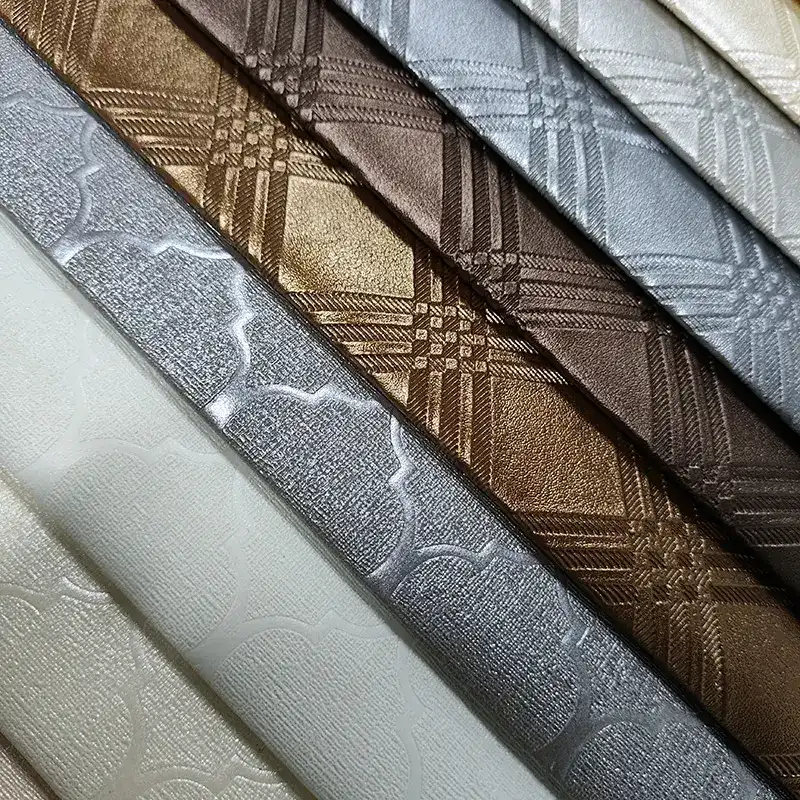
Why printing is popular in transit: It allows stronger visual identity and faster refresh cycles. Instead of being locked into a narrow set of woven patterns, operators can choose geometric motifs, gradients, city branding elements, or custom artwork—then scale that look across vehicles.
But here’s the catch: printing expands design freedom while increasing the need for process control. If your approval workflow is sloppy, you can end up with “almost the same” colors across different batches—and “almost the same” is exactly what passengers notice.
There’s no universal best option. The right Printing Bus Fabric depends on route conditions (crowding, climate, vandalism risk), cleaning practices, and passenger profile.
| Construction | Feel & Look | Strengths | Tradeoffs | Best For |
|---|---|---|---|---|
| Printed woven polyester | Textile hand-feel, crisp pattern | Good abrasion performance, stable shape, strong print clarity | Needs a smart finish package for stain control | City buses, coaches, multi-year fleet programs |
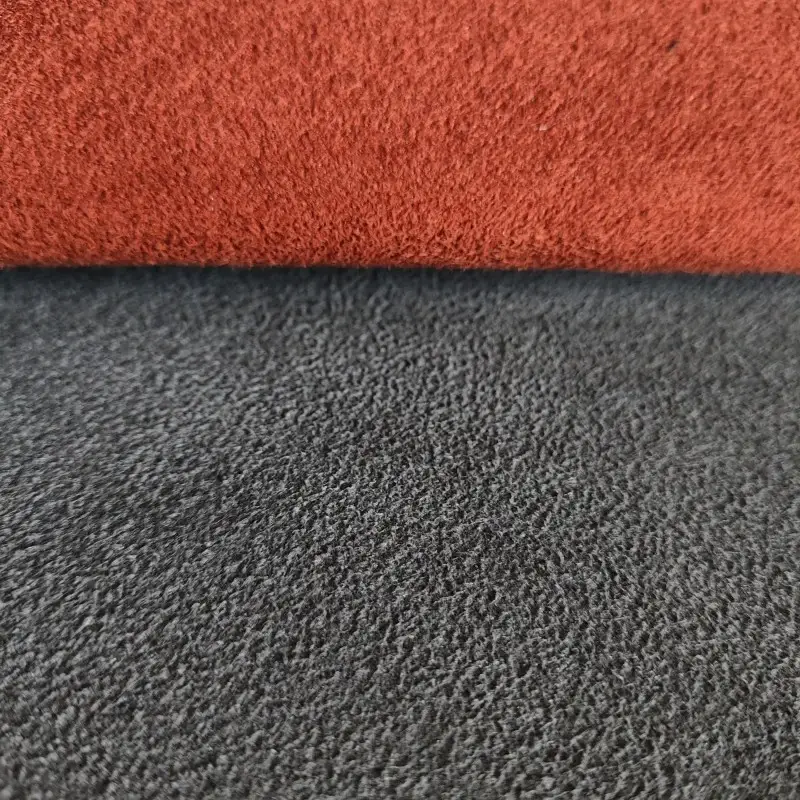
| Suede-like microfiber (printed) | Soft touch, premium appearance | Comfort-forward, visually rich surfaces | Can show marks if not finished correctly; cleaning spec matters | Coaches, higher-end routes, charter interiors |
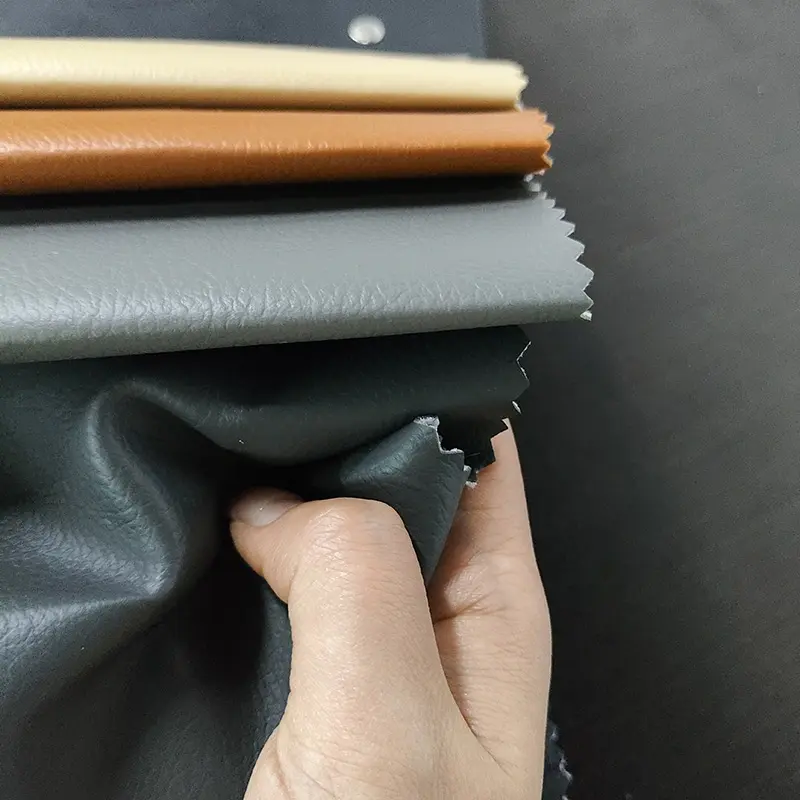
| Printed coated fabric (vinyl-style surface) | Smoother surface, wipe-friendly | Easier daily wipe-down, strong stain resistance | Hand-feel differs from textiles; breathability may be lower | High-turnover routes, wet climates, heavy cleaning cycles |
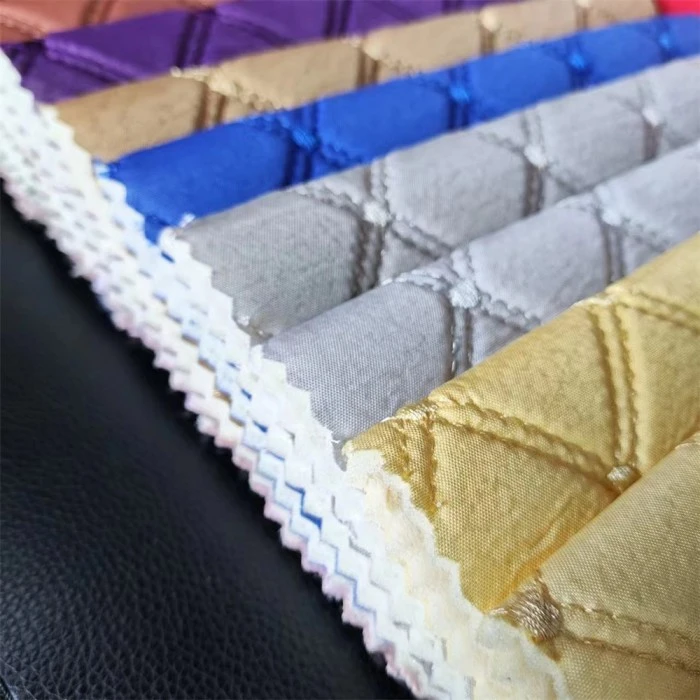
| Laminated or backed constructions | Varies based on face fabric | Improved dimensional stability and seam performance | Must confirm compatibility with foam/adhesives | Seats with complex shapes, high-stress upholstery zones |
Practical tip: Don’t pick a construction from a photo. Ask for a real sample, rub it, test-clean it, and compare it under daylight and bus interior lighting. Upholstery lives in harsh reality, not in showroom lighting.
If you want fewer surprises, specify performance like an operator, not like a designer. A serious Printing Bus Fabric spec typically includes wear performance, color stability, and safety documentation—plus a cleaning method that aligns with your depot routine.
Key items to include in your request for quotation:
| Requirement | Why It Matters | How to Specify It |
|---|---|---|
| Abrasion resistance | Prevents early bald spots and pattern wear-through | Ask which abrasion test is used in your market and what target level you require |
| Colorfastness to light (UV) | Stops prints from fading on window-side seats | Request lightfastness expectations and recommended placement (window vs aisle) |
| Colorfastness to rubbing | Reduces dye transfer onto clothing and cleaning cloths | Confirm dry and wet rub performance targets |
| Stain resistance and cleanability | Controls maintenance cost and seat appearance | Define cleaning agents used (mild detergent, alcohol wipes, disinfectants) and test on sample |
| Flame-retardant compliance | Often required for public transport interiors | Ask if the fabric can be supplied to meet standards used in your region (examples include FMVSS 302 or ECE R118) |
| Dimensional stability and seam behavior | Prevents sagging, wrinkles, seam splits | Confirm backing/lamination options and upholstery recommendations |
Quick reality check: If a supplier can’t explain how their performance claims are validated, treat that as a risk signal. At minimum, you want clear specs, sample testing, and a repeatable process—not vague promises.
Print quality is where good projects become great—or become expensive. For Printing Bus Fabric, the core issue is consistency: the same pattern must look the same across shipments, months, and sometimes years.
What to control in your approval process:
Finishes that protect the look: Many operators choose finish packages to improve surface resistance (scratches, scuffs) and reduce fading or staining. These finishes can be the difference between “still looks new” and “looks tired” within one season.
Design note: If your route has heavy crowding, very light backgrounds can show grime faster. A smart pattern uses mid-tones, texture, and visual noise to disguise unavoidable wear—without looking messy.
The best Printing Bus Fabric is the one your maintenance team can actually keep presentable. That means you should match fabric choice to cleaning reality, not to ideal cleaning theory.
Ask your depot a blunt question: “What do we really clean seats with?” Common answers include mild detergents, alcohol wipes, general-purpose disinfectants, or steam in certain cases. If your fabric finish can’t tolerate your real cleaning method, the print may dull or the surface may get sticky over time.
Operational tactics that reduce total cost:
When you test samples, don’t only do a “gentle wipe.” Simulate reality: rub, wipe, repeat—then check whether the surface gloss changes or the print loses sharpness.
Buying Printing Bus Fabric isn’t just choosing a pattern. It’s managing risk across design, production, logistics, and compliance. Here are common pitfalls that create delays or costly rework:
A simple fix: Write your procurement request like a checklist. Pattern + base + finish + tests + cleaning method + delivery schedule. The more structured your request, the fewer “assumptions” end up in production.
If you want speed without chaos, follow a tight workflow. This reduces rework and makes supplier communication cleaner.
This process feels “extra” until you compare it to the cost of replacing upholstery early. Then it feels like basic common sense.
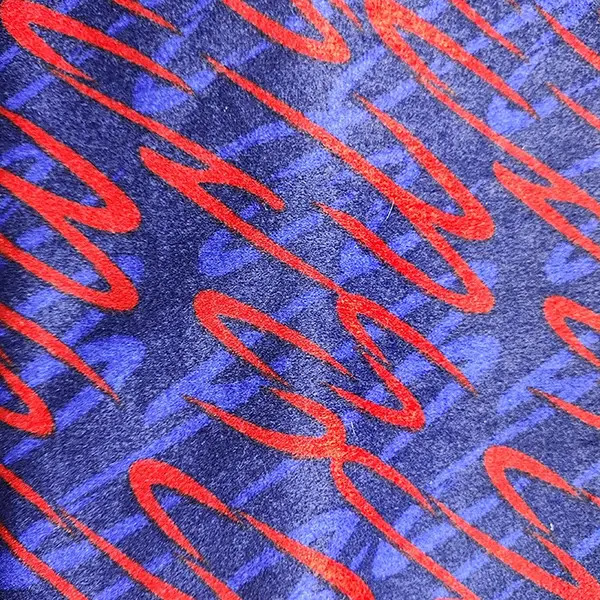
A good supplier doesn’t just sell fabric—they help you avoid the hidden failures. In the context of Printing Bus Fabric, that means process clarity, sample discipline, and finish options that match real-life service conditions.
Ningbo Most-Textile Trading Co., Ltd. positions its Printing Bus Fabric offerings around digitally printed patterns on polyester-based fabrics, with optional performance-oriented processing aimed at wear resistance, scratch/scuff resistance, UV stability, and easier cleaning. The company also describes compliance-focused options such as flame-retardant performance for public transportation interiors.
What you should expect from any serious supplier (and insist on):
In short: choose a partner who can explain the “why” behind performance, not just the “what” of design.
Q1: Is Printing Bus Fabric only about aesthetics?
A: No. The pattern matters, but operational performance matters more: abrasion, cleanability, UV stability, and safety documentation can determine whether the interior stays acceptable for years or degrades quickly.
Q2: What base materials are most common for Printing Bus Fabric?
A: Polyester-based constructions are common because they balance durability, print clarity, and practical cost. Depending on the route, some operators choose coated or laminated options for easier wipe-down cleaning.
Q3: How do I avoid color differences between production batches?
A: Approve a physical strike-off, define color tolerances, and require the supplier to follow a documented batch-control process. Keep an approved master swatch for future reorders.
Q4: Can Printing Bus Fabric be made easier to clean?
A: Yes—finish packages can improve stain release and daily wipe-down performance. The key is matching the finish to the cleaning agents your maintenance team uses.
Q5: Do I always need flame-retardant performance?
A: Many regions require it for public transport interiors, but requirements vary by market and vehicle type. Confirm your local standard early and request compliance-ready options from your supplier.
Q6: What’s the best way to test a sample quickly?
A: Do a “mini abuse test”: rub with a dry cloth, rub with a damp cloth, wipe with your typical cleaner, let dry, then check for gloss change, print blur, or dye transfer.
Q7: How should I choose a pattern for heavy-use routes?
A: Patterns with mid-tones and texture tend to hide inevitable grime better than flat light colors. A smart design can extend the “looks clean” window between deep cleans.
Q8: What should I ask a supplier before placing a bulk order?
A: Ask for the full spec (base + finish), sample approval steps, batch consistency approach, lead time clarity, and any compliance documentation relevant to your market.
Conclusion: The right Printing Bus Fabric makes a fleet feel cleaner, safer, and more “new” for longer—while lowering maintenance headaches and replacement frequency. If you’re planning an upholstery refresh or launching a branded interior program, build your decision around performance + process, not just visuals.
Ready to move from ideas to real samples? Tell us your route conditions, cleaning routine, and desired look, and we’ll help you narrow down a safer, more durable specification. For options and sampling support from Ningbo Most-Textile Trading Co., Ltd., contact us to discuss your project and request tailored samples.