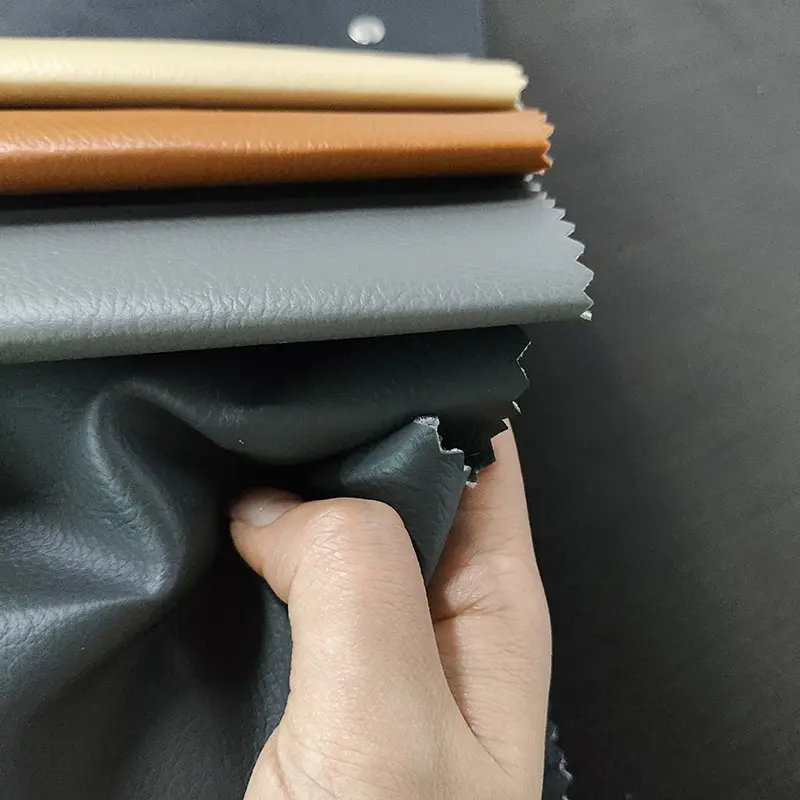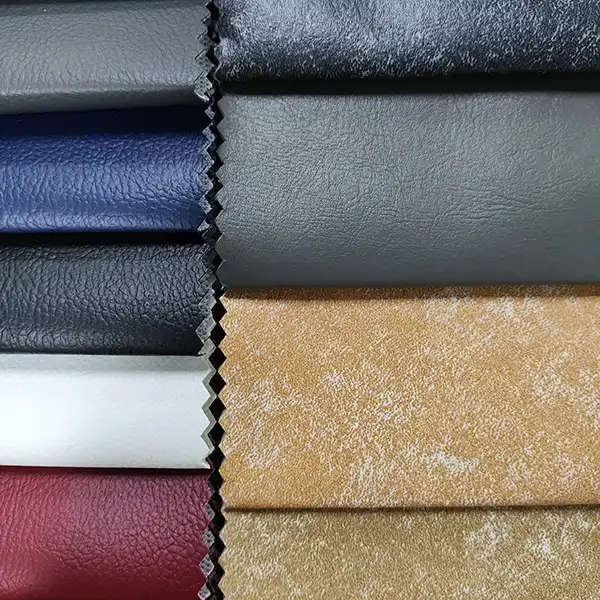
Ningbo Most-Textile Trading Co., Ltd.
News

How Can Car Seat Fabric Deliver Long-Lasting Comfort Without Costly Complaints?

2026-02-06 0 Leave me a message

Abstract

Choosing the right Car Seat Fabric is not a “style-only” decision—it’s a quality, comfort, and risk-management decision that affects warranty claims, cabin perception, cleaning costs, and even long-term resale value. This guide breaks down what buyers and product teams actually need to control: abrasion and pilling, breathability and heat build-up, stain resistance, color stability under UV, odor/VOC concerns, and build details like backing, lamination, seam behavior, and airbag compatibility. You’ll also find a practical comparison table, a spec checklist you can reuse, and sourcing questions that reveal whether a supplier can consistently deliver the same look and feel from sample to mass production.


Table of Contents


Outline

  • Pinpoint the most expensive complaints linked to Car Seat Fabric.
  • Translate “nice feel” into measurable performance targets.
  • Compare common fabric constructions and surface finishes.
  • Use a decision table to match fabric types to use cases.
  • Apply a reusable spec checklist to reduce sampling loops.
  • Validate with a testing plan that reflects real cabin conditions.
  • Avoid hidden problems caused by backing, lamination, and seams.
  • Source with confidence using the right technical questions.

What Pain Points Does Car Seat Fabric Usually Create

Most fabric issues are not “mystery defects.” They’re predictable outcomes of missing requirements, wrong construction for the use case, or uncontrolled variation between colorways and lots. If you want fewer disputes and faster approvals, start by mapping the common pain points below to your product goals.

  • Early wear that looks worse than it is: Pilling, fuzzing, snagging, and abrasion marks often appear before true structural failure. Customers judge visually first.
  • Fading and shade mismatch: UV exposure, heat, and cleaning chemicals can shift color. Even when lab results “pass,” a visible mismatch between seat panels becomes a complaint magnet.
  • Stains that don’t fully lift: Coffee, sunscreen, denim transfer, and oily cosmetics can permanently alter light colors unless stain resistance is designed into the surface.
  • Heat build-up and discomfort: If fabric traps heat and moisture, customers describe it as “sticky,” “sweaty,” or “cheap,” especially in warm climates.
  • Odor and cabin perception: New-car smell is not always a selling point. Strong chemical odor can trigger rejection in fleet or family vehicles.
  • Squeak and rub noise: Certain finishes and laminations create friction noise, especially when paired with foam/backing and plastic trim.
  • Cleaning cost and downtime: Public transport, ride-share, and fleet buyers care about how quickly the interior can be cleaned and returned to service.
  • Inconsistent “hand feel” across batches: Changes in yarn, dyeing, finishing, or backing supplier can subtly shift touch and appearance—enough to fail a buyer’s master sample match.

The key insight: a great-looking swatch doesn’t guarantee a great in-vehicle result. Car Seat Fabric must survive friction, heat, UV, body oils, cleaning cycles, and real-world user behavior.
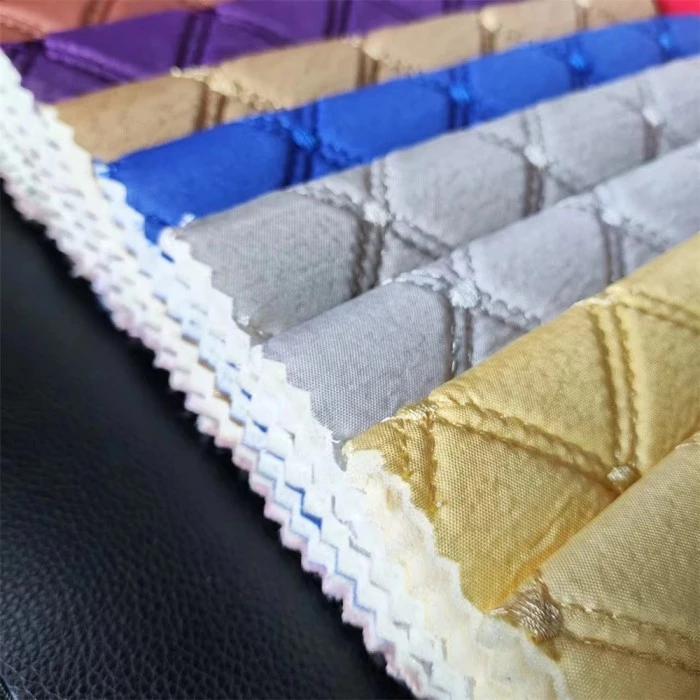

Which Performance Areas Matter Most in Real Vehicles

Car Seat Fabric

To make smart trade-offs, separate “customer perception” from “engineering risk.” Both matter, and both can be managed with the right targets.

  • Durability: Abrasion resistance, seam slippage resistance, tear strength, and pilling behavior determine how long seats look new.
  • Comfort: Breathability, moisture handling, thermal feel (cool vs. warm touch), and surface softness shape daily satisfaction.
  • Cleanability: Stain release, soil resistance, and colorfastness to rubbing/cleaning are essential for light colors and high-traffic vehicles.
  • Appearance retention: Color stability under UV/heat and resistance to gloss change, crushing, and flattening keep the interior premium over time.
  • Safety and compliance: Many programs require interior materials to meet flammability and fogging/odor requirements, plus compatibility with seat airbag deployment designs.
  • Manufacturing stability: Consistent width, thickness, stretch, and backing adhesion reduce sewing defects and scrap during seat cover production.

If you only choose by “feel,” you risk expensive surprises. If you only choose by “numbers,” you may ship a seat that feels hot, stiff, or plasticky. The best approach is a balanced spec that reflects the actual use case.


What Materials Are Common in Car Seat Fabric

There is no single “best” Car Seat Fabric. Different constructions perform better in different environments, price tiers, and cleaning regimes. Below are common categories buyers evaluate.

  • Woven fabrics: Often chosen for premium appearance, structural stability, and crisp patterns (including jacquard). They can be engineered for durability but may feel warmer if not designed for airflow.
  • Knitted fabrics: Frequently used for stretch and comfort. Knit structures can be breathable and soft, but must be managed carefully to reduce snagging and pilling.
  • Mesh and spacer fabrics: Great for breathability and moisture control. Ideal for hot climates or sporty trims, though they may trap dirt if the surface is too open.
  • Suede-like microfiber: Delivers a premium touch and strong visual appeal. It can show crush marks and may require thoughtful stain strategy depending on the finish.
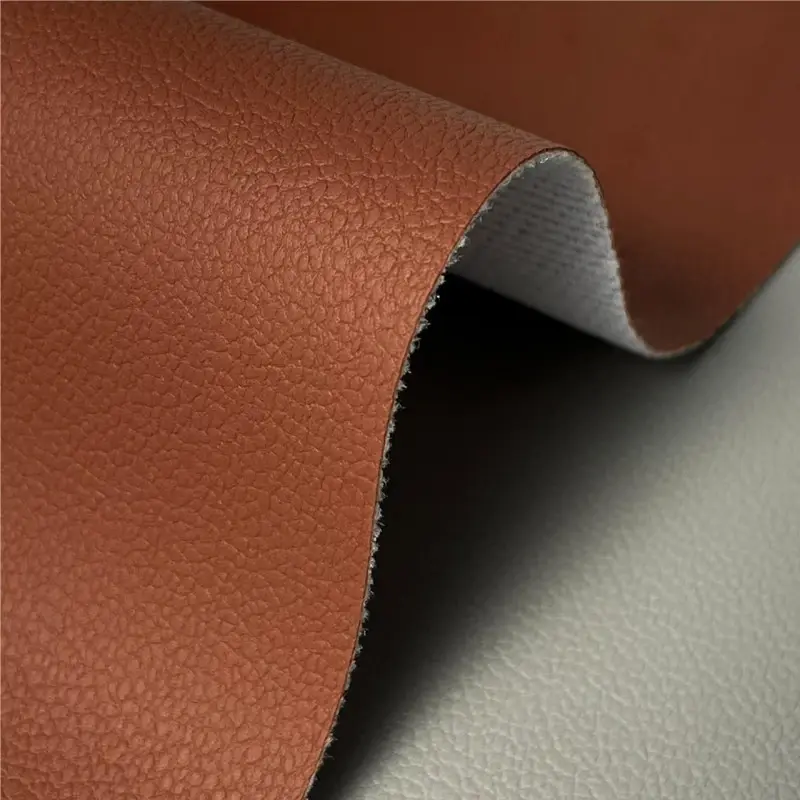
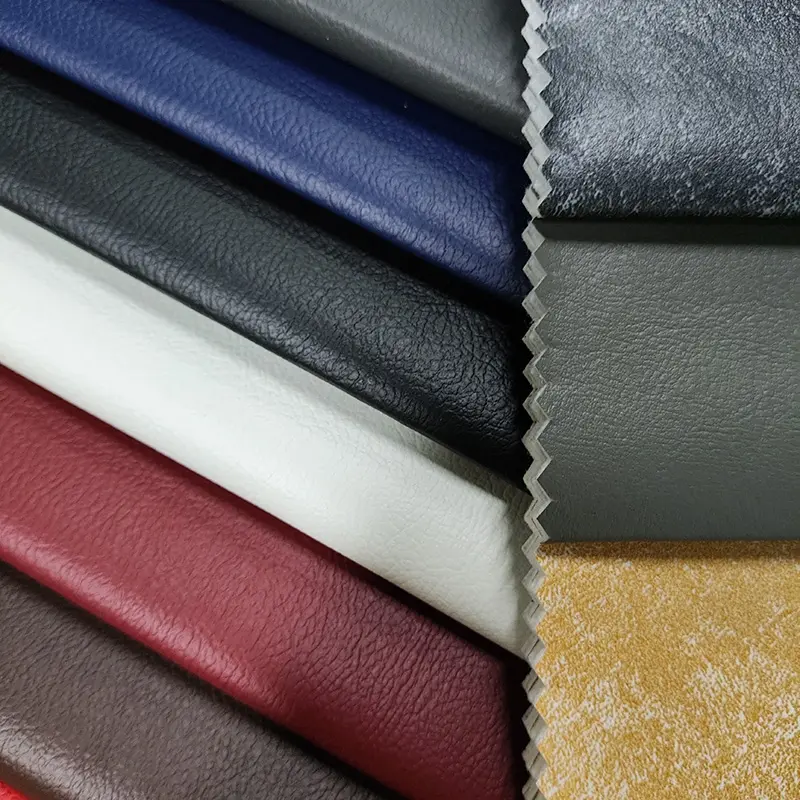
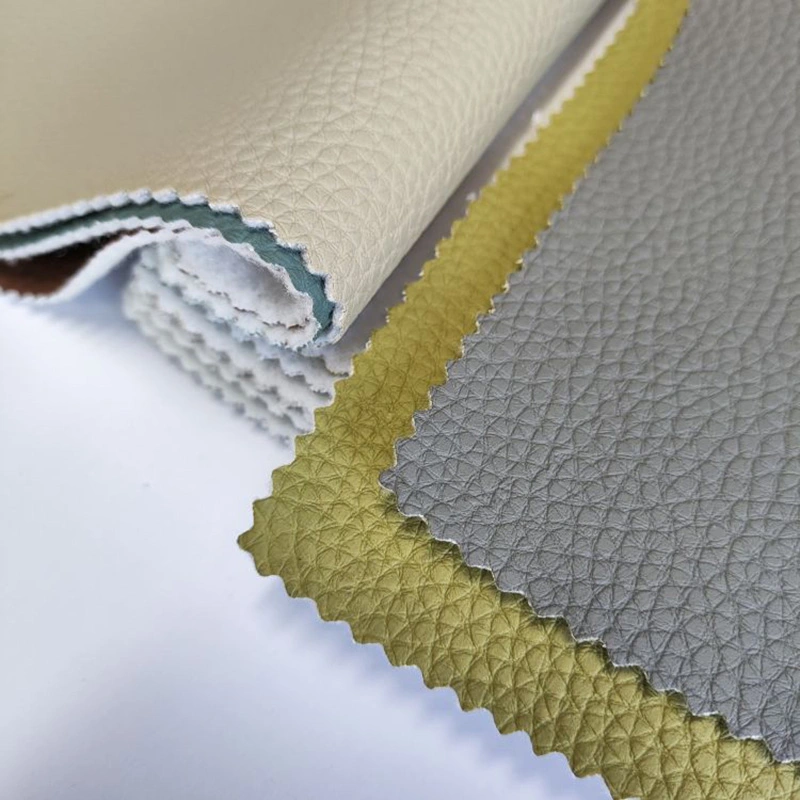
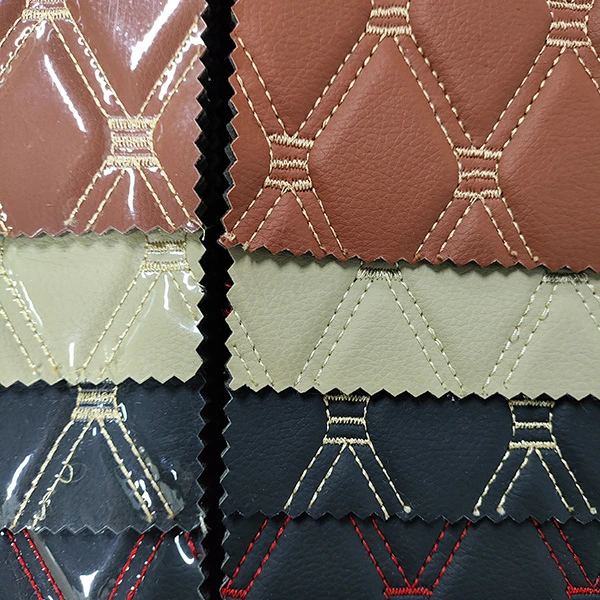
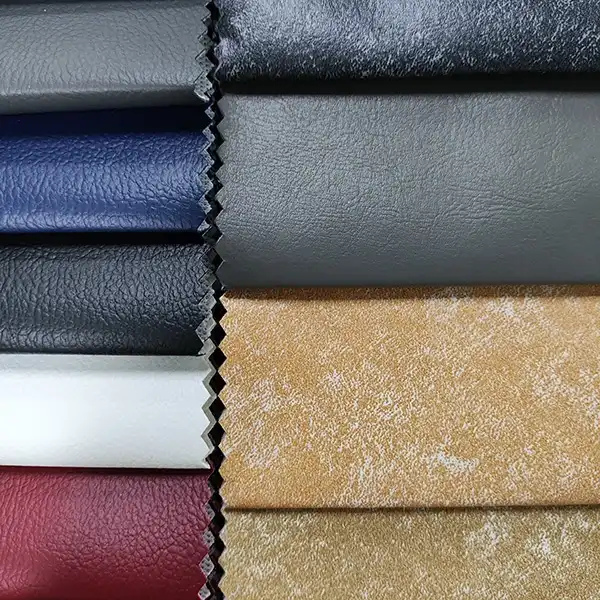
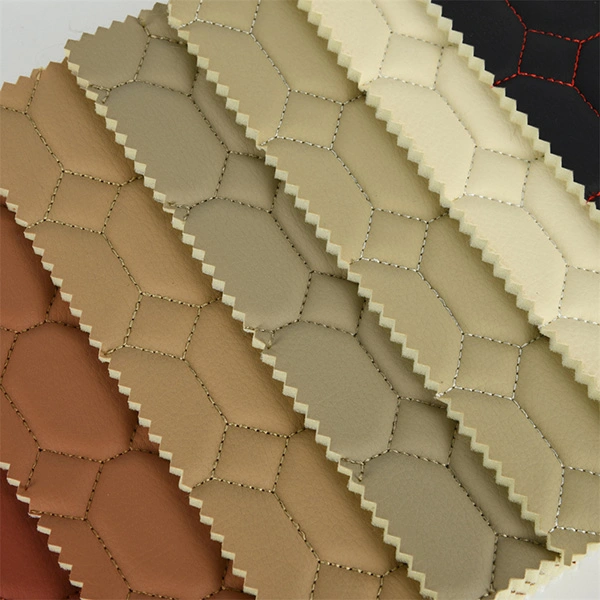
  • Coated options (PU/PVC leather-like): Easy to wipe, common for fleets, family vehicles, and areas needing fast cleaning. Comfort and heat feel depend heavily on the coating formulation and backing.
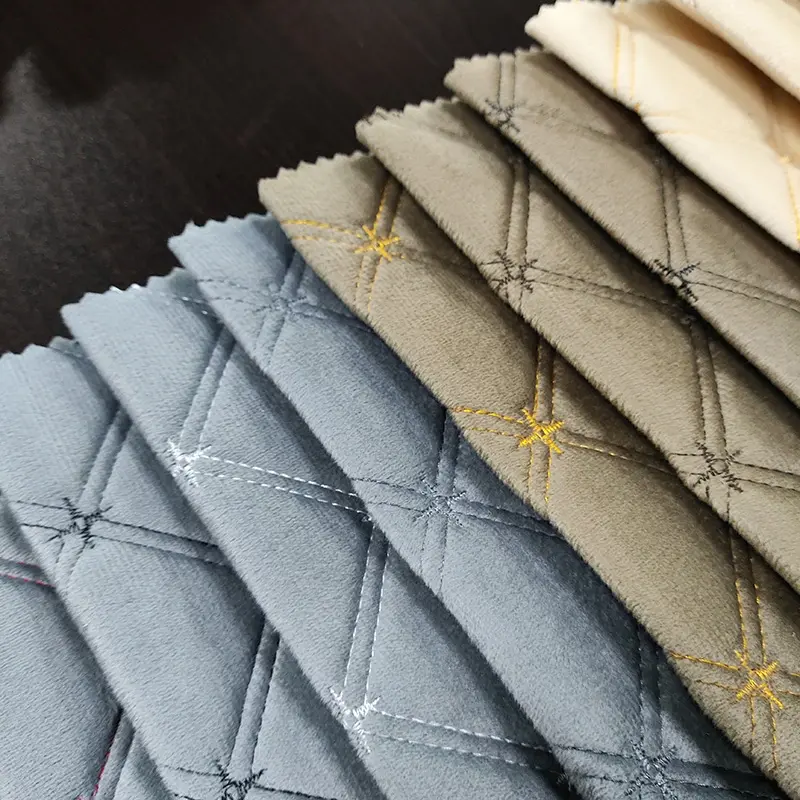
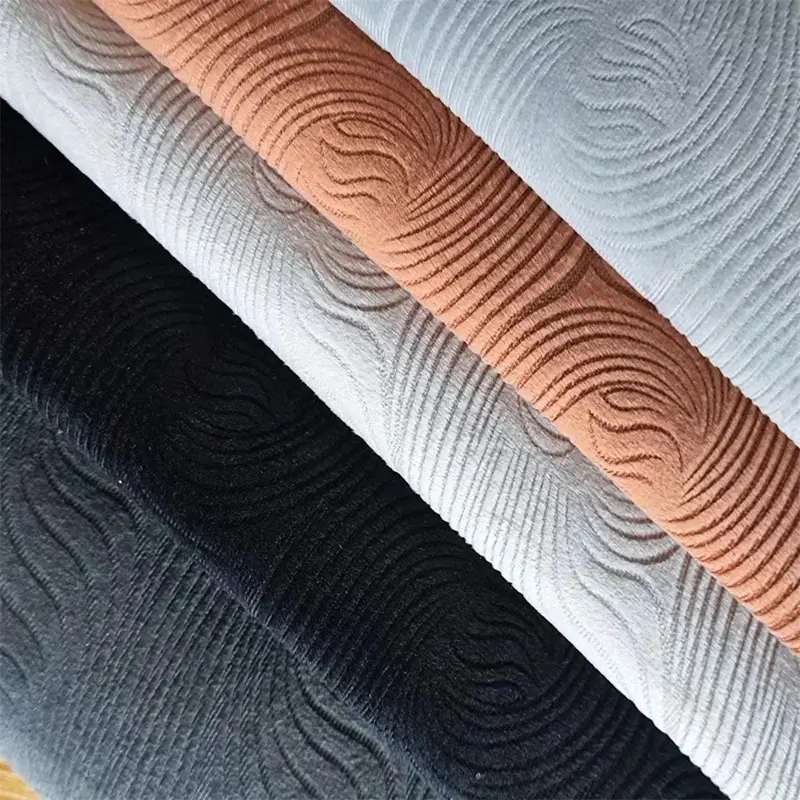
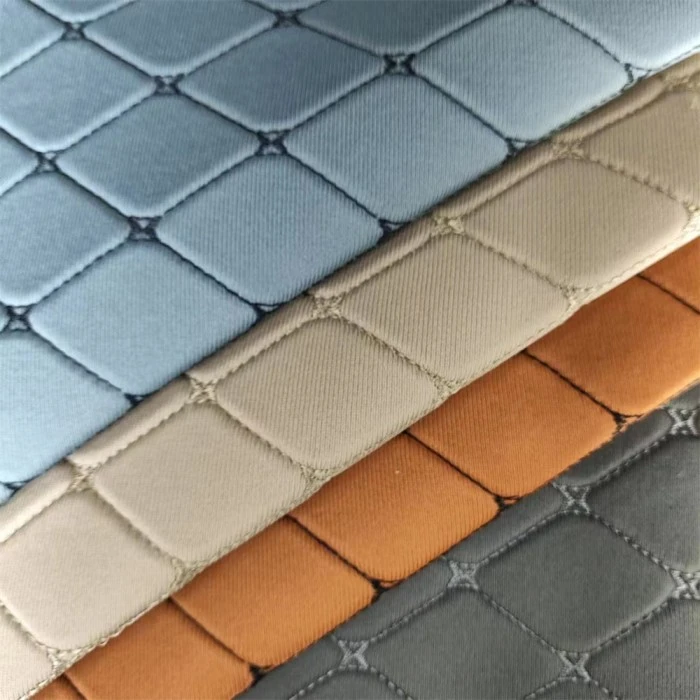
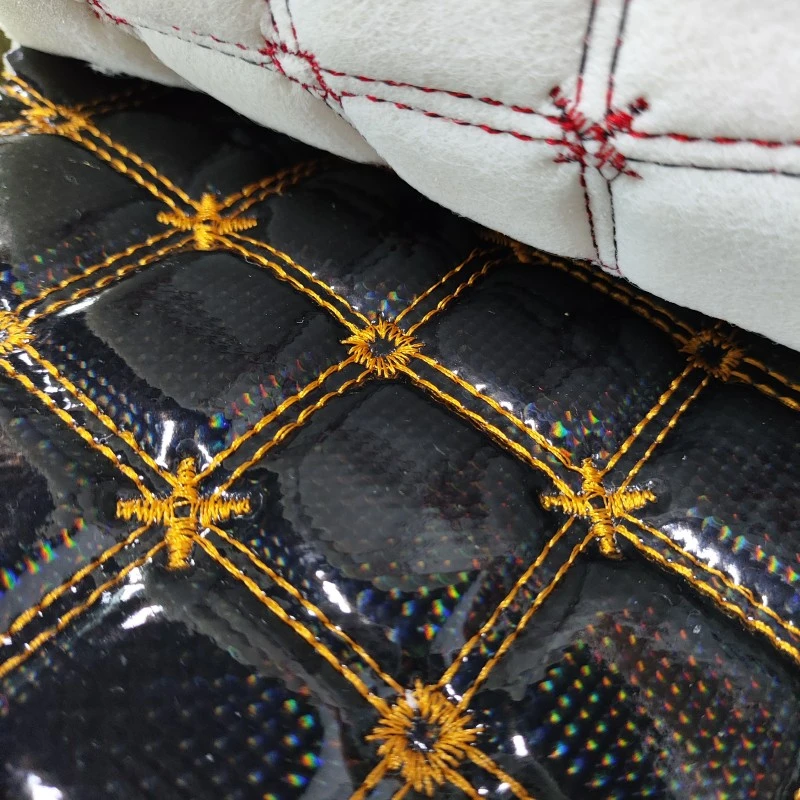
  • Special surface effects: Embossing, printing, burnout effects, or decorative embroidery can elevate styling but add production steps that must be controlled for consistency.

When you compare options, focus less on category labels and more on the exact build: yarn type, density, finish chemistry, backing/lamination, and how the fabric behaves when sewn and stretched over foam.


Car Seat Fabric Comparison Table

Fabric Type Strengths Typical Trade-Offs Best Use Cases What to Watch
Woven (plain/twill/jacquard) Premium look, stable shape, rich patterns Can feel warmer; stain strategy needed for light colors Passenger cars, premium trims, patterned interiors Pilling control, UV fade, seam slippage
Knitted upholstery Soft hand feel, good stretch, comfort-forward May snag or pill if not engineered carefully High-comfort seating, curved seat designs Snag resistance, pilling grade, dimensional stability
Mesh / spacer Excellent airflow, cooler seating, sporty feel May hold dust; open structure needs careful cleaning plan Hot climates, performance trims, seat centers Abrasion points, snagging, appearance after cleaning
Suede-like microfiber Luxury touch, strong grip, premium aesthetics Can show crush marks; stain behavior depends on finish Premium trims, accent panels, sporty interiors Color rub, oil stains, cleaning instructions
PU/PVC coated (leather-like) Fast wipe-clean, uniform look, fleet-friendly Can feel hot; long-term aging depends on chemistry Family vehicles, public transport, ride-share, fleets Hydrolysis, cold crack, odor/VOC, squeak noise

Use this table as a first pass. Final selection should be driven by your target customers, climate, cleaning practices, and manufacturing realities.


A Practical Specification Checklist You Can Copy

If approvals take too long, it usually means the spec is incomplete. Below is a checklist many teams use to make Car Seat Fabric decisions faster and reduce “back-and-forth” sampling.

  • Construction: Woven/knit/mesh; yarn composition; weight range; thickness; stretch direction and limits.
  • Surface and finish: Brushed, embossed, printed, suede-like, coated; stain resistance approach; anti-static needs.
  • Backing: No backing, scrim backing, foam lamination; target peel strength; heat aging resistance.
  • Durability targets: Abrasion method and target; pilling method and target grade; seam slippage requirement.
  • Color and visual control: Color standard method; acceptable delta range; lightfastness expectations; batch-to-batch tolerance.
  • Colorfastness to rubbing: Dry and wet rub expectations for both light and dark colors.
  • Cleanability: Test soils to include (coffee, oil, sunscreen, denim transfer); cleaning agents; number of cycles.
  • Odor/VOC goals: Target odor level and fogging approach if required for your program.
  • Safety: Flammability requirement; seat airbag seam strategy; any restricted substance requirements from your market.
  • Production details: Usable width; roll length; packaging method; labeling and traceability; defect definition and AQL approach.

Tip: don’t let a supplier “pick the test.” You should define the failure modes you want to prevent, then align test methods and acceptance levels accordingly.


How to Validate Car Seat Fabric Before Mass Production

Validation should mirror real usage. A fabric can pass one lab test yet fail in the cabin because the problem is interaction-based (fabric + foam + sewing + trim + cleaning). Build a simple, staged validation plan.

  • Stage 1: Bench screening: Test multiple candidates quickly to eliminate obvious risks (pilling, rub color transfer, abrasion, basic wash/clean response).
  • Stage 2: Construction trial: Sew real seat-cover panels using your production patterns. Check puckering, seam slippage, stretch behavior, and whether the surface shows stress whitening or gloss changes.
  • Stage 3: Cabin simulation: Heat + humidity exposure, UV exposure, and repeated rub at common contact zones (bolsters, seat center, shoulder zones).
  • Stage 4: Cleaning reality: Use the cleaning chemicals and tools your customers will actually use. Evaluate not only stain removal but also texture change and color shift.
  • Stage 5: Lot consistency: Approve a master standard, then verify repeat orders match it. Many programs fail not on the first delivery, but on the second or third.

If your goal is fewer complaints, don’t stop at “it passed.” Ask: “Will it still look and feel right after months of friction, heat, and cleaning?”
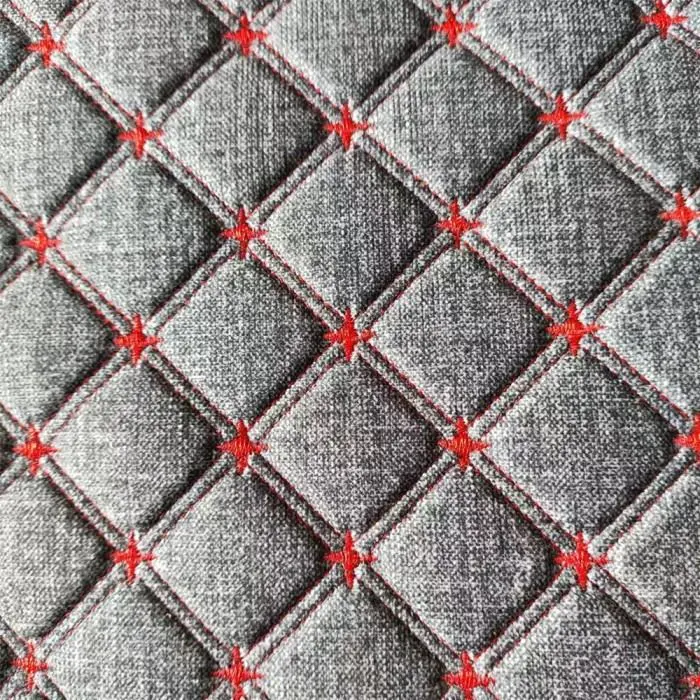

How Design and Construction Choices Change Results

Car Seat Fabric

Even the best Car Seat Fabric can disappoint if the build is wrong. These factors quietly drive real-world outcomes:

  • Foam lamination and adhesives: Great for a plush feel and shape, but the wrong adhesive can increase odor, reduce breathability, or lead to delamination after heat aging.
  • Stretch direction: If the primary stretch runs the wrong way for your seat geometry, you’ll see wrinkling, panel shift, and accelerated wear on bolsters.
  • Panel placement: Put the most breathable option in the seat center and a more abrasion-resistant option on high-friction edges.
  • Texture and friction: High-friction surfaces can reduce sliding (sporty feel) but may attract lint or show crush marks.
  • Color strategy: Very light colors need a stronger stain strategy; very dark colors need stronger rub-fastness control to prevent transfer.
  • Airbag seam considerations: If your seat design includes airbags, the cover construction and seam strategy must be compatible with deployment requirements in your market.

In other words, fabric selection is a system decision, not a swatch decision.


How to Choose a Reliable Manufacturing Partner

A supplier’s sample book can look perfect. What matters is whether they can reproduce the same performance and appearance at scale—on time, in the right packaging, with stable quality.

Use these questions to qualify a partner quickly:

  • Can you share a clear process route from yarn to finished fabric, including dyeing and finishing steps?
  • How do you control batch consistency across different colorways and repeat orders?
  • What is your plan for defect prevention (snag points, pilling risk, shade bands, coating uniformity, lamination adhesion)?
  • Can you support customization for pattern, color, finish, and backing while keeping lead times predictable?
  • How do you package and label to prevent transport damage and maintain traceability?
  • What happens when a problem is found—how do you handle corrective action and rework prevention?

If you want a partner that understands customization and practical production needs, Ningbo Most-Textile Trading Co., Ltd. works with a broad range of automotive interior materials and can support tailored Car Seat Fabric programs—from surface design to backing choices—while keeping your priorities (comfort, durability, cleanability, and visual consistency) in view.

The best supplier relationships are the ones where you share the same definition of “quality”: not just passing a test once, but staying consistent through every roll, every batch, and every repeat order.


FAQ

Q1: How do I pick Car Seat Fabric for hot climates?

Prioritize breathability and moisture handling. Mesh or engineered knits often feel cooler, and lighter colors can reduce heat perception. Also confirm the fabric won’t become rough or lose color after UV exposure and repeated cleaning.

Q2: What makes Car Seat Fabric look “cheap” after a few months?

Common causes are pilling, fuzzing, fading, and shine/gloss changes at contact zones. These can happen even when the fabric is structurally strong, so appearance retention must be treated as its own requirement.

Q3: Which Car Seat Fabric is easiest to clean for fleets or family vehicles?

Coated options (leather-like surfaces) typically wipe clean faster, but comfort and long-term aging depend on the coating chemistry and backing. If you prefer textiles, choose a fabric with a proven stain-release finish and strong rub-fastness.

Q4: Why does the same fabric feel different in production versus the sample?

Differences usually come from finishing variation, backing changes, or subtle shifts in yarn and dyeing. To prevent this, lock a master standard, define tolerances, and validate repeat-order consistency before you scale.

Q5: How many samples should I request before finalizing Car Seat Fabric?

Enough to cover your risk zones: at least two or three candidates, multiple colorways (light and dark), and the actual backing/lamination you will use in production. A single swatch rarely tells the full story.


If you’re ready to reduce complaints and speed up approvals, start with a clear spec and a sourcing partner who can translate your requirements into stable production. Tell us your target use case, climate, and styling direction, and we’ll help you match the right Car Seat Fabric build to your program—contact us to discuss samples and customization options.
Related News
Leave me a message
X
We use cookies to offer you a better browsing experience, analyze site traffic and personalize content. By using this site, you agree to our use of cookies. Privacy Policy
Reject Accept