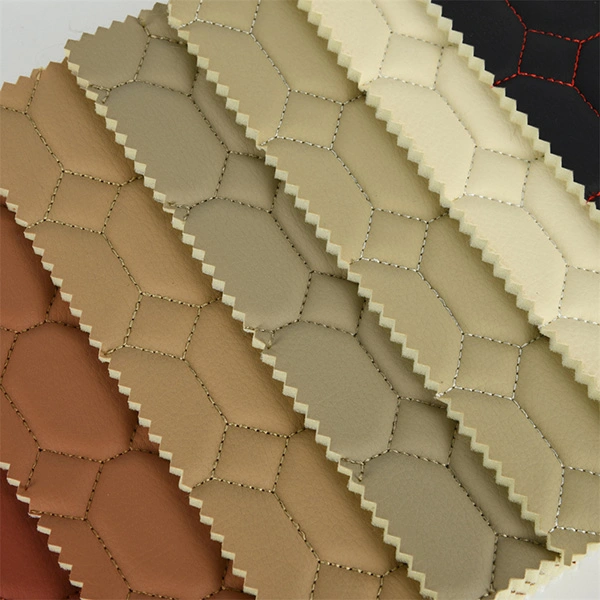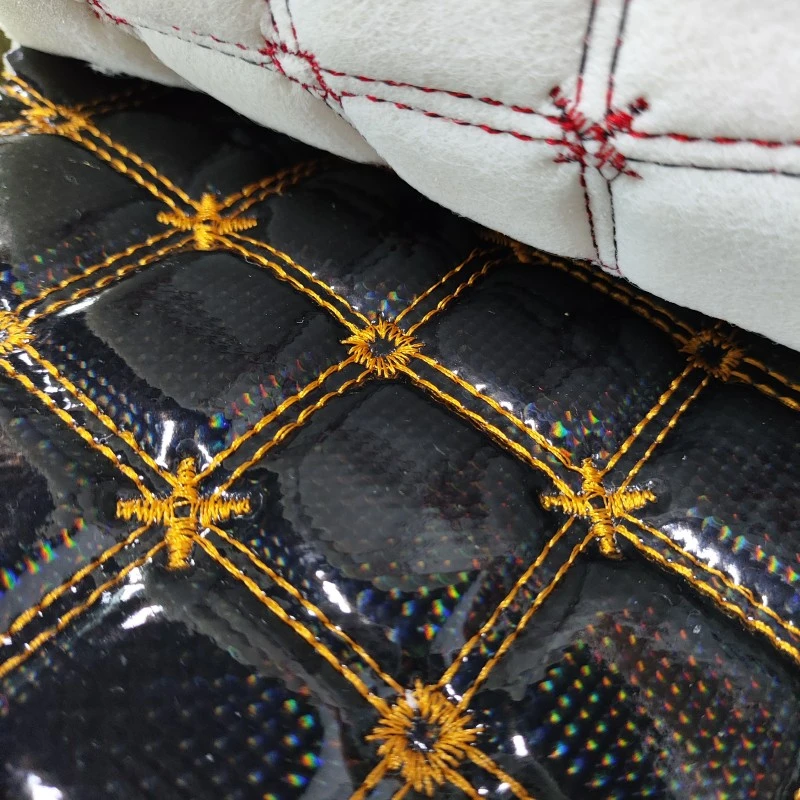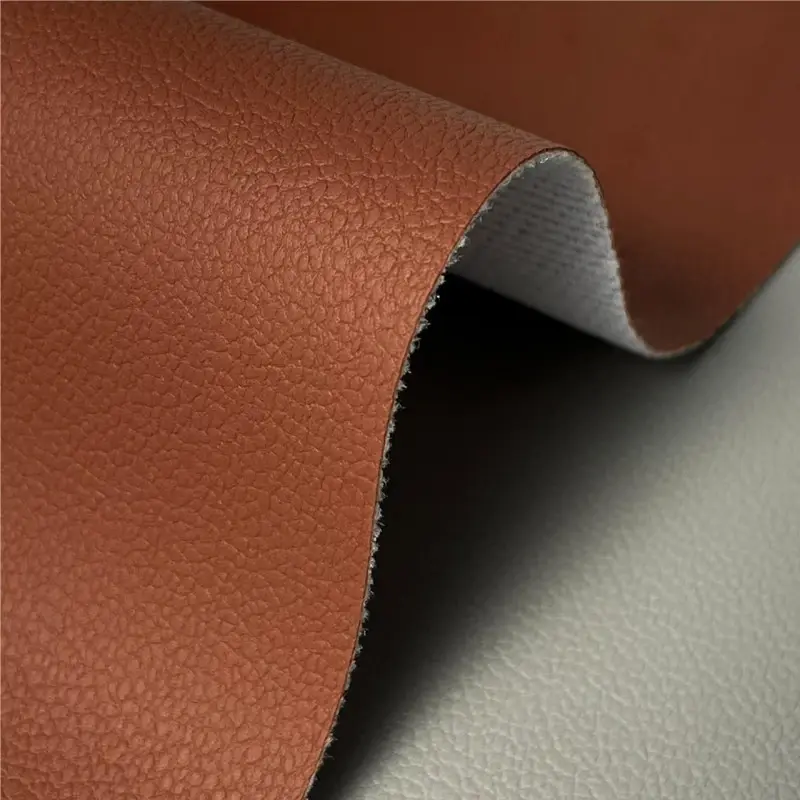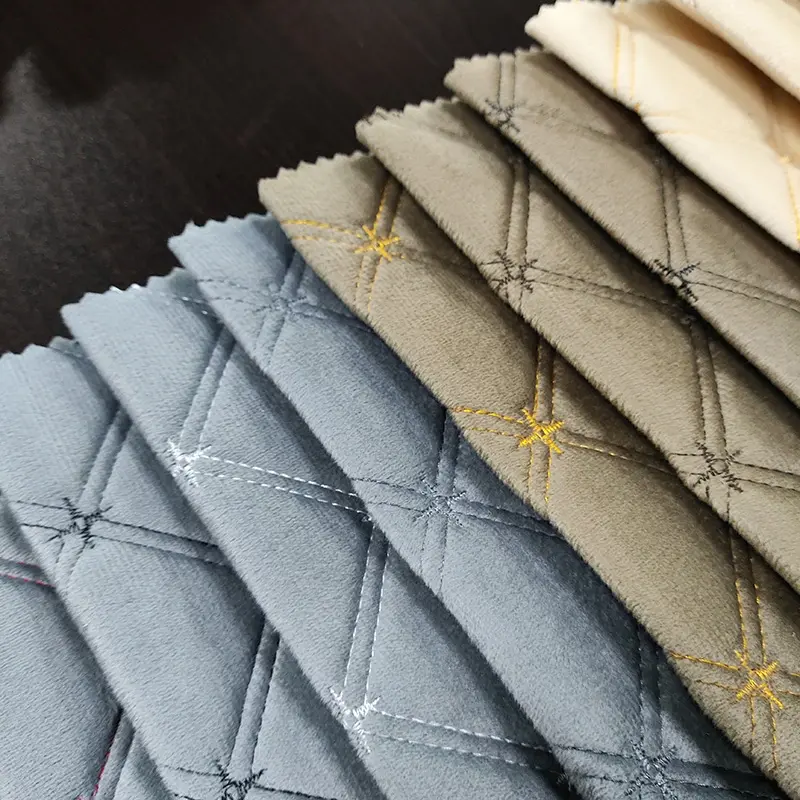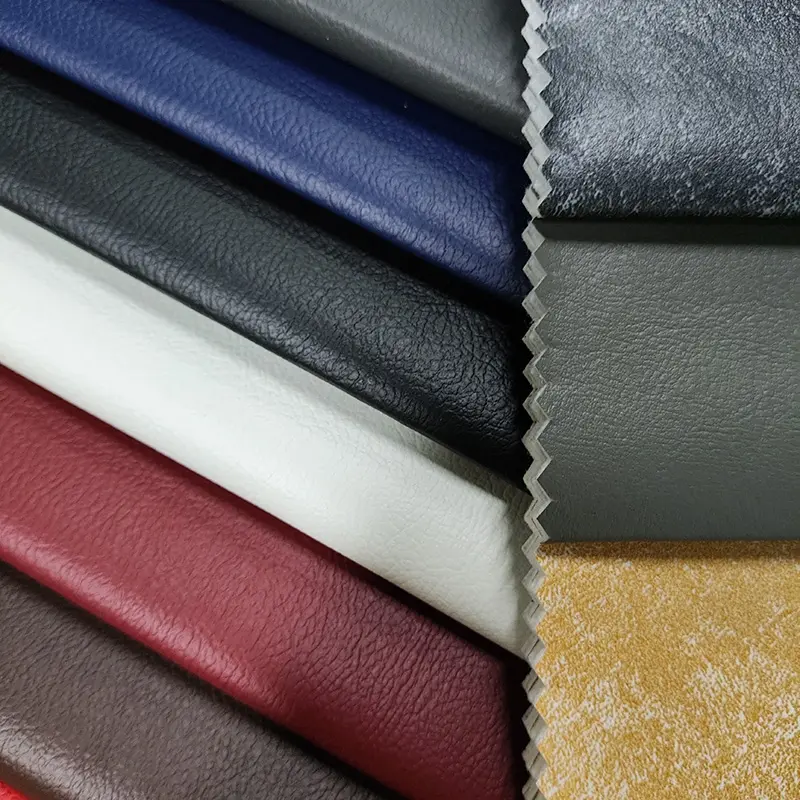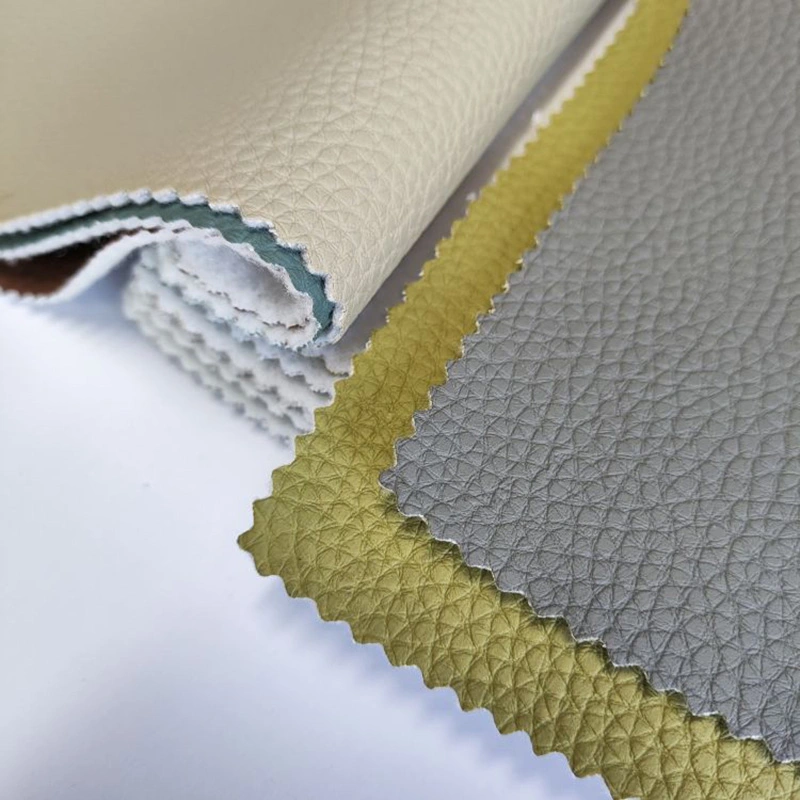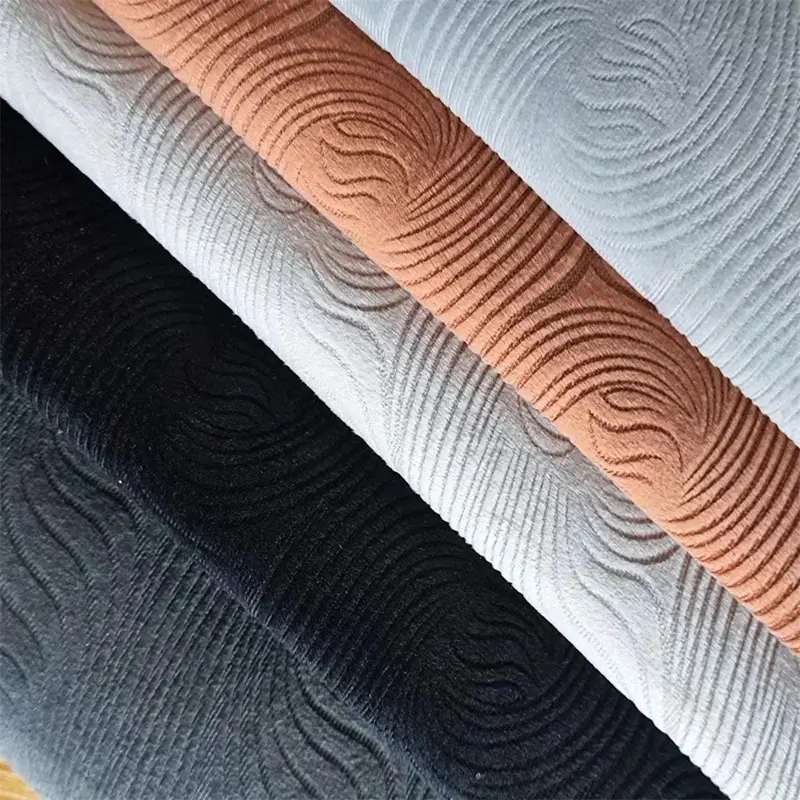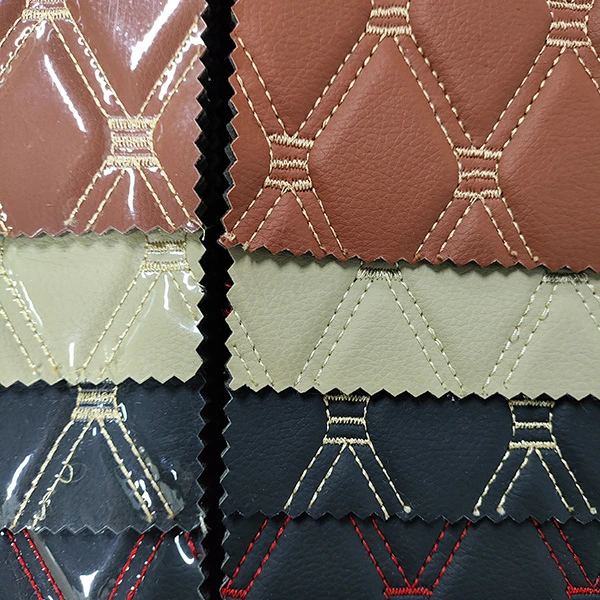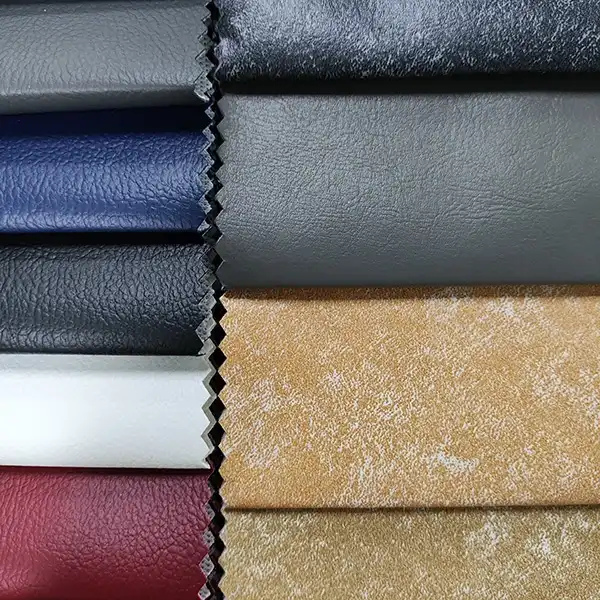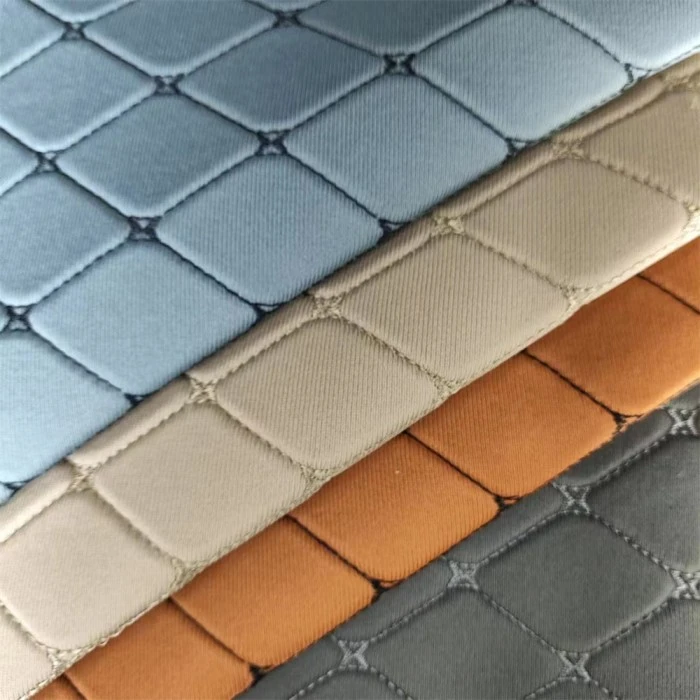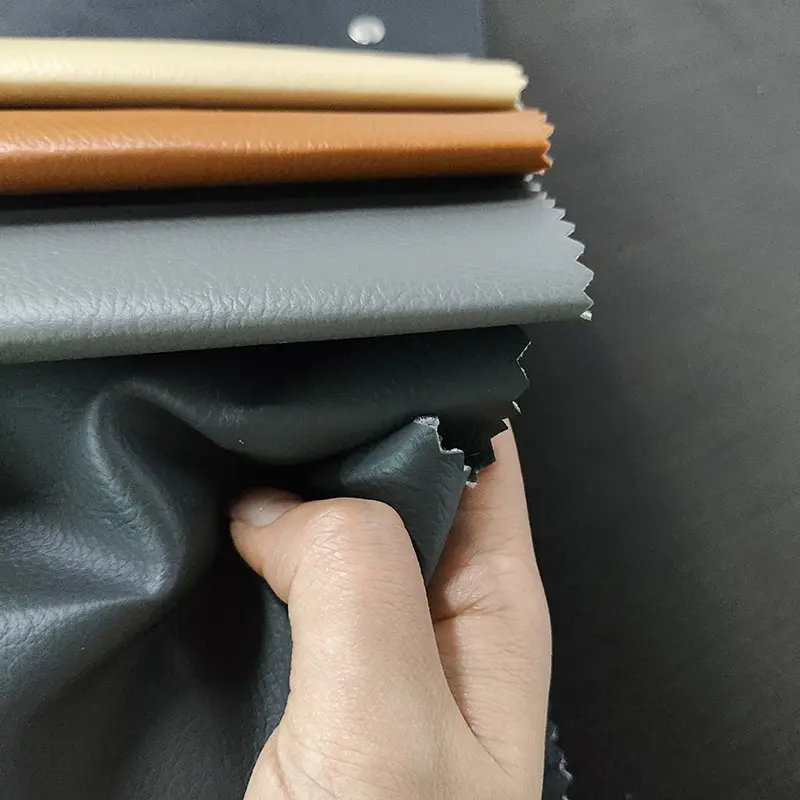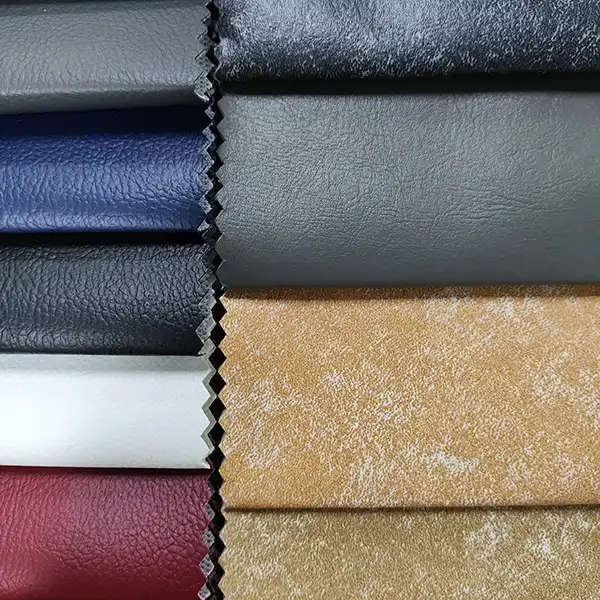
Burn Out Auto Fabric has emerged as a high-performance textile solution designed specifically for automotive interiors that require durability, aesthetic depth, and long-term functional reliability. This fabric type, engineered through a controlled chemical process that selectively removes cellulose fibers to create semi-transparent patterns, is increasingly used in vehicle seating, door panels, headliners, and decorative trim due to its balance of visual appeal and structural integrity. As manufacturers push for interior materials that combine comfort, resistance, and branding flexibility, Burn Out Auto Fabric has become a preferred option across passenger vehicles, commercial fleets, luxury models, and customized automotive design projects.
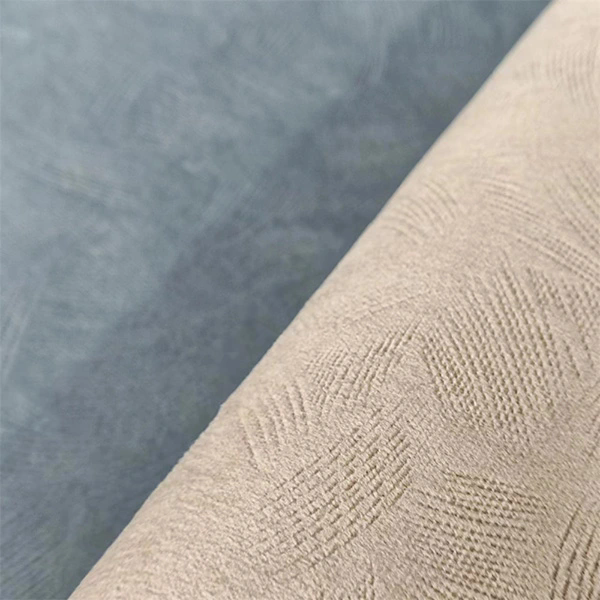
The performance of Burn Out Auto Fabric is determined by a combination of fiber composition, density, weight, abrasion resistance, color fastness, and dimensional stability. These parameters allow automotive engineers and interior designers to evaluate the suitability of the material for specific applications such as high-contact surfaces, decorative applications, or temperature-exposed areas.
| Parameter | Specification Range | Description |
|---|---|---|
| Fiber Composition | Polyester + Cellulose Blend | Provides structural strength and allows burnout pattern formation |
| Weight (GSM) | 180–350 GSM | Adjusted depending on seating, trims, or panel applications |
| Abrasion Resistance (Martindale) | 25,000–60,000 cycles | Ensures durability for high-contact automotive use |
| Tear Strength | High tensile resilience | Suitable for stress-prone zones like seat edges |
| Color Fastness to Light | Grade 4–5 | Maintains appearance under continuous sunlight exposure |
| Color Fastness to Rubbing | Grade 4 | Preserves clarity of burnout patterns during repeated use |
| Dimensional Stability | ≤ 2% shrinkage | Ensures minimal distortion during upholstery manufacturing |
| Surface Style | Transparent/opaque burnout patterns | Allows customization in branding and interior design |
| Flame Retardancy | Optional FR treatment available | Meets automotive safety standards where required |
| UV Resistance | Enhanced protection | Prevents fading or fiber degradation |
These parameters collectively define Burn Out Auto Fabric’s role as a material that bridges functional performance and design flexibility. Automotive manufacturers require textiles that not only withstand friction, UV exposure, and temperature changes but also support branding and customization, making burnout technology particularly strategic.
Burnout processing enables multilayer visual effects that cannot be achieved through standard woven or knitted fabrics. With selective fiber removal, the textile gains intricate patterns, soft transparency, and contrasting textures that enhance depth and dimension inside the vehicle cabin. These characteristics create visual movement under varying lighting conditions and add a sense of sophistication without increasing material weight.
For premium and mid-range vehicle categories, interior aesthetics directly influence consumer purchasing decisions. Automakers often seek novel surface materials that elevate the perceived quality of seating and panels. Burn Out Auto Fabric fulfills this need by offering attractive patterns that can be customized to match brand identity, regional market preferences, or thematic interior packages.
Automotive interiors face constant challenges including friction, body pressure, UV exposure, sweat, temperature shifts, and cleaning chemicals. Materials that cannot withstand these conditions lead to early wear, discoloration, or tactile degradation. Burn Out Auto Fabric, particularly polyester-cellulose composite variants, demonstrates stable mechanical performance, abrasion resistance, and dimensional retention even in long-term high-stress applications.
The material’s ability to maintain clarity of burnout patterns despite frequent use also prevents the interior from aging visually. Drivers and passengers expect vehicle interiors to remain attractive during the full service life of the car, and high-performance fabrics directly contribute to overall satisfaction ratings.
With the global automotive market shifting toward greener manufacturing practices, materials with optimized fiber blends, low-impact finishing processes, and recyclability benefits are increasingly preferred. Burn Out Auto Fabric supports sustainable goals through controlled chemical patterning, reduced dye waste, and compatibility with recycled polyester programs. Manufacturers can also integrate eco-friendly fiber blends without sacrificing performance, allowing the textile to align with environmental certification pathways.
Seating requires textiles that tolerate daily stress, repeated passenger load, and continuous friction. Burn Out Auto Fabric delivers:
High abrasion resistance for long-term durability
Breathability through patterned transparency
Visual depth that enriches seat design
Stable dimensional performance during upholstery stretching
Compatibility with foam lamination and backing options
Its hybrid surface structure makes it suitable for both decorative seat centers and reinforcement regions.
Door panels demand materials with tactile softness and aesthetic consistency. Burn Out Auto Fabric’s customizable patterns allow manufacturers to coordinate door panels with seats and dashboards. Its fade-resistant nature ensures that sun-exposed panels retain their original richness throughout the vehicle’s service life.
Pattern precision and dual-material visual effects create a high-end ambiance suitable for:
Luxury sedans
EV interiors emphasizing futuristic design
Special editions requiring exclusive textile motifs
Sports models needing stylish yet durable textures
Designers often utilize the fabric’s light-and-shadow interaction to create signature cabin atmospheres.
Automotive cabins experience extreme heat, cold, humidity, and constant UV exposure. Burn Out Auto Fabric maintains structural integrity across these conditions due to stable synthetic fiber components. Optional UV and FR treatments further extend its suitability for global markets with diverse climate challenges.
Future automotive interiors will place greater emphasis on lightweight materials that reduce vehicle weight and contribute to fuel efficiency. Burn Out Auto Fabric aligns with these priorities through adjustable GSM levels and composite structures that maintain strength without unnecessary bulk.
As personalization becomes a dominant consumer trend, automakers will increasingly integrate unique burnout patterns to differentiate models. Expect:
Brand-signature motif development
Region-specific pattern styles
Integration with color-shifting or metallic fibers
Collaboration with automotive design studios for exclusive interior lines
Future versions will likely incorporate more post-consumer recycled polyester and bio-derived cellulose, meeting global environmental standards while maintaining the functional quality demanded by automotive manufacturers.
Electric vehicle cabins emphasize quietness, softness, minimalism, and high-tech surfaces. Burn Out Auto Fabric’s tactile comfort and pattern versatility make it ideal for creating calming, elegant spaces that align with EV consumer expectations.
Q1: What makes Burn Out Auto Fabric suitable for automotive seating compared to regular woven fabrics?
A1: Burn Out Auto Fabric offers a hybrid structure combining strong polyester support with patterned cellulose removal, creating a textile that balances high abrasion resistance with visual sophistication. Its ability to withstand pressure, movement, and daily wear while maintaining dimensional stability makes it more suitable for automotive seating than standard woven fabrics lacking pattern depth or high durability ratings.
Q2: Does Burn Out Auto Fabric fade easily under continuous sunlight exposure?
A2: Automotive-grade Burn Out Auto Fabric is engineered with enhanced UV resistance and high color fastness ratings. This ensures that patterns remain sharp and colors remain vibrant even in regions with strong sunlight exposure. Proper finishing treatments help the textile retain its visual integrity throughout the life of the vehicle.
Burn Out Auto Fabric continues to gain prominence in the automotive industry due to its structural resilience, long-term performance, and design adaptability. As vehicle manufacturers and interior designers seek materials that merge durability with artistic versatility, this textile provides reliable foundations for both functional seating systems and aesthetic upgrade packages. With rising demands for sustainable production, customizable interiors, and advanced fiber technology, Burn Out Auto Fabric is positioned to remain a strategic material for future vehicle generations.
Most-Textile has been dedicated to manufacturing high-quality automotive fabrics that meet global standards and evolving industry needs. For detailed specifications, customization options, or project consultation, please feel free to contact us.