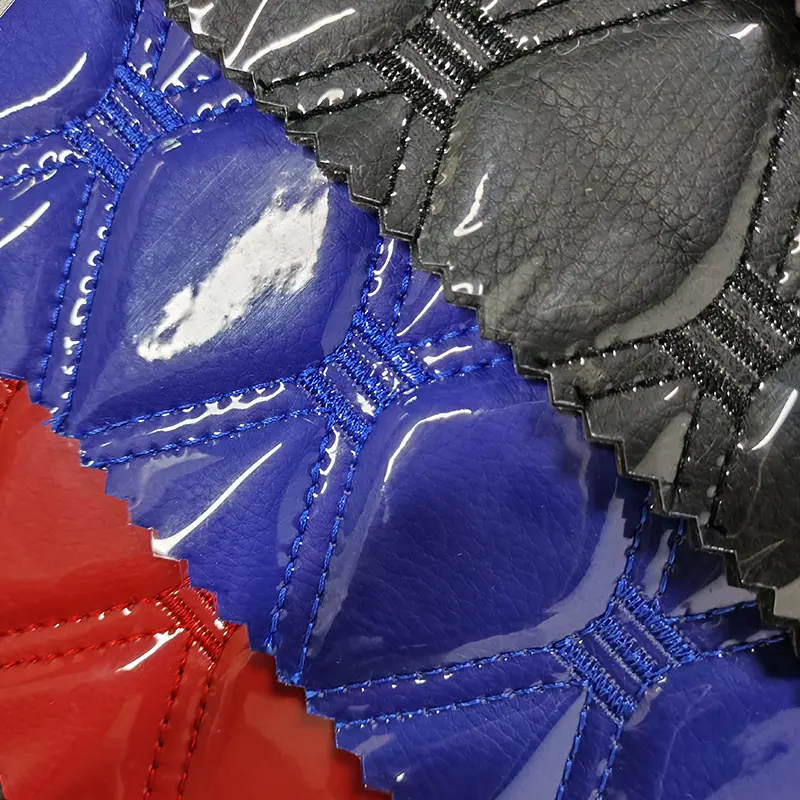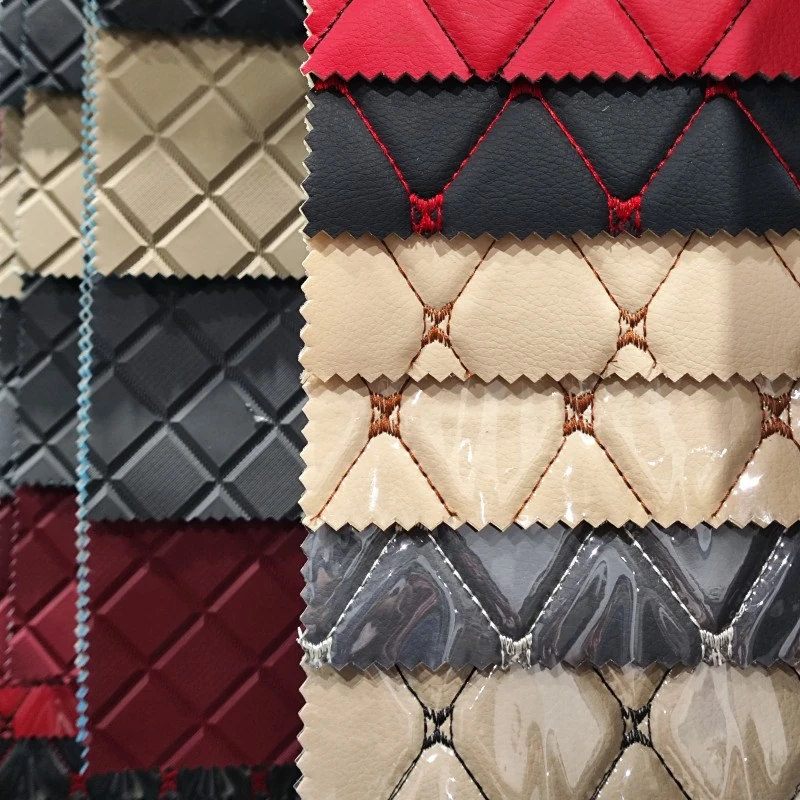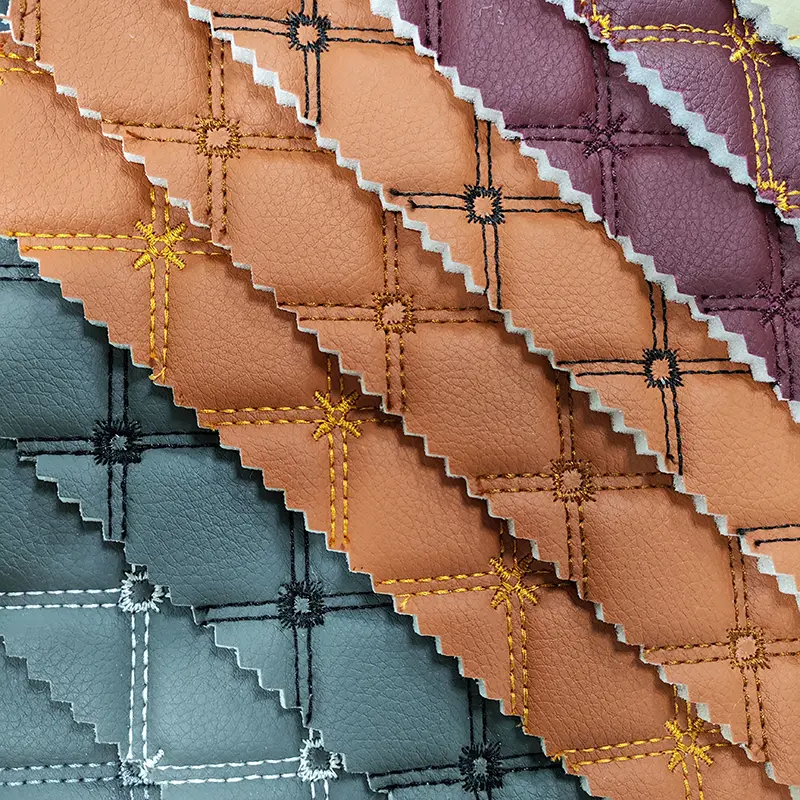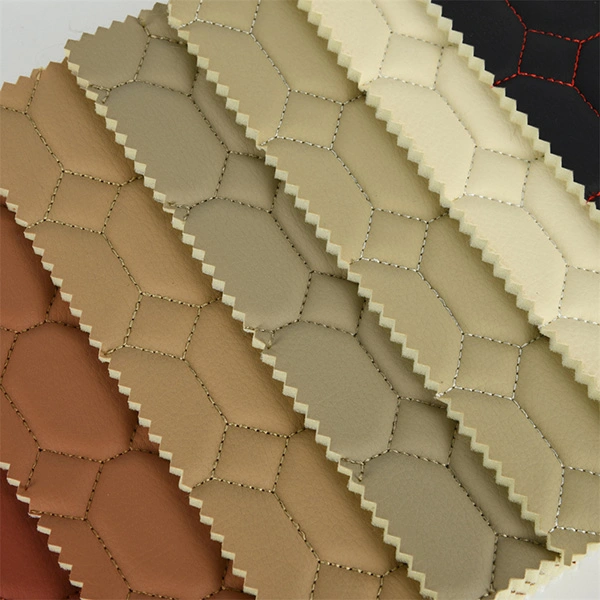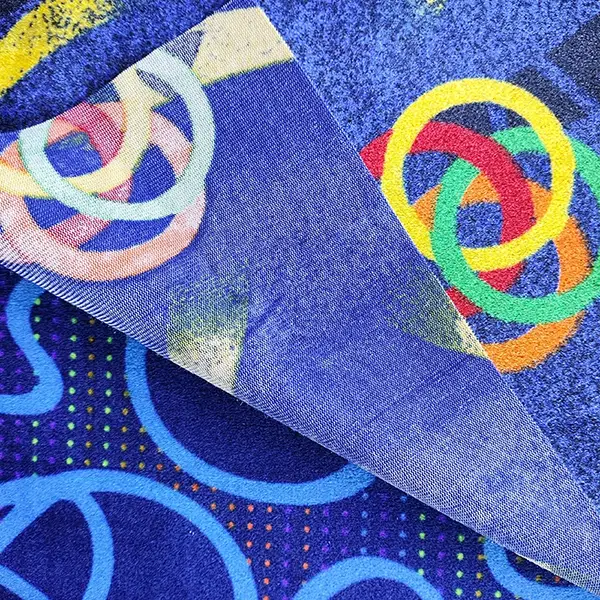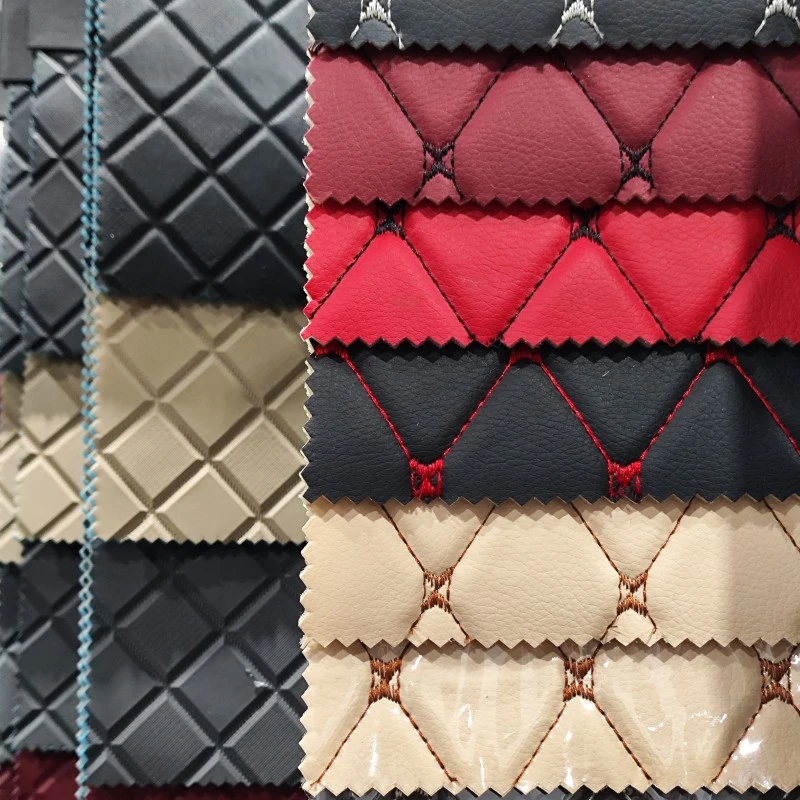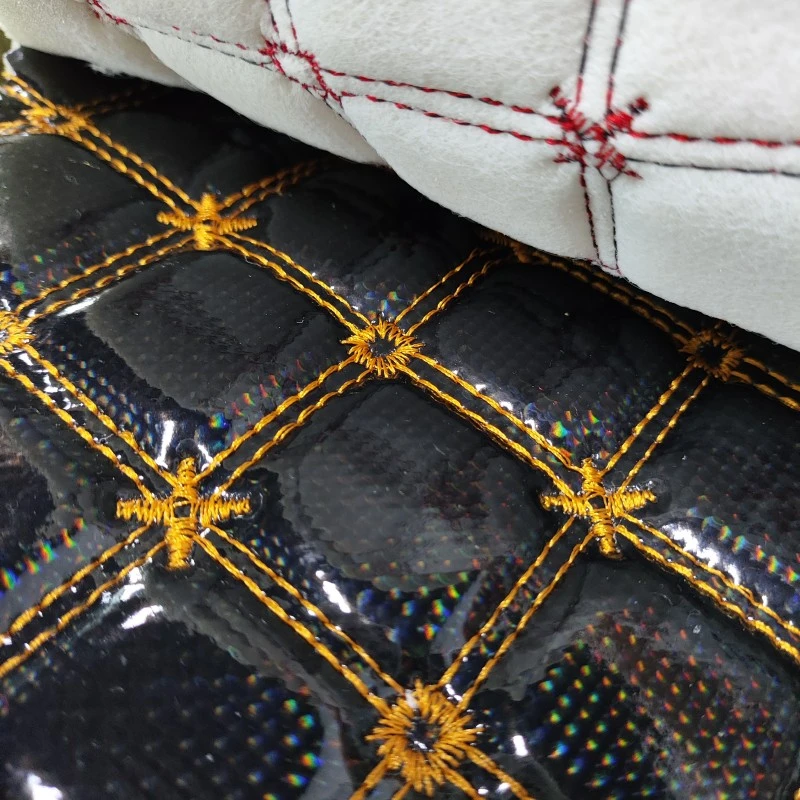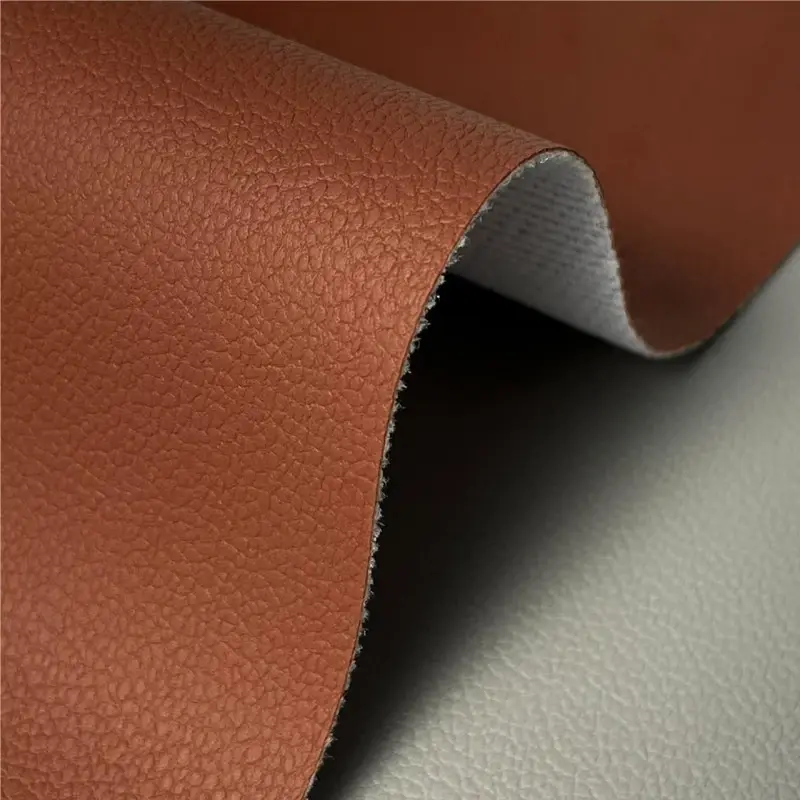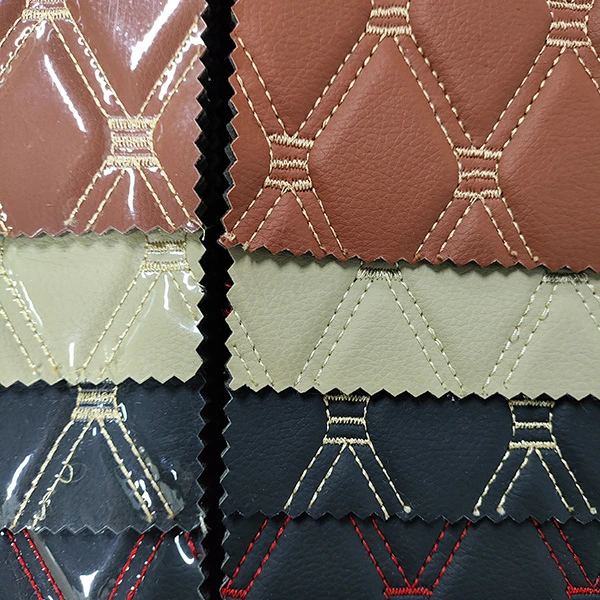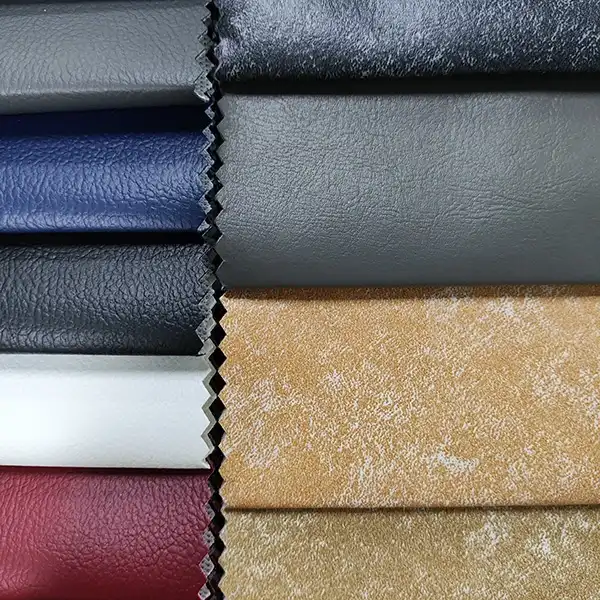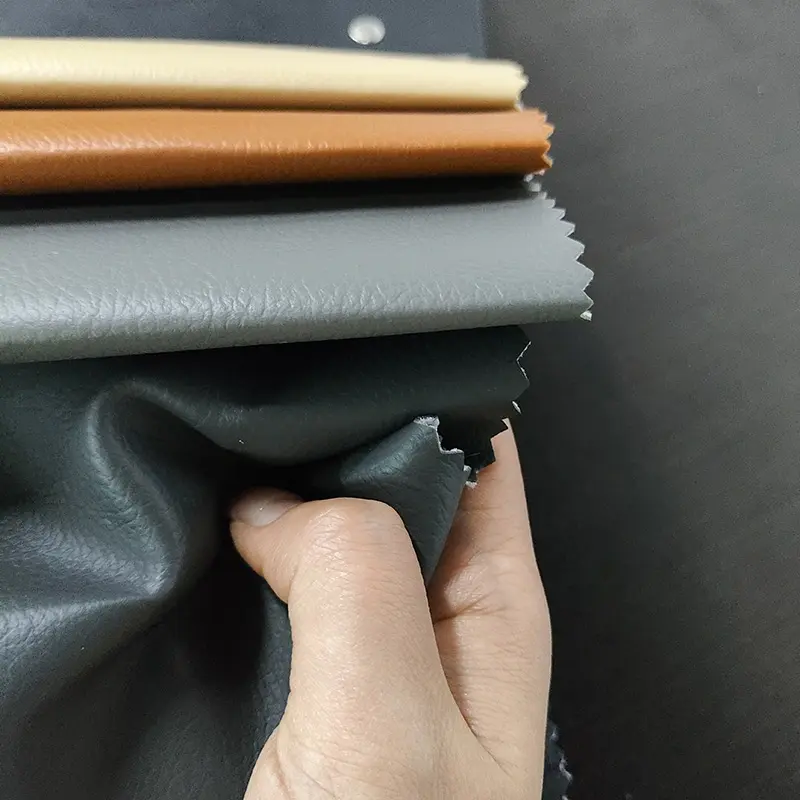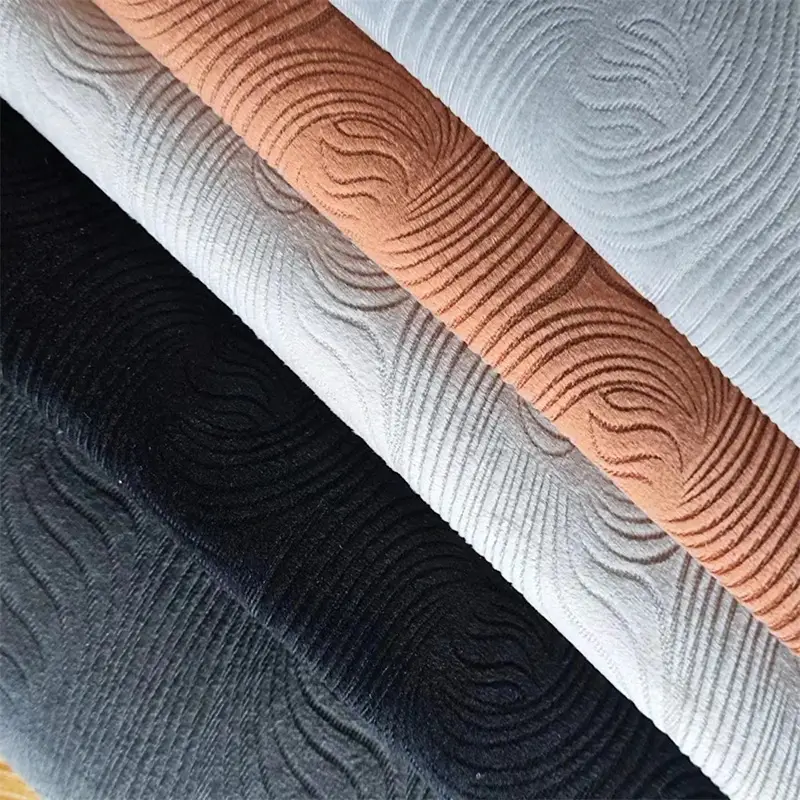
Printing bus fabric refers to specialized textile materials engineered for bus seat upholstery that can be customized with printed graphics, patterns, or branding elements. These fabrics are designed to withstand heavy passenger use, frequent cleaning cycles, and environmental wear while maintaining visual clarity and color vibrancy. As public transportation systems expand and governments emphasize cleaner mobility solutions, bus interiors have become an important space for aesthetic enhancement and brand messaging. Printing bus fabric plays a key role in improving passenger experience, supporting transit identities, and enhancing overall vehicle value.
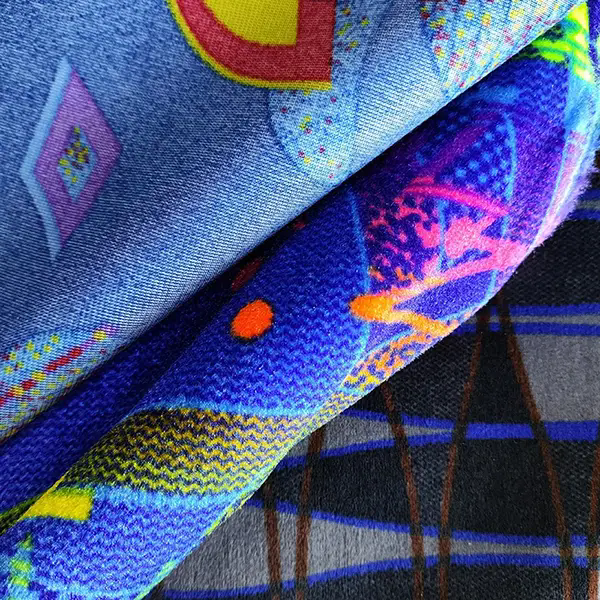
In today’s competitive landscape, transportation operators aim to provide interiors that are durable, visually appealing, and aligned with their brand image. Printing bus fabric supports these objectives by combining visual customization with long-lasting performance. It offers advantages such as stain resistance, colorfastness, high tensile strength, and strong abrasion tolerance. These qualities make it suitable for long-term use in high-traffic environments where comfort, safety, and style all matter.
To provide a clear and professional understanding, below are the technical parameters typically associated with high-quality printing bus fabric:
| Parameter | Specification |
|---|---|
| Material Composition | Polyester / Polyester Blends / Nylon |
| Fabric Weight | 220–450 g/m² |
| Thickness | 0.65–1.2 mm |
| Abrasion Resistance | 30,000–70,000+ cycles |
| Colorfastness to Rubbing | Grade 4–5 |
| Fire Retardancy Options | Complies with FMVSS 302, EN 45545, or other standards |
| Printing Technology | Digital Printing / Transfer Printing / Rotary Printing |
| Stretch & Recovery | Stable, low deformation |
| Anti-Stain Treatment | Optional surface coating |
| Moisture Absorption | Low (designed for quick drying) |
These parameters reflect the technical strength of printing bus fabric and highlight its suitability for mass-transit applications. The first focus of this article is to explain what printing bus fabric is and why it is essential for long-term service within public transportation environments.
The growing popularity of printing bus fabric is driven by several important factors. Modern transit systems prioritize not only functionality but also aesthetic cohesion, passenger comfort, and brand identity. Printed textiles allow operators to incorporate custom patterns, symbols, and color schemes directly into seat upholstery, aligning the interior environment with branding and design standards.
Why is printed textile superior to traditional plain fabric?
Enhanced Branding Flexibility
Transportation companies often seek a distinctive interior theme that reflects reliability, comfort, and professionalism. Printed fabric allows custom motifs, fleet logos, or route-specific designs that strengthen visual recognition.
Improved Passenger Experience
Vibrant and well-designed seating contributes to a more pleasant interior atmosphere. Passengers perceive printed fabrics as more comfortable and modern, improving overall satisfaction.
Higher Durability for Public Use
Printing bus fabric is engineered to resist pilling, fading, and friction damage. Even under intense use, the fabric maintains its structural integrity and appearance for several years.
Cost Efficiency Over Time
Although initial customization increases cost slightly, printed fabrics reduce replacement frequency and maintenance expenses. The ability to standardize color and patterns across a fleet also simplifies future upholstery refurbishment.
Compliance With Safety Standards
Many printing bus fabrics are produced with flame-retardant treatments and comply with global safety norms. This ensures that the fabric meets strict transportation requirements.
Compatibility With Modern Printing Technologies
Digital printing, rotary printing, and heat transfer printing enable high-resolution graphics, color consistency, and precise pattern reproduction. This eliminates the variations seen in older textile printing methods.
The global transportation industry is evolving rapidly, and the demand for visual identity and durability is stronger than ever. These are the key reasons why printing bus fabric is gaining prominence and is selected by operators worldwide.
Understanding how printing bus fabric functions from production to application is crucial for operators seeking the best-performing upholstery materials.
Manufacturers typically follow these stages:
Fiber Selection
Polyester or nylon fibers are chosen for their strength, abrasion resistance, and low moisture absorption.
Weaving or Knitting
The base fabric is woven into a dense structure that can withstand high passenger volume.
Surface Treatment
Adding anti-stain, anti-static, or flame-resistant coatings enhances durability.
Printing Process
Using digital, rotary, or transfer printing, graphic designs are applied with precision.
Fixation and Finishing
Heat treatment locks in colorfastness, followed by quality testing for strength, washability, and safety compliance.
The fabric is cut, sewn, and fitted onto bus seats, often supported by foam padding. Operators choose patterns that align with their branding strategy. The fabric’s high tensile strength ensures stability even under constant pressure.
Proper maintenance extends the service life of bus upholstery:
Clean regularly using mild detergents.
Avoid harsh chemicals that may damage the print.
Use vacuum cleaning to remove dust and debris.
Perform periodic inspections for early signs of wear.
Replace seat covers in batches to maintain consistent interior appearance.
These steps highlight how the fabric’s long-term performance is protected, ensuring both functionality and visual quality throughout years of service.
The future of bus interior textiles is shaped by growing environmental awareness, urban mobility expansion, and rapid advancements in textile technology. Several important trends are emerging:
Manufacturers are adopting recycled polyester and low-impact dyes to reduce environmental footprints. Sustainability will become a priority for fleet operators and city transit planners.
Digital printing continues to evolve, offering sharper resolution, chemical-free pigment systems, and color calibration that maintains consistency across large orders.
Public health awareness has driven demand for fabrics that resist bacterial growth. This trend enhances hygiene in enclosed transportation environments.
Future designs may include improved airflow fabrics and ergonomic cushioning to elevate passenger comfort on long-distance routes.
City branding is now incorporated directly into fabric patterns, making each bus fleet visually unique and culturally relevant.
These trends demonstrate the shift toward sustainability, comfort, and innovation within the bus upholstery industry. The continuous improvement of textile printing technologies is expected to make printing bus fabrics more durable, environmentally friendly, and visually refined in the coming years.
Q1: What makes printing bus fabric different from ordinary upholstery fabric?
A: Printing bus fabric is engineered specifically for high-traffic transportation environments. It offers superior abrasion resistance, flame-retardant properties, and strong colorfastness. The fabric is produced using specialized weaving structures and high-resolution printing technologies to ensure long-term durability and visual consistency. Ordinary upholstery fabric does not typically meet the demanding safety, strength, and longevity requirements of public transportation.
Q2: How long does printing bus fabric typically last in daily bus operations?
A: The lifespan depends on usage intensity, maintenance quality, and environmental factors. On average, high-grade printing bus fabric lasts between 5 to 8 years under normal transit conditions. Fabrics with enhanced abrasion resistance, protective coatings, or flame-retardant treatments may offer even longer performance. Proper cleaning routines significantly extend durability and preserve print clarity.
Printing bus fabric is becoming an essential component in modern transportation systems due to its durability, branding flexibility, and ability to enhance passenger experience. By offering high-performance characteristics such as abrasion resistance, flame retardancy, customizable printing, and long-term stability, it plays a critical role in both aesthetic and functional aspects of bus interiors. As the industry moves toward sustainability and advanced digital printing technologies, the future of bus upholstery fabrics will continue to evolve with improved performance and greater customization.
Most Textile provides high-quality printing bus fabric solutions designed to meet the needs of modern transportation operators. For professional inquiries or to discuss customized upholstery solutions, contact us for further information.